If you’re thinking about sleeping in a World War II bunker, here’s how our night went. We’d spent about ten days traveling around western Europe, checking out World War II spots on my dad’s bucket list, when we booked a real Maginot Line bunker in France, near the Luxembourg border, for one night. He had no idea where we were staying. Here’s what the bunker was like, and what you’d be signing up for if you booked one yourself.
This article contains affiliate links. If you book or buy through one, I may earn a commission at no extra cost to you.
The short answer: a memorable night, best with two
Sleeping in the bunker was memorable and relatively comfortable. We had a comfy bed and a quiet night, but the place was chilly when we arrived, and there was no running water or refrigerator. If we did it again, we’d give ourselves two nights rather than one. It’s a good fit if you want the bunker experience and can live with a bathroom that works a little differently.
First, we had to get through the door
We unlocked the gate and pulled in, and my dad still hadn’t seen the place. Once he’d been told it was a bunker and part of the Maginot Line, he said he was very surprised. The welcome came with a joke: hope you brought your own rations, because nobody’s ever breached the Maginot Line. (That was a joke, not history; German forces went around the line, as covered below.)
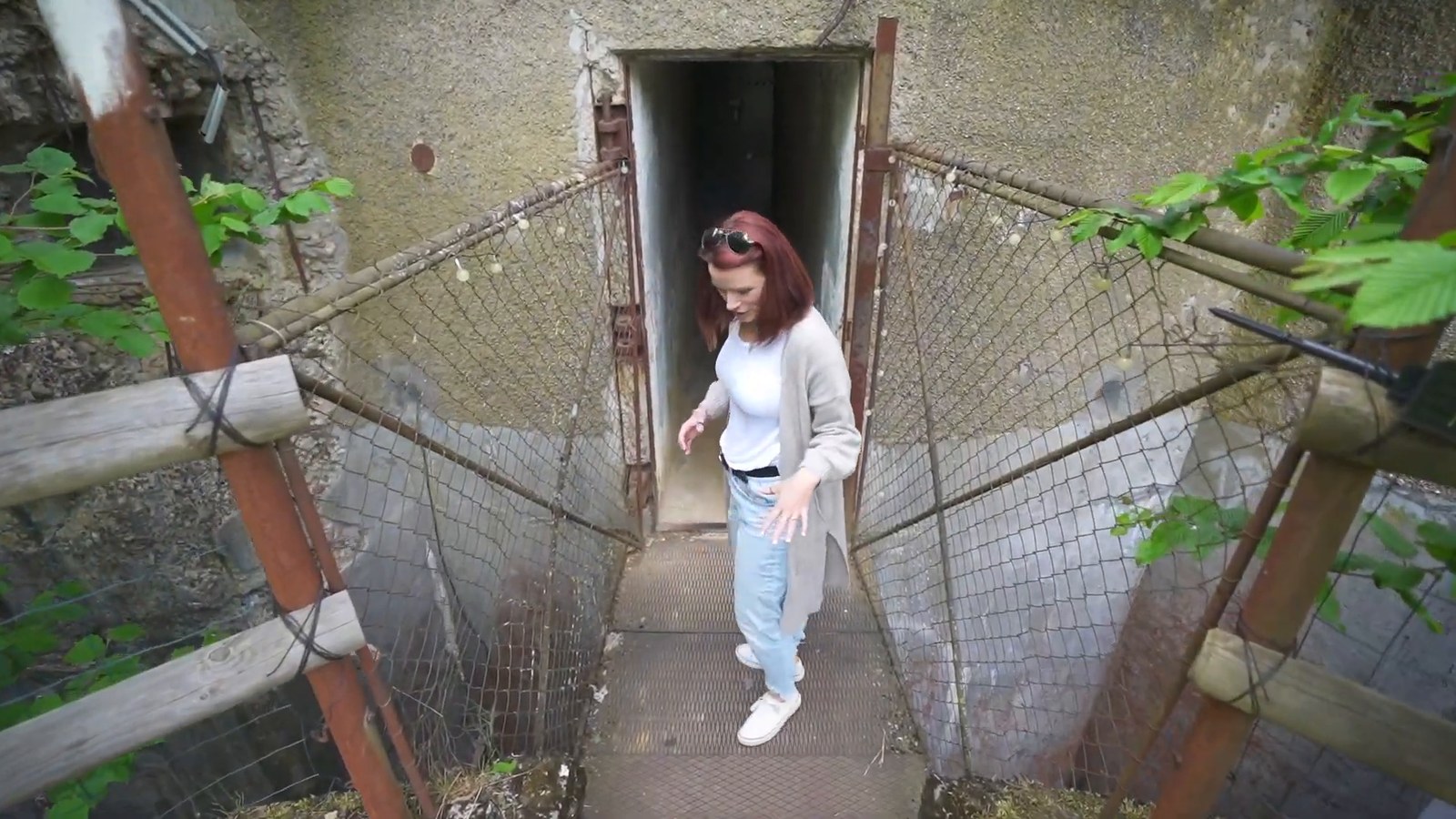
A moat surrounded the bunker, and the approach ran past rusted fences we took to be original. The narrow, rusted entrance was a little creepy, though the original look was actually cool. At the end was a very heavy door that worked on a combination lock. It weighed about 100 pounds, we guessed, and opening it took leverage. In front of it sat a welcome mat, which we found very funny.
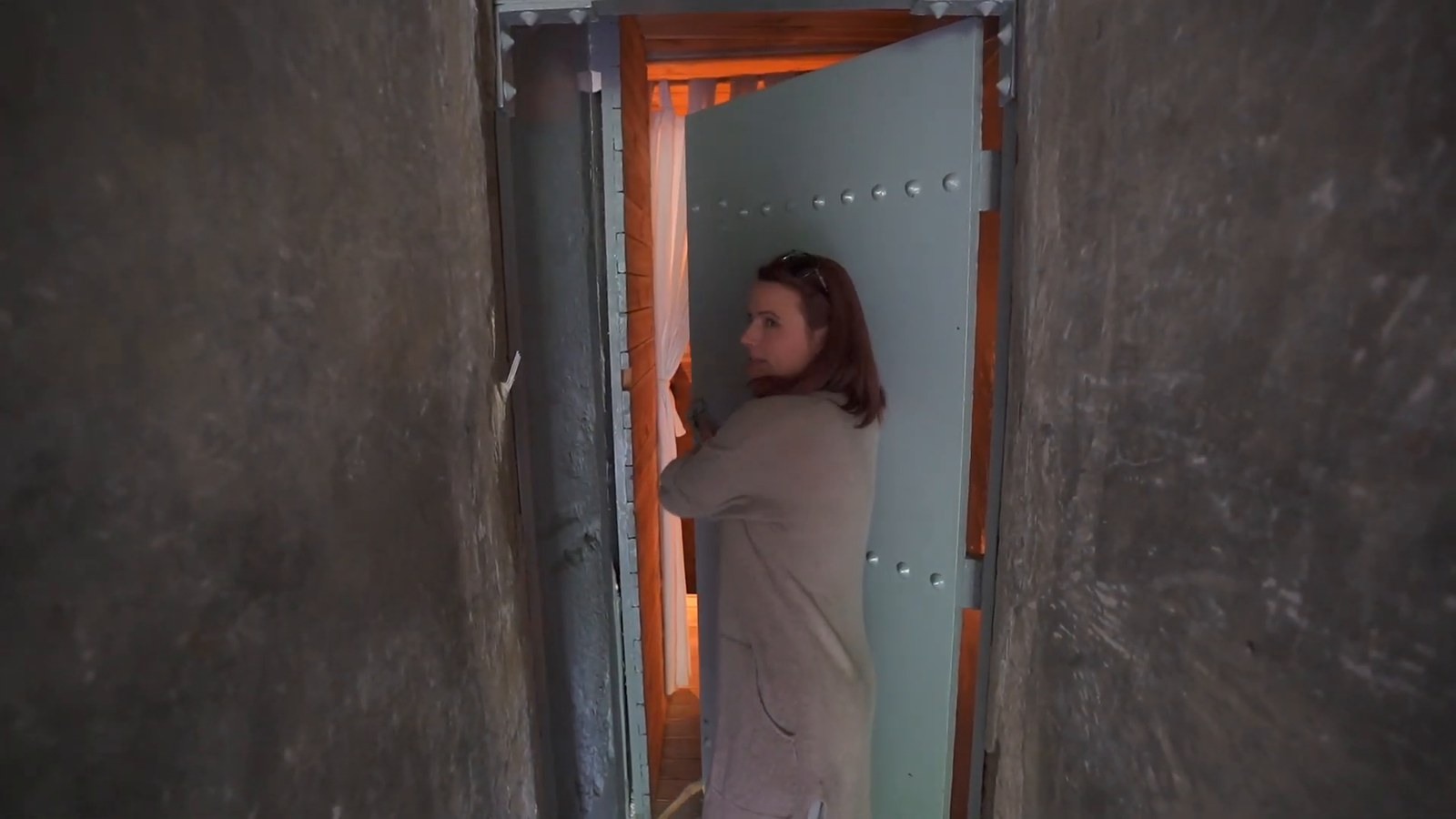
Inside, it was really chilly, even in May, thanks to all that thick concrete.
The kitchen has solar power, but no running water
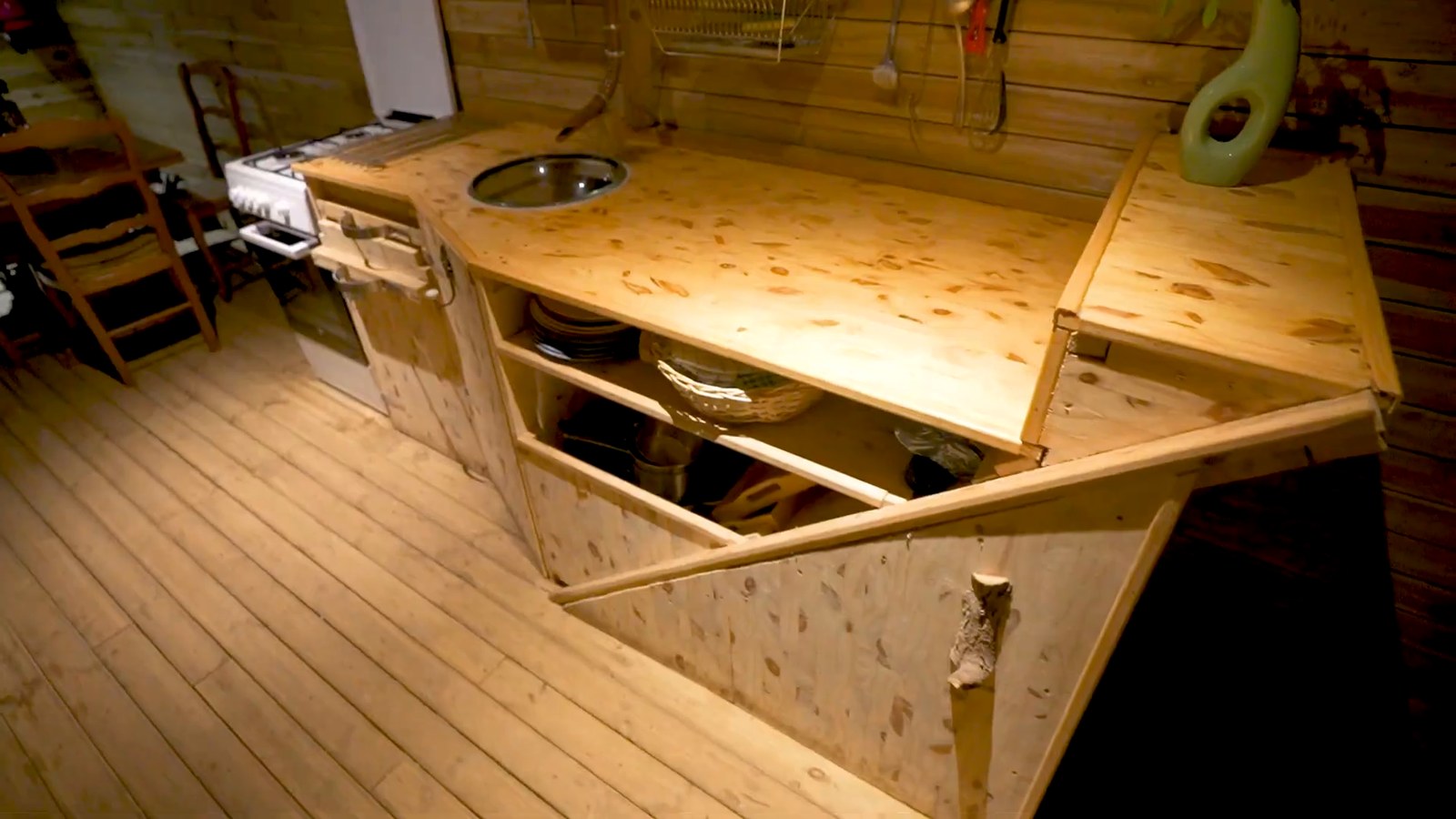
The living space was much homier than the entrance suggested. Wood paneling covered the interior, so it didn’t really feel like a bunker in there, which we appreciated. Just inside was a functional kitchen with a propane stove, a small oven, a sink, spices and glasses, plus a place to sit and eat.
The sink had no running water, but there was a full jug for our water needs, which was no big deal for one night. There was also no refrigerator: the bunker ran on solar power, and a fridge would use too much of it. Four small solar panels on the roof powered the lights and the places to charge things, including a plug box that handled our pile of camera gear—so we had power, just no fridge.
A wood-burning stove stood on the other side of the room, with wood outside. Given how cold it felt, we figured we might light it later; we never got around to it.
Real windows, roomy bedrooms and a few bugs
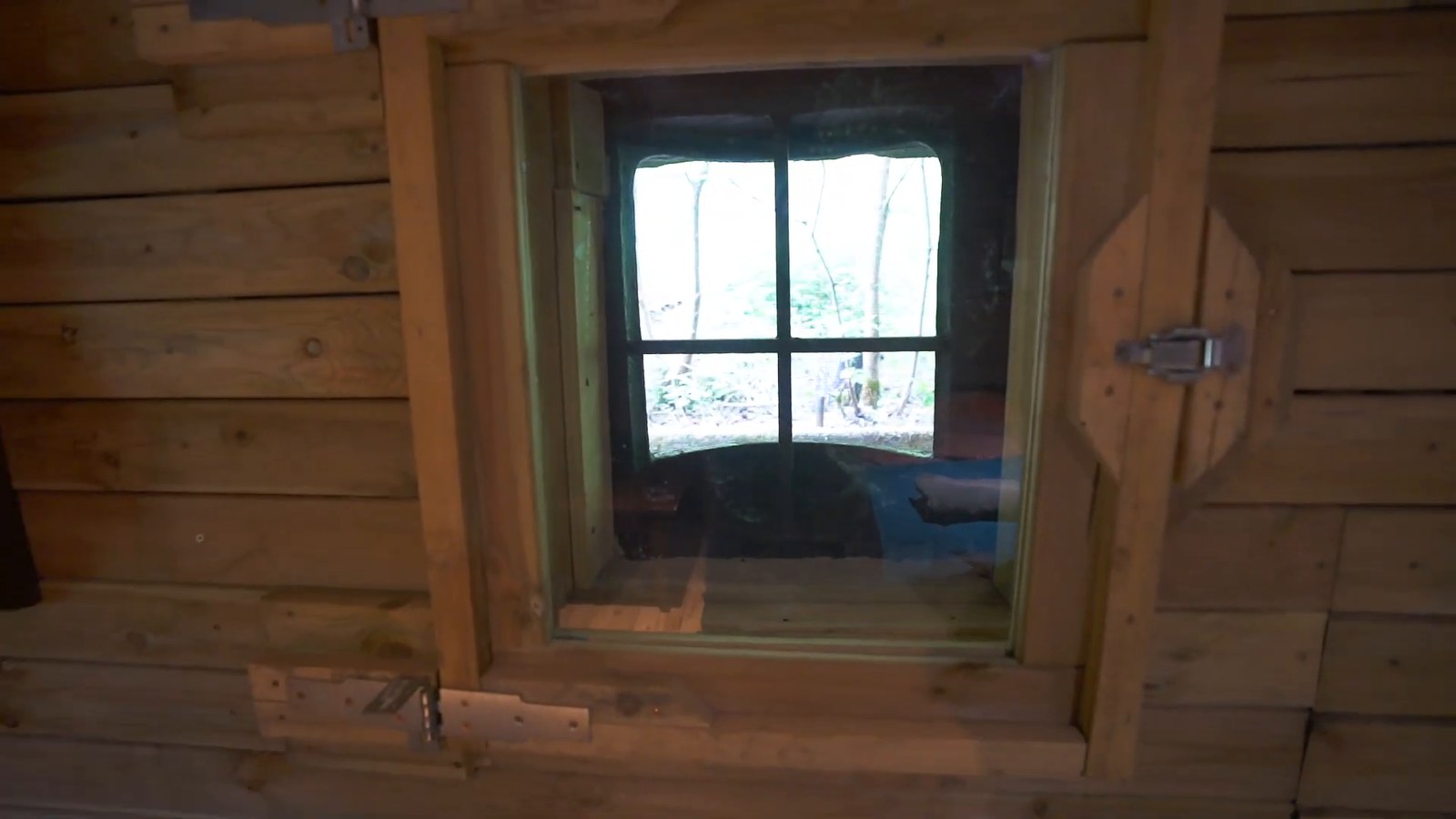
The first bedroom surprised us with windows. They were fitted into old openings that we thought might have been for guns, letting in light so the room didn’t feel too claustrophobic. The windows latched and could be opened for a cross breeze, though we didn’t need one just then. Each bedroom had a small propane heater, and there were books and board games around for passing the time.
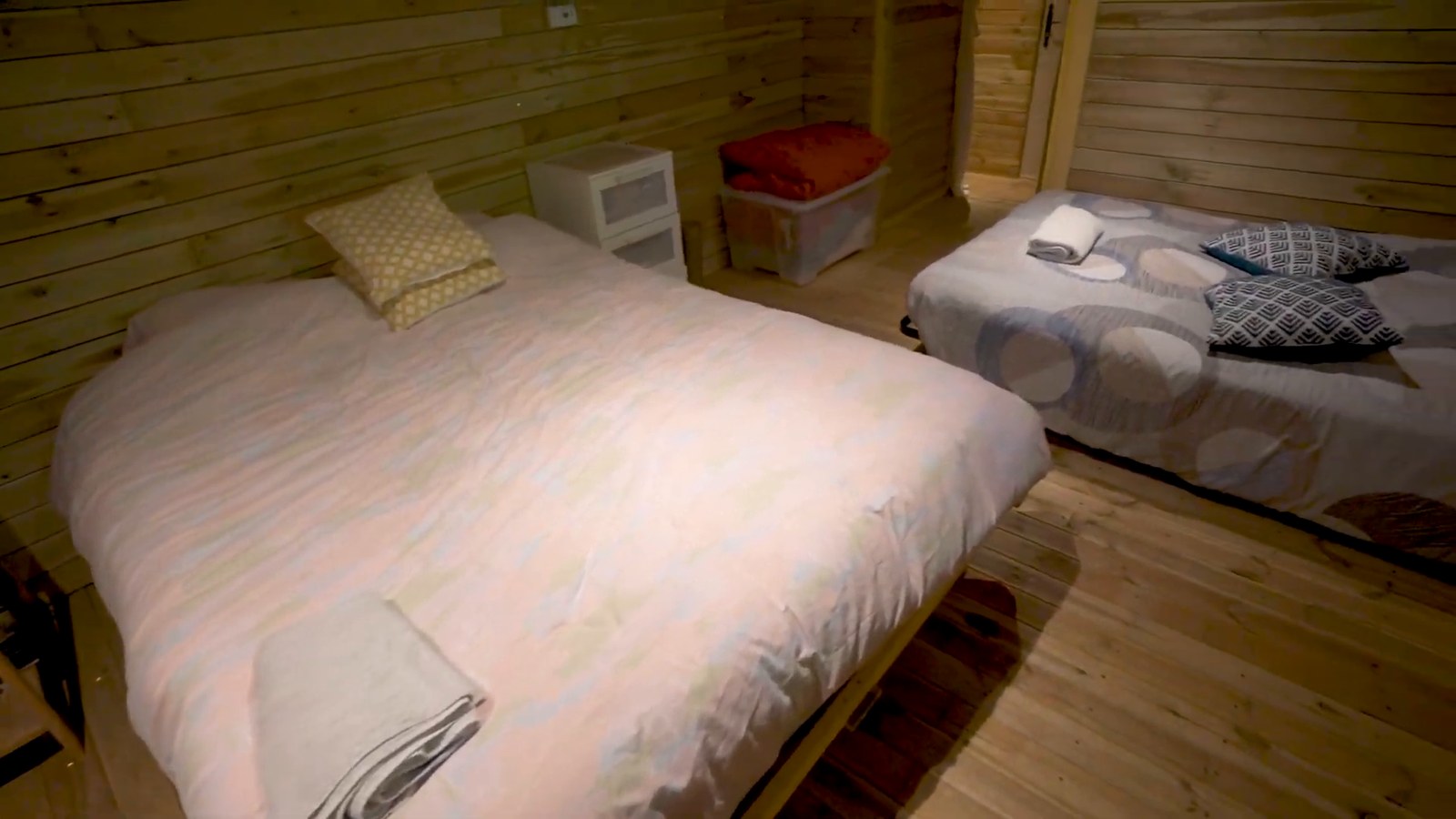
The second bedroom had two beds and felt roomy, with an original steel beam and a section left without wood paneling. We believe a big gun once hung from the beam. We guessed the bunker could fit about six people altogether. That room also had a few bugs: the place is a little open to the elements.
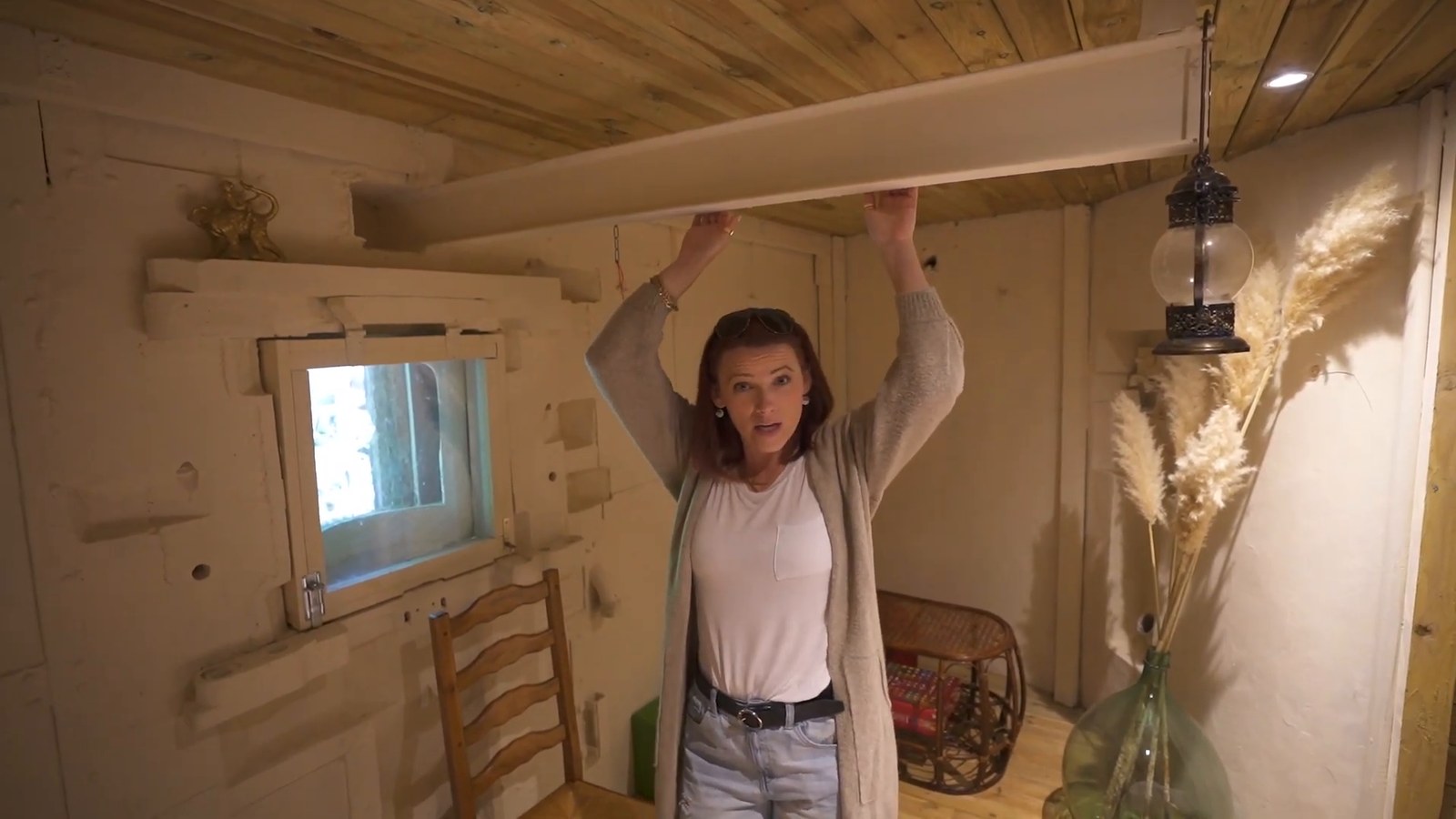
A storage room showed what the bunker looked like before the paneling: still largely original, with metal coming through the concrete and an old window. It was pretty wild to see, and a little creepy, so we were glad the rest had been made to look more like a home.
The bathroom is functional, not conventional
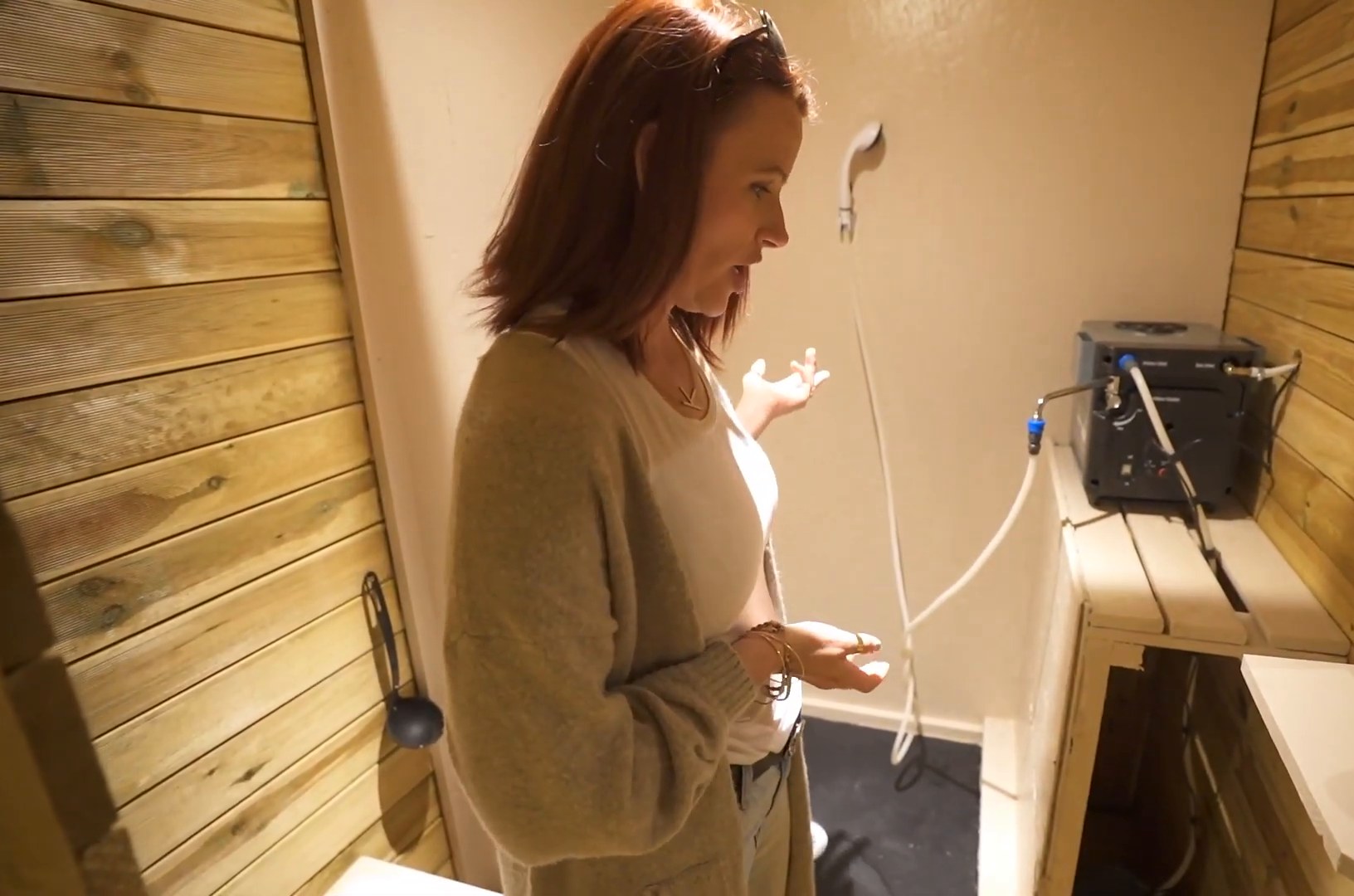
Yes, there was an indoor bathroom. Without running water, though, it wasn’t a standard one. The marine toilet used sawdust: after using it, you sprinkled sawdust over it. There was also a shower with a small water heater, set up for an army-style wash—get wet, soap up, rinse off. Towels and toilet paper were there for us. It was functional, but if you need a conventional bathroom, this is the part to read twice before you book.
Outside the bunker—and a little Maginot Line context
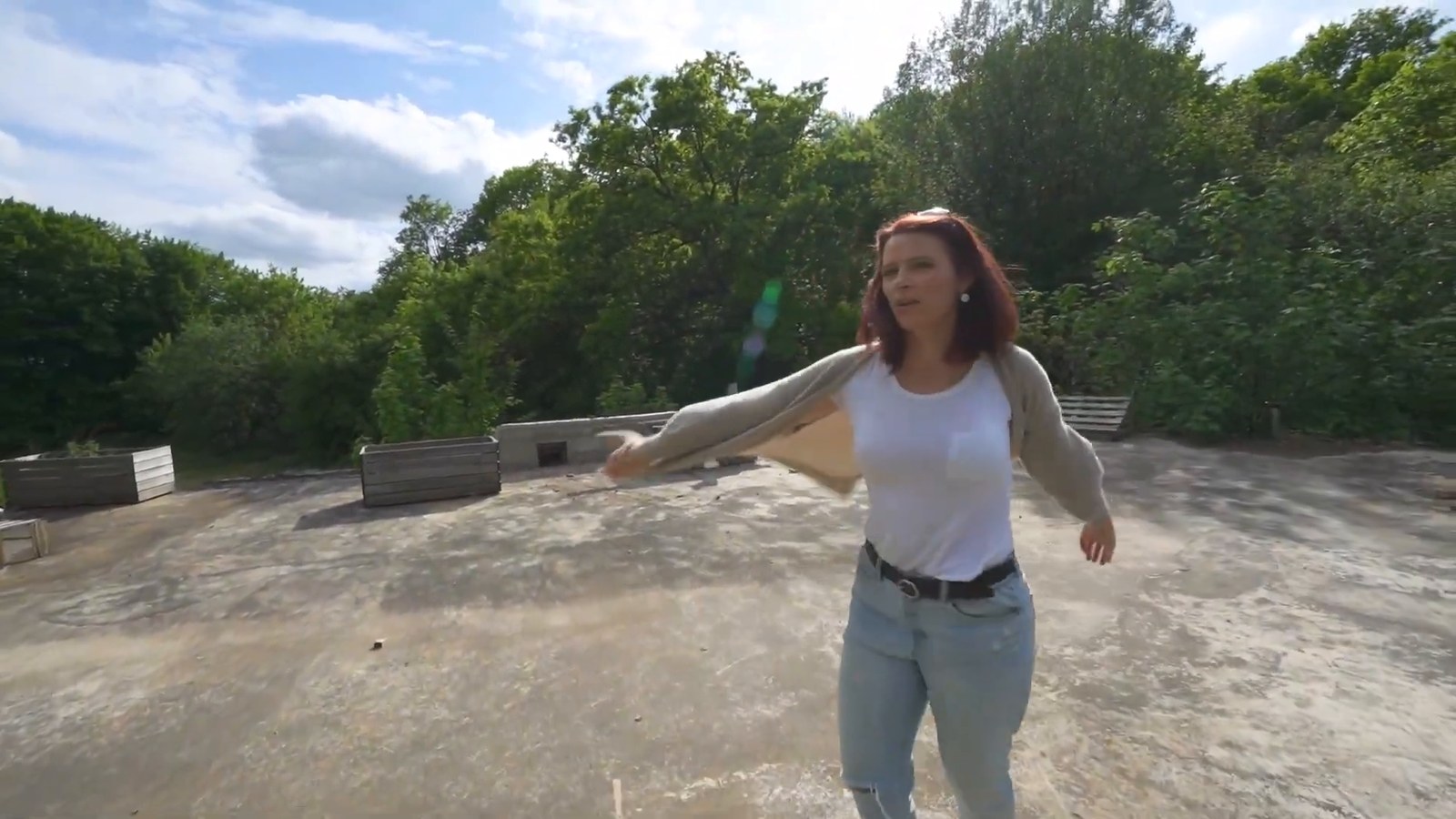
Beside the bunker was a bar area, a fire pit and a large wood-burning stove we thought could be used for cooking. We could also walk up onto the roof, where the solar panels powered the lights and outlets below. It was a cool spot in the woods, and we understood there were hiking trails around it.
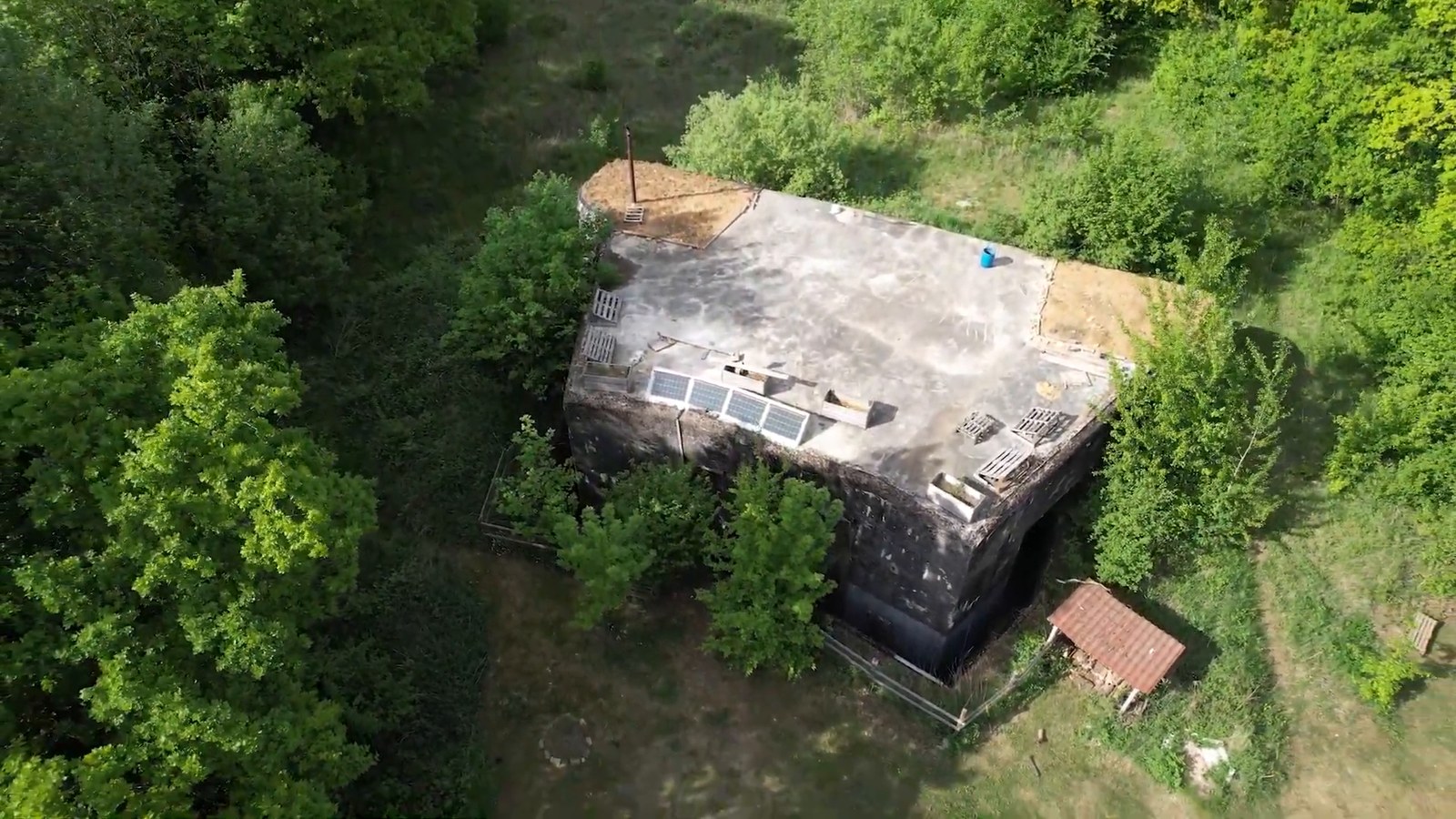
According to Wikipedia’s Maginot Line overview, the line was a system of French fortifications, obstacles and observation posts built in the years before World War II along borders including Germany and Luxembourg. During World War II, German forces largely bypassed it by invading through the Netherlands, Belgium and Luxembourg.
Dinner involved another country
When we booked, we’d considered cooking dinner at the bunker, but that never happened. The Luxembourg border was about 15 minutes away, so we crossed it for dinner at an Argentinian steakhouse, our fifth country of the trip, then went back to France to sleep.
How we slept, and whether one night was enough
Back at the bunker, we settled in and slept pretty well. The bed was comfy, it was quiet, and we woke to birds chirping. After how cold the place had felt on arrival, the morning surprise was getting too warm under all the blankets.
Even before coffee, there was a joke: it was “time to get debunked.”
Is a bunker stay for you?
If sleeping somewhere with real World War II history is the appeal, this was worth the oddities for us. Here’s what to know before you book, based on our stay:
- Booking: We found ours on Airbnb, about 15 minutes from the Luxembourg border. Listings and setups vary, so read the specific listing for its current amenities, heating and availability.
- Space: We saw two bedrooms, one with two beds, and we guessed the bunker could fit about six people.
- Water and bathroom: There was no running water, but there was a full jug. The toilet was a sawdust marine toilet indoors, the shower had a small water heater, and towels and toilet paper were provided.
- Power and food: The solar panels ran the lights and charging spots, including a plug box for phones and camera gear, but there was no fridge. There was a propane stove, a small oven, spices and glasses. If you plan to cook, bring food that doesn’t need refrigeration; we ate out.
- Warmth: It was chilly inside even in May. Each bedroom had a small propane heater and there was a wood-burning stove, so pack warm layers. By morning, we were too warm under all the blankets.
- Extras: There were board games and books, we understood there were hiking trails nearby, and the second bedroom had a few bugs.
It was a relatively comfortable night, and a special experience to be able to say we’d slept in a Maginot Line bunker.
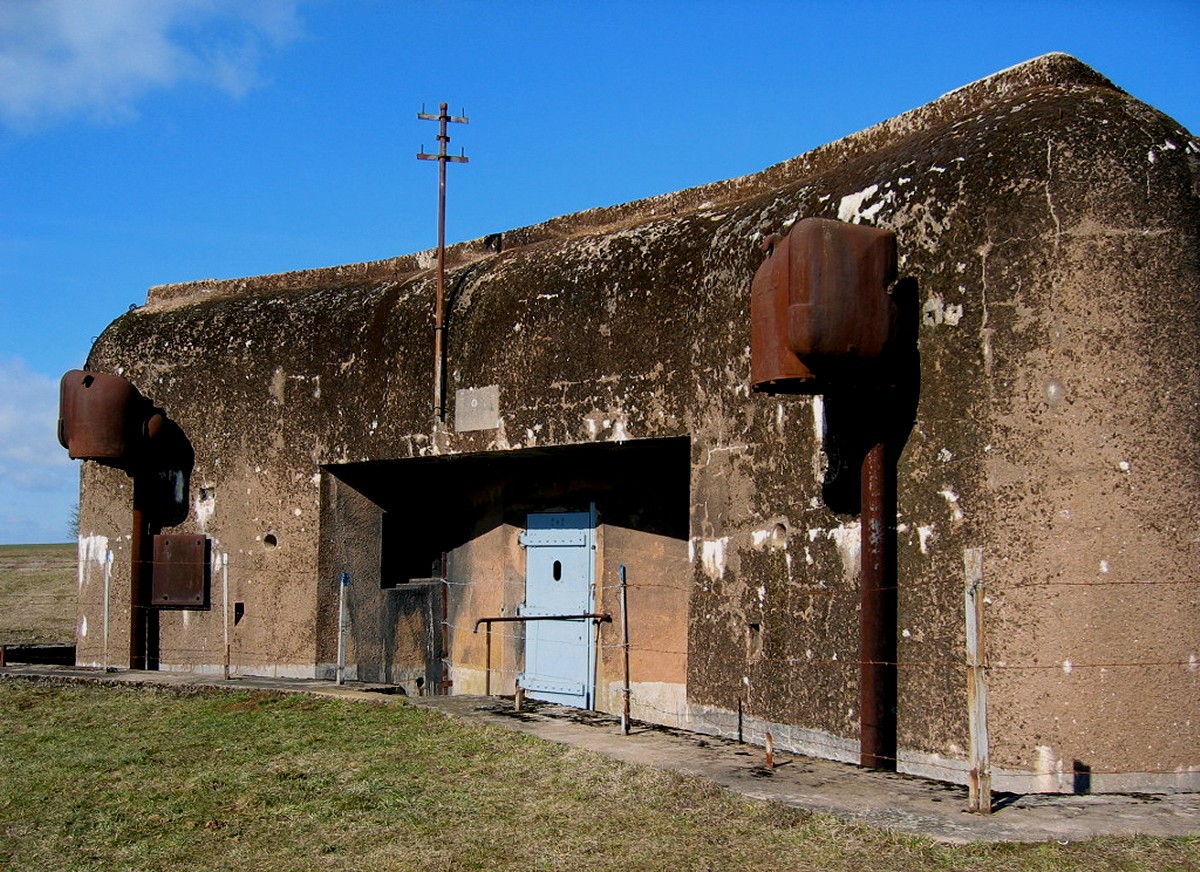
Image credits: the photo of the casemate near the top is by Michel Teiten, licensed Creative Commons Attribution, via Wikimedia Commons (source). The featured image is by matthiashn, licensed CC BY 2.0, via Wikimedia Commons (source); both show other Maginot Line sites, not the bunker we stayed in. The other photos are stills from our own video of this stay.
