You can’t drive yourself very far into Denali National Park. Past the first 15 miles of the park road, you need to be on a bus, a bike or your own two feet, so almost everyone ends up asking the same question we did: is the Denali bus tour worth it, or should you save money and take the plain green transit bus?
Kevin and I rode the narrated Tundra Wilderness Tour at the very end of August 2021, in the same month a landslide at a spot called Pretty Rocks cut the road short. We paid for our own tickets. We also know this corner of Alaska better than most visitors: we met working a summer season at a lodge near Denali State Park, and our 2021 trip was our first time back in eight years. Below is our honest verdict, what the tour was actually like, and what has changed since, checked against the National Park Service in September 2026.
This article contains affiliate links. If you book or buy through one, I may earn a commission at no extra cost to you.
The short answer
Yes, the Tundra Wilderness Tour is worth it for most first-time visitors, as long as you go in with the right expectations. It’s the easiest way to see the heart of the park with someone explaining what you’re looking at, and the driver’s zoom camera brought distant animals up close. It isn’t cheap, and a transit bus covers the same stretch of road for much less.
- Book the narrated tour if it’s your first visit, you only have a day or two, and you want a guide, commentary and a comfortable seat without planning anything.
- Take a transit bus if you want to get off and hike, you’re on a budget, or you don’t care about narration. The views and the wildlife are the same.
- Skip the buses and drive the first 15 miles if you’re short on time or money. We did this the same evening and saw about four moose.
- Know the current limit: for the whole 2026 season, every bus turns around at Mile 43, about the same point where ours turned around in 2021. The National Park Service expects the longer route to return in 2027.
Denali’s buses right now (2026 and 2027)
Our ride was in 2021, so here is what the National Park Service says about the park road today. We checked these official pages in September 2026:
- Buses go no farther than Mile 43 (East Fork) in 2026. The Pretty Rocks landslide near Mile 45 closed the road in August 2021. A new bridge over the slide was finished in early September 2026, but buses will stay at East Fork for the rest of the 2026 season. The NPS expects full bus service to resume in 2027.
- The Tundra Wilderness Tour currently runs 5 to 5.5 hours and goes to the Murie Cabin near the East Fork River at Mile 43, according to the NPS bus tours page. Tour lengths and turnaround points may change once the west end reopens.
- The park doesn’t run the buses. Tours and transit buses are sold by the park’s concessioner, Doyon/Aramark Joint Venture. The NPS says reservations open as early as December 1 of the year before your trip.
- Private cars can drive only to Savage River (Mile 15) in summer. The fall road lottery that used to let a few drivers go farther is suspended for the foreseeable future.
- Buses run in summer only, from mid-May to mid-September.
We haven’t quoted ticket prices anywhere in this article, because they change every year. Check the current fares with the concessioner before you decide.
What the Tundra Wilderness Tour was actually like
We didn’t set out to book the narrated tour. We wanted the cheaper transit bus, but the transit buses were sold out, and even at the end of the summer there was barely any availability on anything. We got two seats on the Tundra Wilderness Tour, and it turned out to be a good day. Here’s how it went:
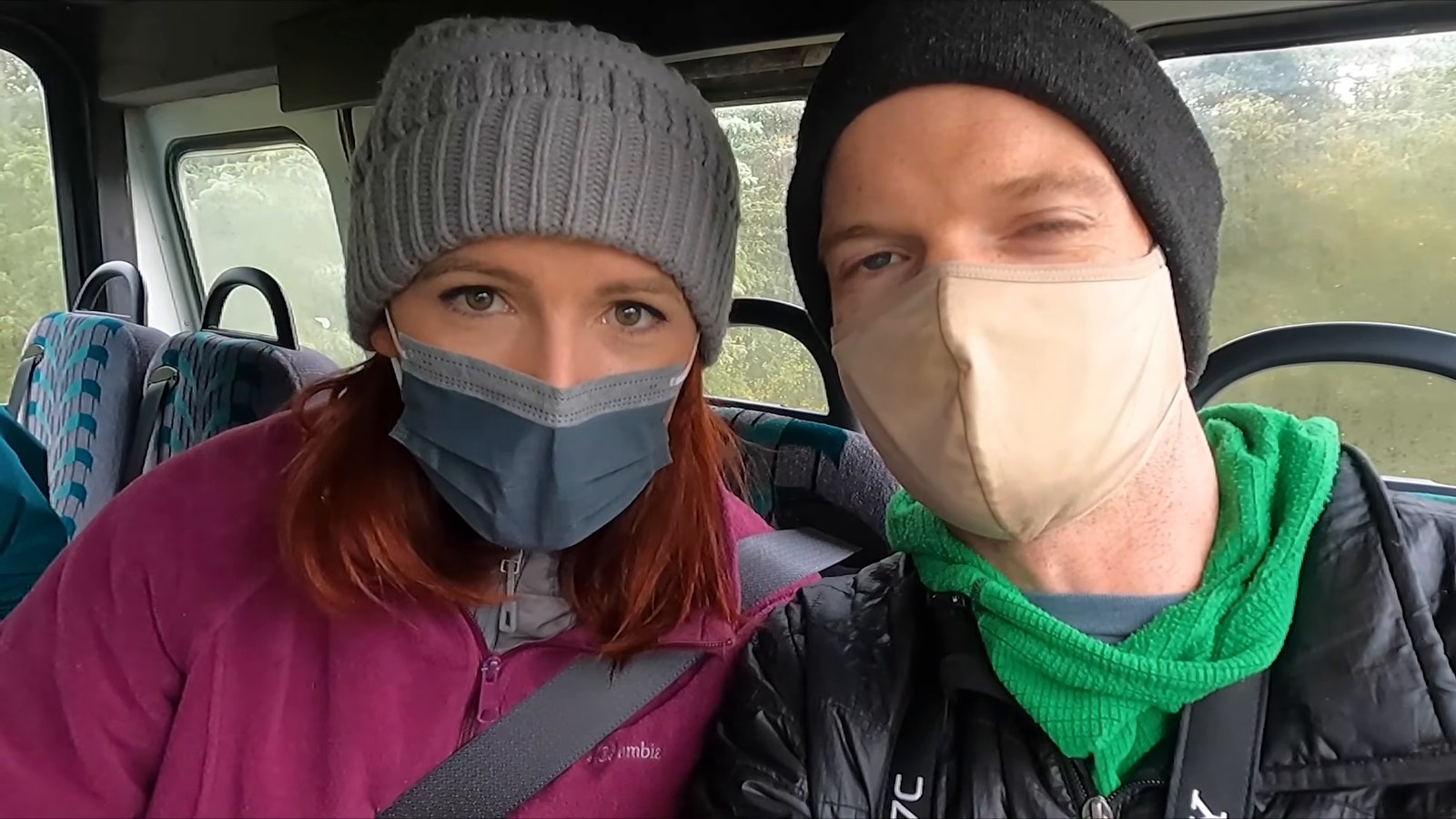
- The start: the bus left from the Denali Bus Depot, where there was a coffee shop, which mattered because it’s a long day. Our cabin was about 15 minutes south of the park entrance.
- The driver: tour drivers are driver-naturalists who narrate the whole way, and ours was great. He told us things we didn’t know, like the fact that the park’s interior has no established hiking trails, so you’re allowed to walk wherever you want, and that in winter the rangers get around the park by dog sled.
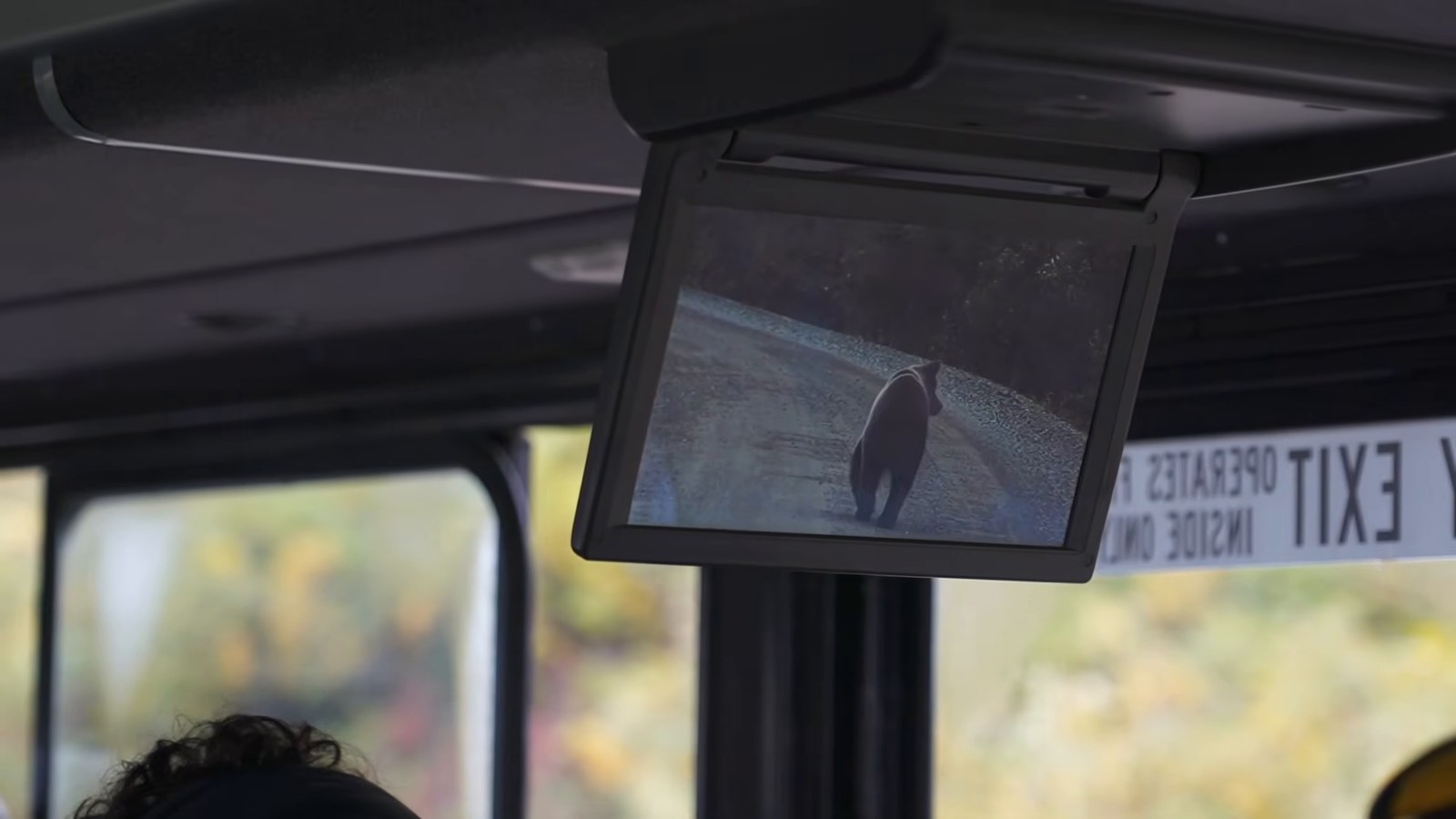
- The screens: when the driver spotted an animal, he zoomed in with a camera and put the picture on little screens inside the bus. If you don’t have binoculars or a big lens, this is a real advantage of the tour bus.
- Snacks: you get a small Denali tote bag with snacks (ours had chips, a cookie and two granola bars), plus water.
- The road: the first part is paved, and then it turns to gravel. Our first rest stop came after about an hour and a half, at a stop with plenty of toilets, a viewpoint and some information boards.
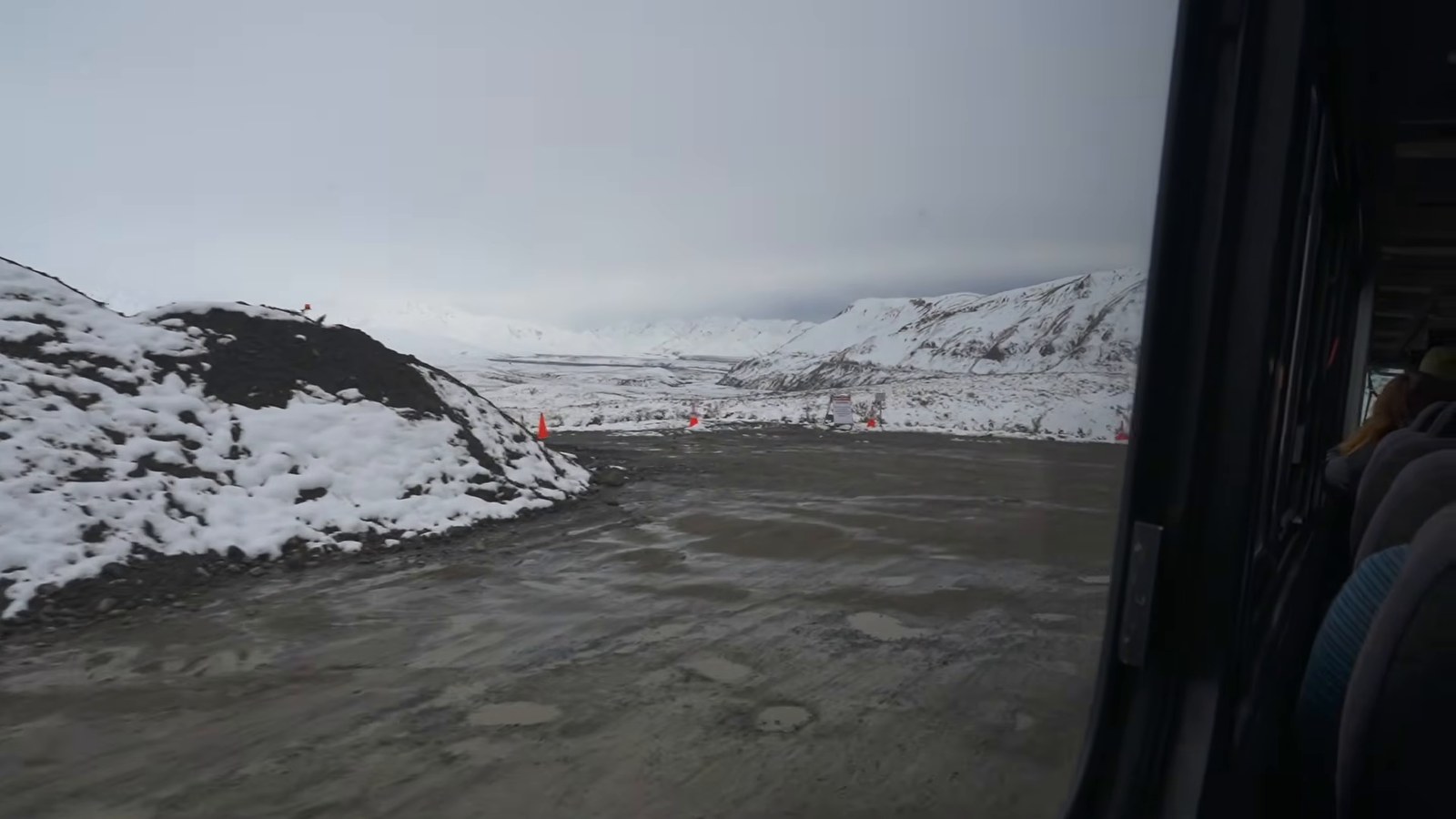
- The weather: it had snowed a few days earlier, and there was snow on the ground even though it wasn’t quite September yet. It felt like it was in the 40s. Summer seemed to be over in Denali.
- The turnaround: because of the landslide, we turned around at about Mile 42, missing about 20 miles of the normal tour. The whole trip took about five hours instead of the seven or eight our tour would normally have taken, and the fare was prorated, so we paid less than full price.
The seats were more comfortable than on the transit buses, but don’t picture a luxury coach. It’s still basically a converted school bus, and it can be drafty.
What we saw, and what we didn’t
Wildlife is the reason most people ride these buses, and no one can promise you any. The NPS is clear that sightings are not guaranteed. Here’s what we saw:
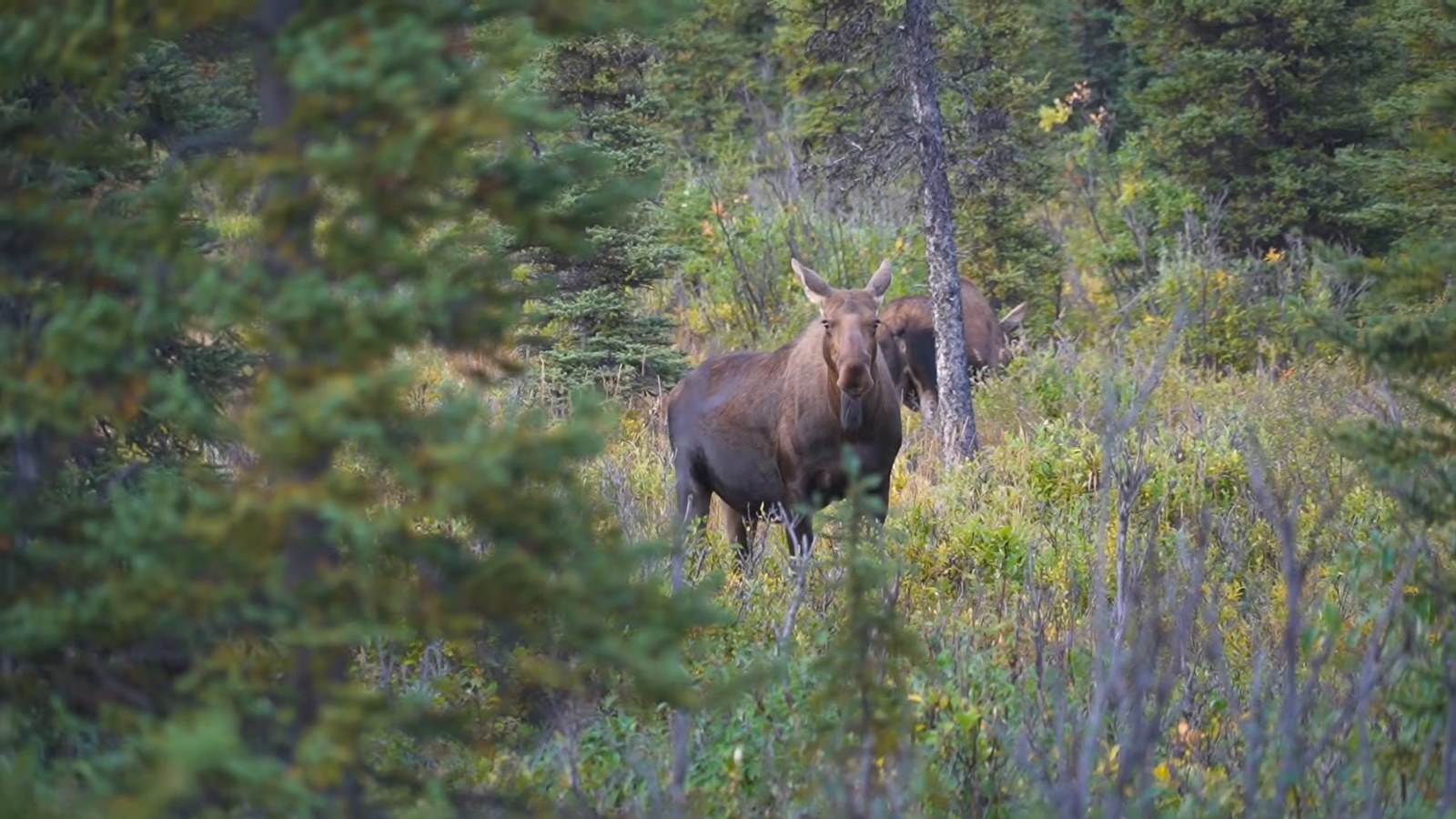
- Moose, right away. We spotted a few bull moose early in the ride. The end of August is the start of the moose rut, when they get aggressive with each other and with people, so this is a time to stay well back.
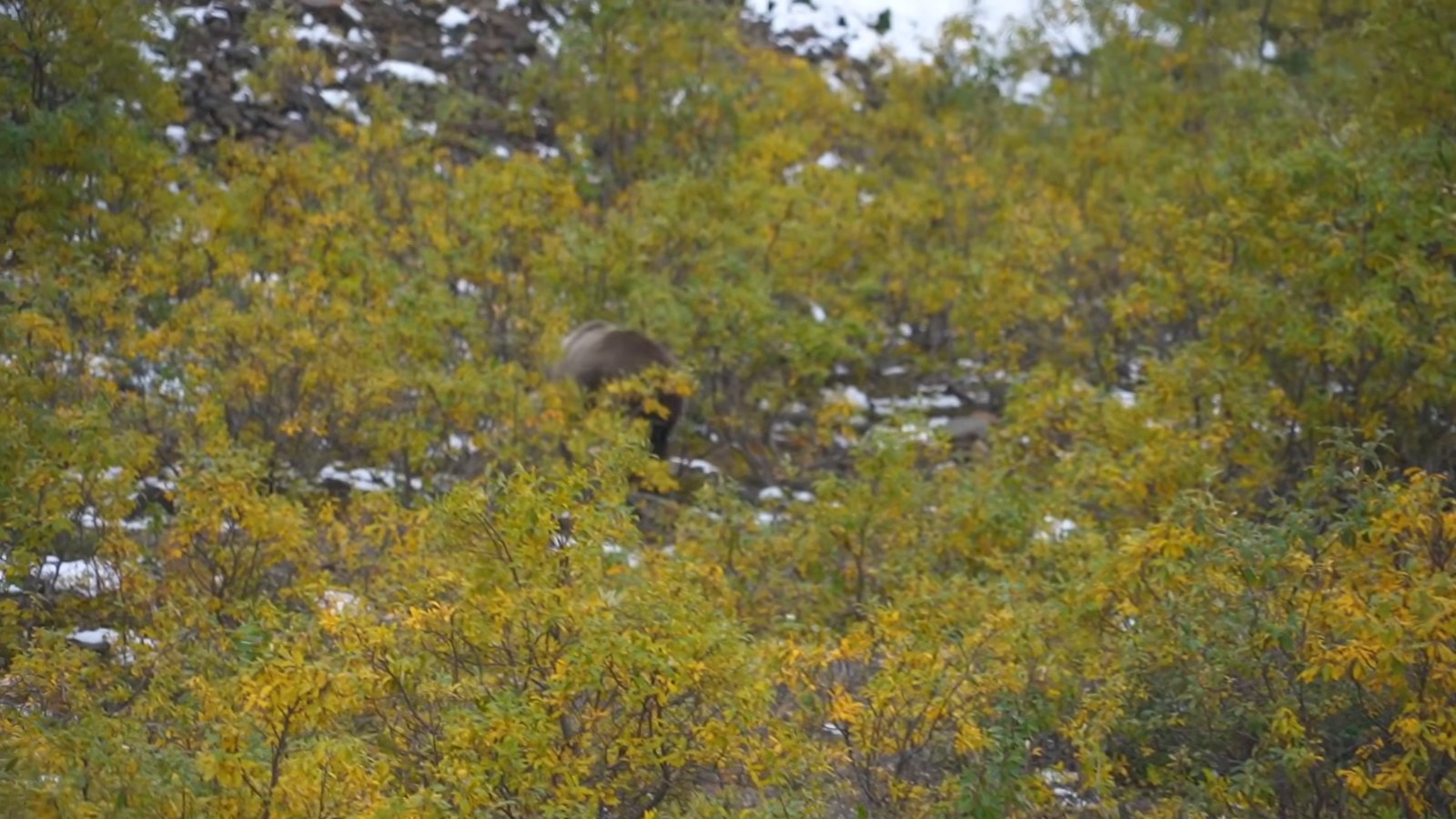
- A bear on the run. A bear was walking along the side of the road, saw something, and took off running before it dropped over the edge. We were lucky to see it. We saw more bears later, but they were far away. Bring good binoculars.
- Caribou on a distant ridge on the way back.
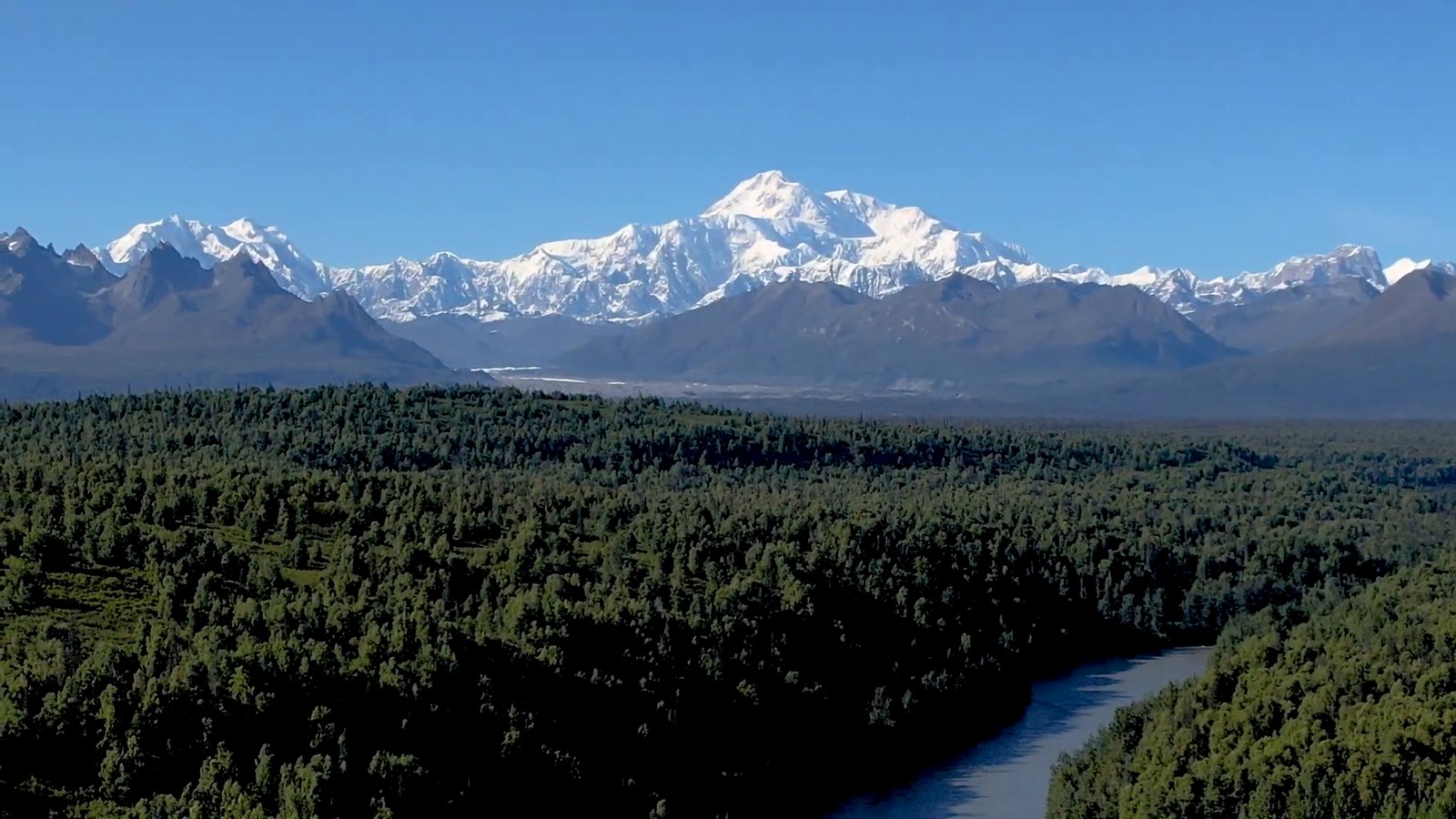
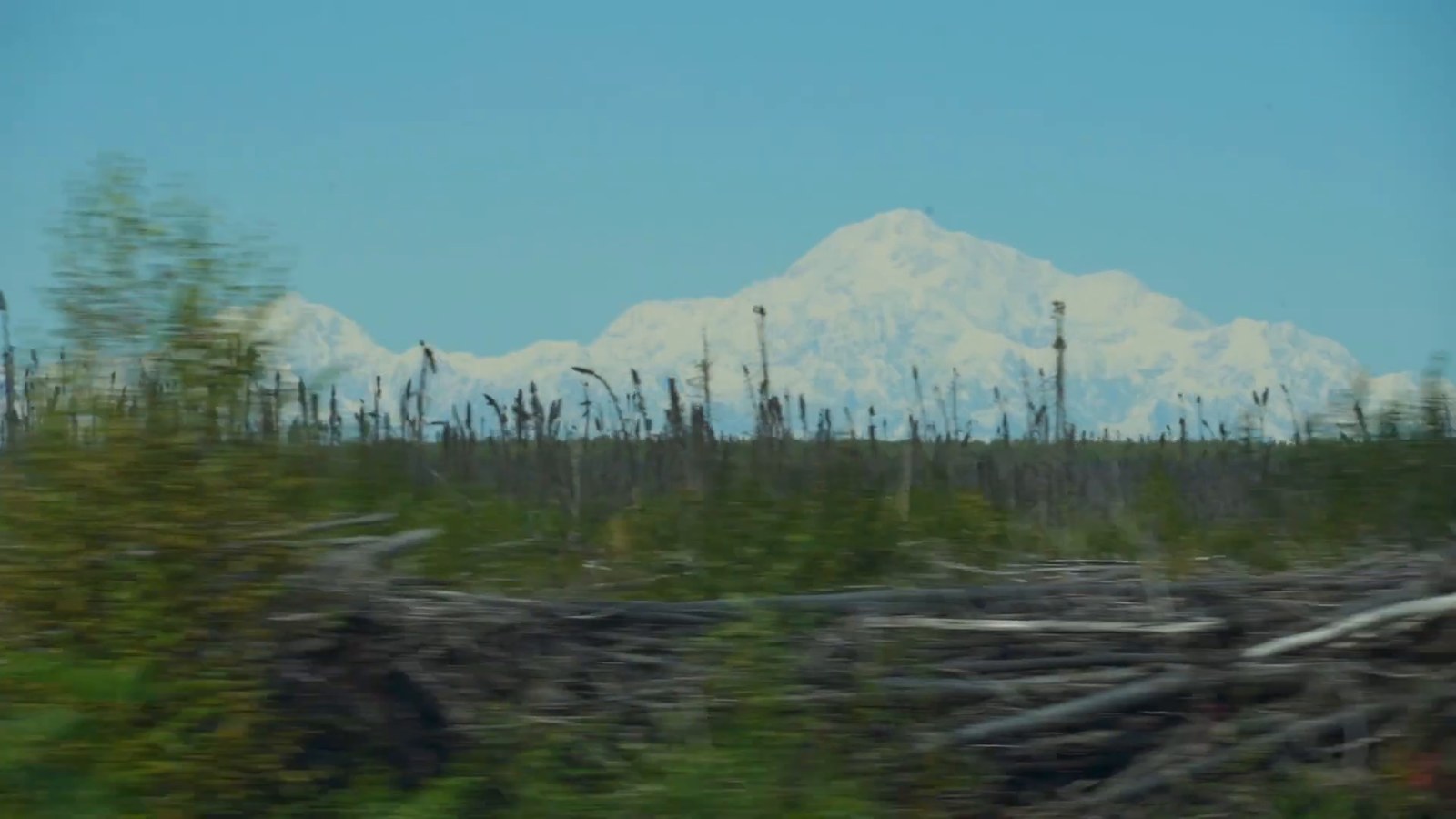
What we didn’t see was the mountain. It was cloudy all day, and the peak never came out. The NPS says the skies are normally cloudy, and the mountain is so big that it creates its own weather. The good news is that we’d had a crystal-clear view the day before, from the Parks Highway on the drive up from Anchorage. So give yourself more than one day in the area if the view matters to you.
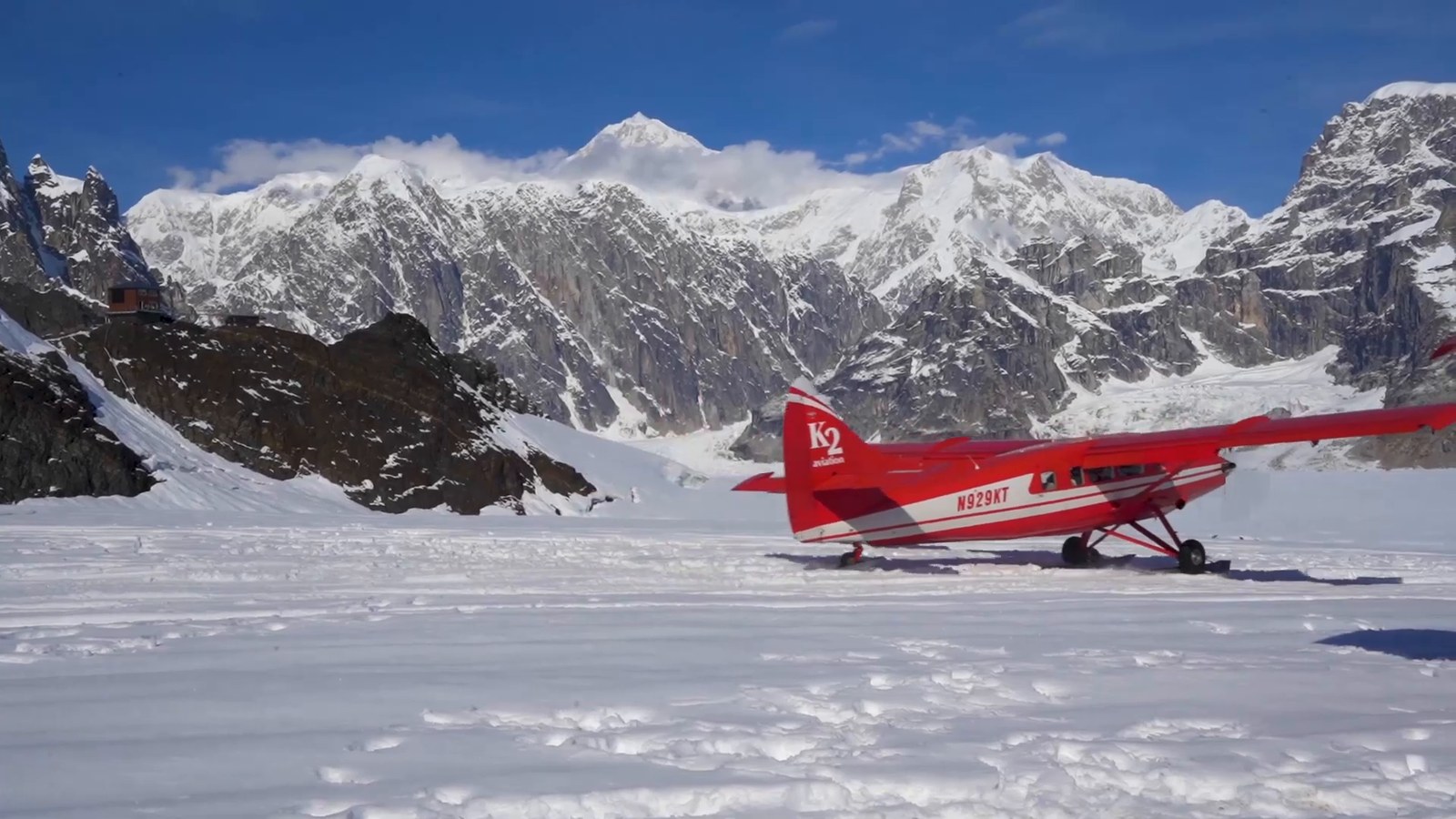
If seeing the mountain up close is the whole point of your trip, a scenic flight is the better bet. A couple of days later, we did a glacier-landing flight out of Talkeetna with K2 Aviation, with 15 to 20 minutes on the snow of the Ruth Glacier. It was a splurge, and it was worth it for the sense of scale. If that appeals to you, you can compare Denali flightseeing trips from Talkeetna. Like the buses, every flight depends on the weather.
Tour bus vs. transit bus
This is the real decision for most people. Here’s how the two compare, based on the NPS descriptions and our own rides. Our 2021 ride was on the tour bus, and one of us rode a transit bus on an earlier visit.
| Tundra Wilderness Tour (tan bus) | Transit bus (green bus) | |
| Narration | A driver-naturalist narrates the whole trip | Basic information and safety only, no formal talk |
| Getting off to hike | No. You stay with your bus | Yes. Get off anywhere and flag down a later bus (seats not guaranteed) |
| Wildlife stops | Yes, plus the zoom camera and screens on our bus | Yes, the drivers stop for wildlife too |
| Comfort | Nicer seats, but still a converted school bus | School-bus seats; drafty and cold on the ride one of us took |
| Food | A snack or lunch is included | Bring your own. Nothing is sold after the bus depot |
| Length in 2026 (to Mile 43) | 5 to 5.5 hours | About 4.5 hours |
| Price | Much higher | Much lower |
The transit bus is a hop-on, hop-off system, which is great if you want to hike. The catch is that you don’t know when the next bus will come or whether it will have room, so you may wait. If you don’t care about a guide, you get a very similar day for a lot less money.
So, is it worth the money?
For us, yes, but with an asterisk. We really enjoyed having a guide. The driver’s knowledge, the wildlife screens and the more comfortable seats made a long day better. What we honestly weren’t sure about was whether all that is worth the big price difference over a transit ticket. It felt worth it in our case because the transit buses were sold out, so it was the tour or nothing, and because the landslide meant we paid a prorated fare.
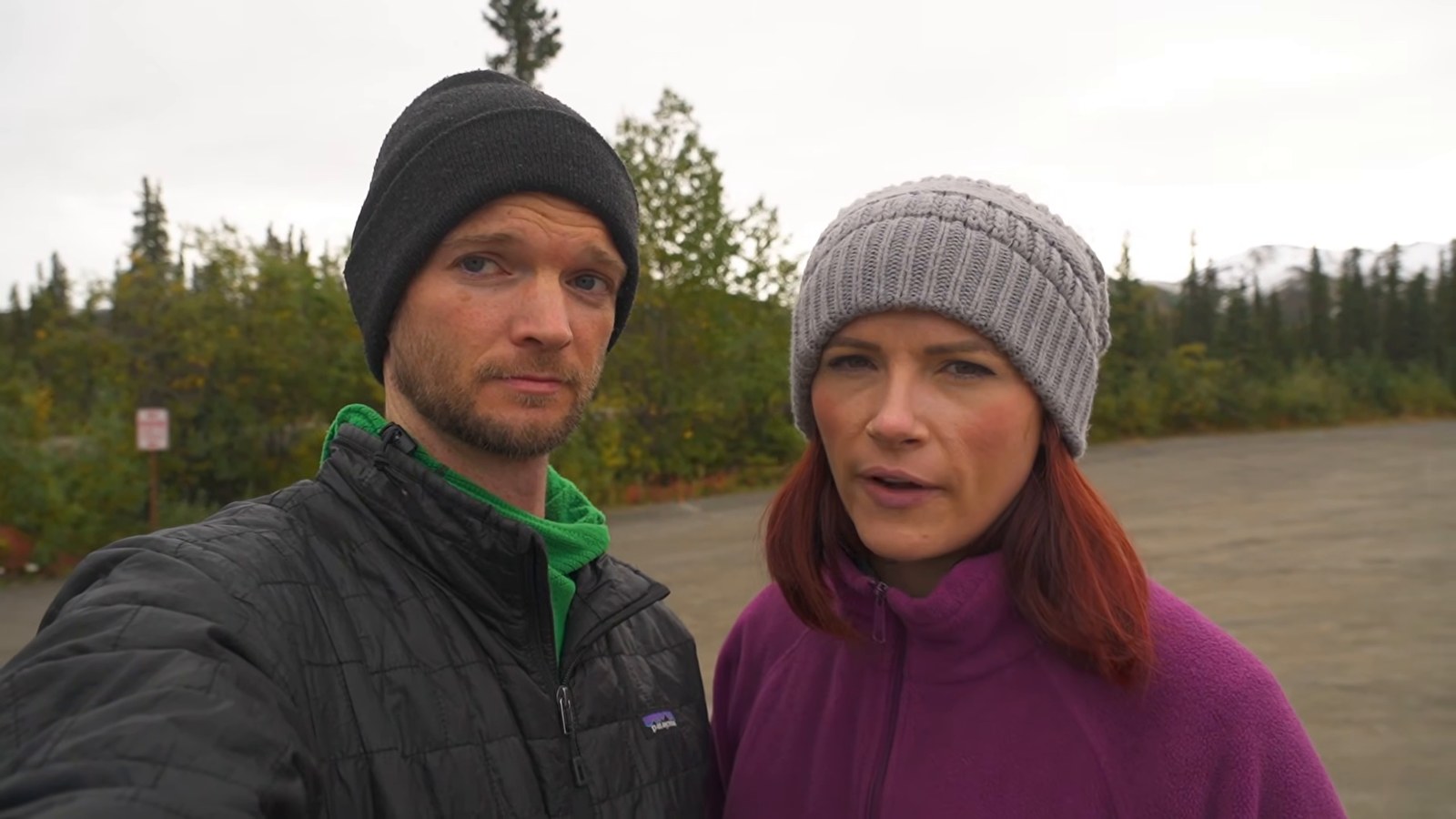
Here’s how we’d decide today:
- First visit, one day, want it easy: the Tundra Wilderness Tour.
- Hikers, photographers happy to wait, and anyone on a budget: a transit bus.
- Families with young kids: the NPS says children 15 and under ride transit buses free (they still need a ticket), which changes the math a lot.
- Planning for 2027 or later: once full service returns, the buses should go deeper into the park and the trips will likely be longer. Check the new tour lengths and turnaround points before you book, because the shortened version we rode may no longer be what’s on offer.
No bus? What you can do on your own
If you don’t want to pay for a bus or spend most of a day on one, you still have options near the park entrance. Denali’s bus system exists for the same reason Zion’s canyon shuttle does (we covered that in our first-timer’s guide to Zion): to keep cars out of the heart of the park.
- Drive to Savage River (Mile 15). In summer, private cars can drive the first 15 miles, and the road is paved with pull-outs. The park entrance fee still applies. We drove back in around dusk on the evening of our tour, because animals tend to be more active then, and came across a “wildlife jam”: about four cow moose in the brush, close enough to see well but far enough away to be safe. Unlike some parks we’ve visited, everyone kept their distance.
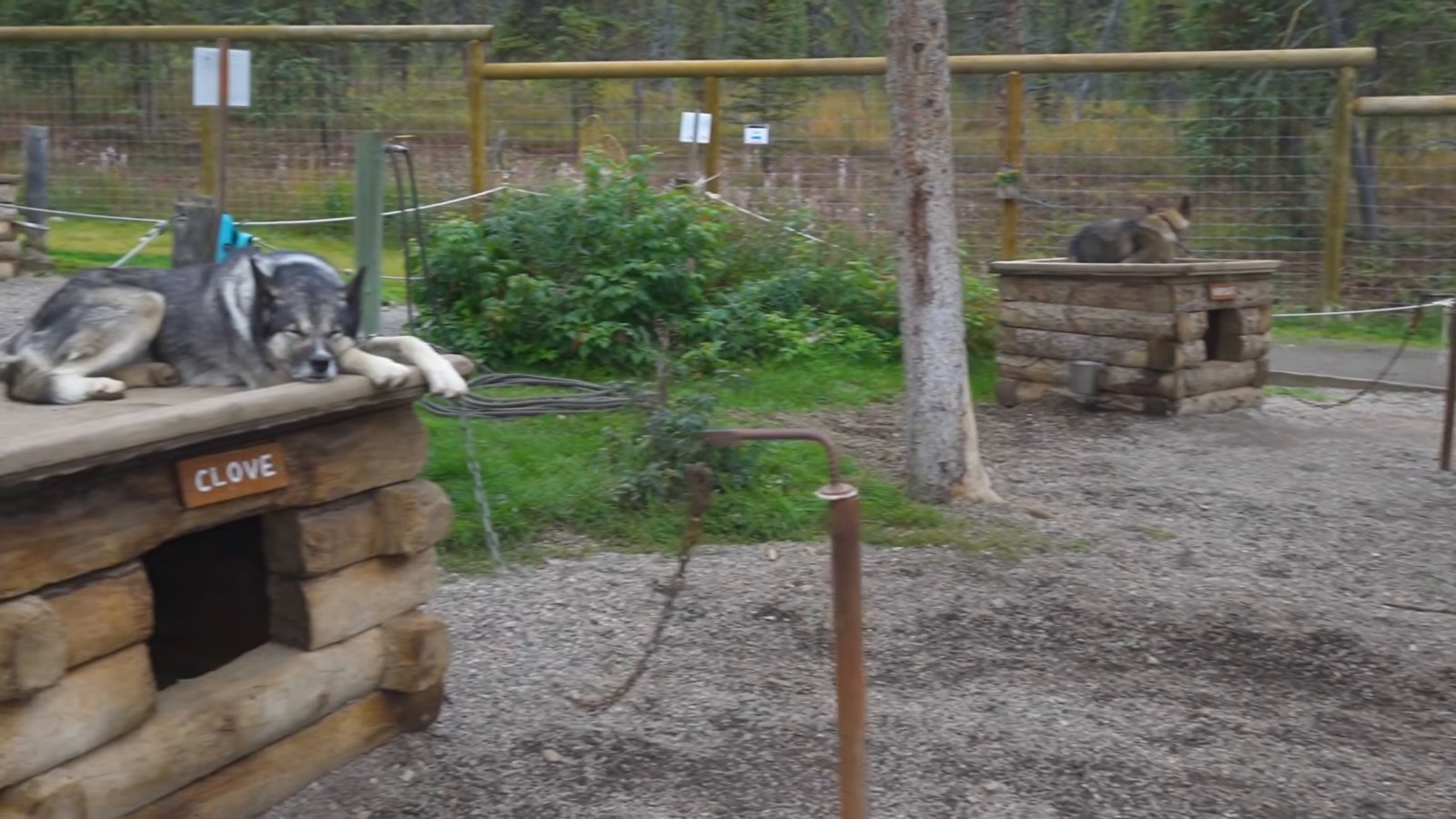
- Visit the sled dog kennels. After our tour we went to the park’s kennels, where the official Denali sled dogs live, and got to see some three-week-old puppies. The NPS says the kennels are about 3 miles inside the park and open daily in summer, with a free shuttle from the visitor center and sled dog demonstrations in season.
Planning tips from our day
- Book early. We tried to book a transit bus at the end of August and couldn’t get one. With reservations opening December 1 of the year before, don’t leave it to the last minute, especially if you only have a day or two.
- Bring good binoculars. Most of our bears were far away.
- Dress for cold, even in summer. We had snow on the ground in late August, and the buses can be drafty.
- Bring coffee and food. It’s a long ride, and on a transit bus there’s nothing to buy once you leave the depot.
- Don’t pin your hopes on the mountain. Plan more than one day in the area, or fly, if the view matters.
- Keep your distance from moose, especially during the late-summer rut.
Where we stayed and how we got there
This article contains affiliate links. If you book or buy through one, I may earn a commission at no extra cost to you.
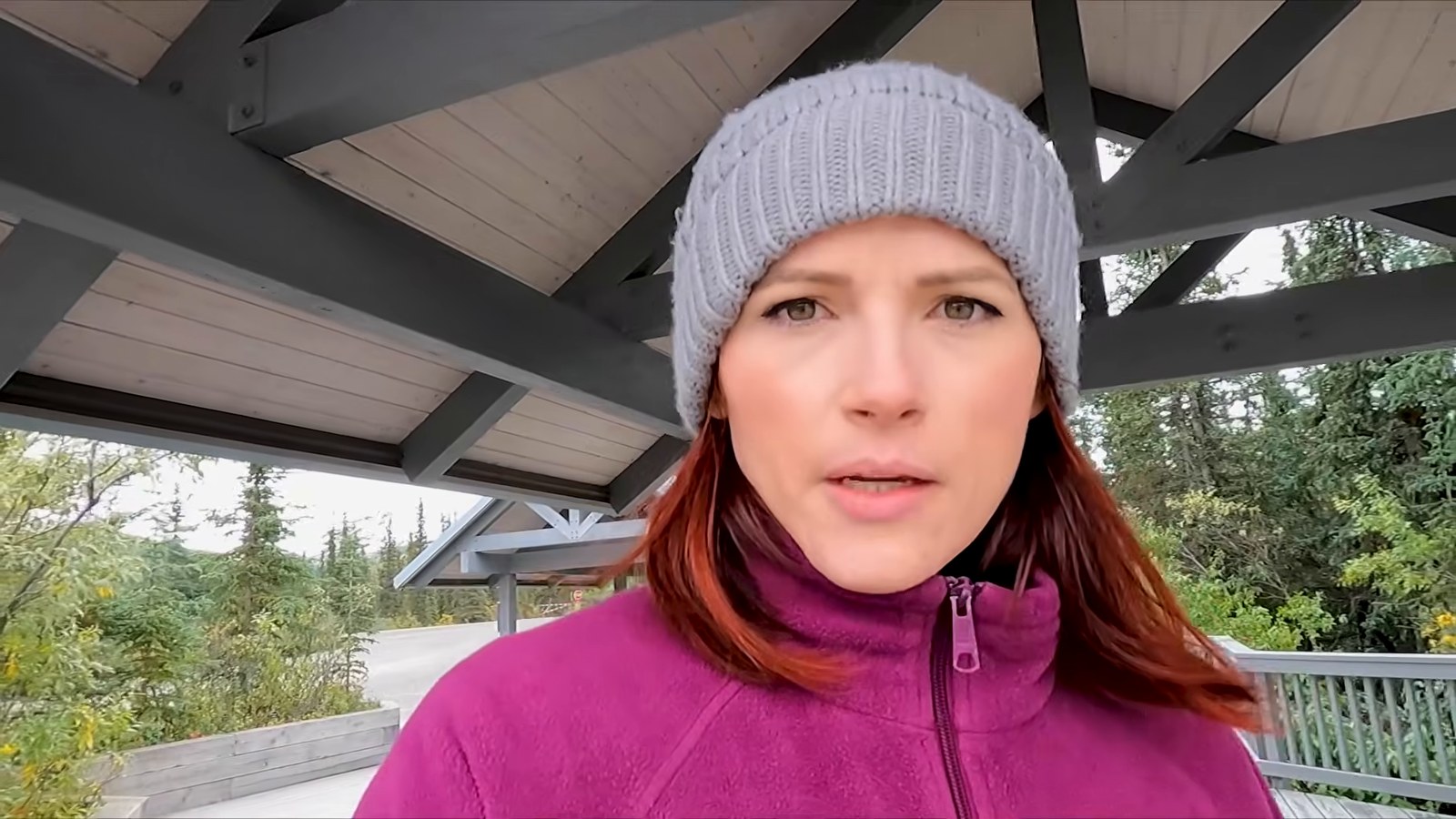
We drove up from Anchorage on the Parks Highway. The NPS puts the park entrance 237 miles north of Anchorage, and it’s about a four-hour drive without stops, although we made plenty. We were lucky with a completely clear day, and the mountain was visible for hours of the drive.
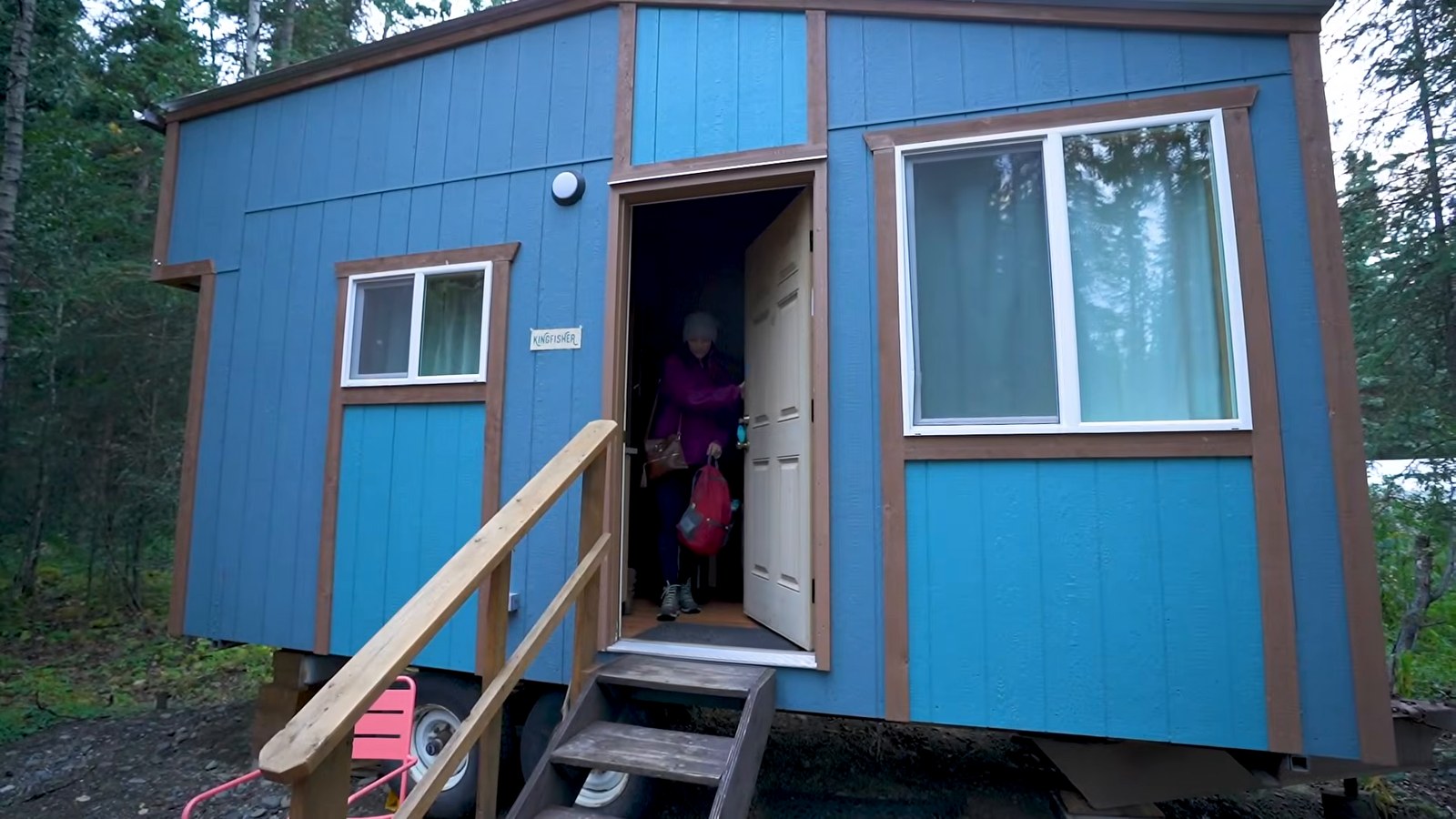
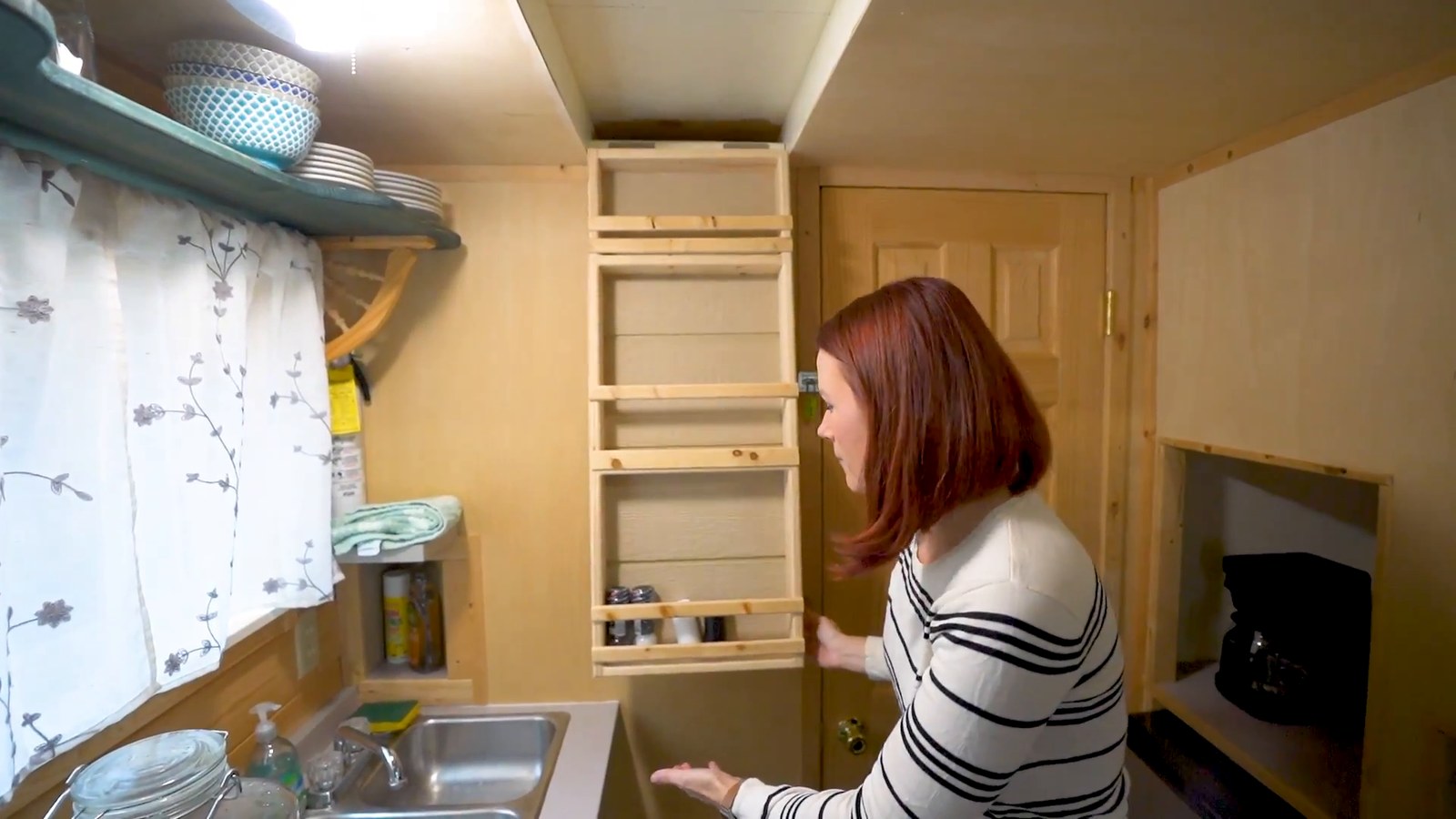
We spent two nights in a tiny cabin at Denali Hostel and Cabins, about 15 minutes south of the park entrance. It was tiny: a kitchenette (handy for early bus mornings), no running water and a shared bathhouse, heaters that kept us warm on cold nights, and a sleeping loft with so little headroom that Kevin bonked his head. There was also a fire pit by a creek where we made s’mores. We liked it and would have recommended it, but the owners have since closed it permanently.
Across the road, we had a great dinner of salmon chowder, halibut tacos and hot buttered rum at the café at McKinley Creekside Cabins, which also rents cabins at Mile 224 of the Parks Highway. It’s one of the nearby places the hostel’s owners now recommend. We didn’t stay there, but it’s right across the road from where we did.
What our videos don’t cover
Our experience is one Tundra Wilderness Tour, the drive in and a couple of nights near the entrance. Our videos don’t cover the shorter Natural History Tour, the park’s west end (Eielson Visitor Center, Wonder Lake and Kantishna, which were already cut off when we visited), camping or backcountry trips, or hiking in the park’s interior. For those, the NPS trip-planning pages are the place to start.
Denali bus tour FAQ
How far do Denali buses go in 2026? No farther than Mile 43 (East Fork) for the rest of the 2026 season, according to the NPS. Full bus service along the park road is expected to resume in 2027.
Do you need to book a Denali bus in advance? The NPS strongly encourages it if you’re visiting for less than two full days. We couldn’t get a transit bus at the end of August, so we’d book as early as you can.
Can you drive into Denali National Park? Only the first 15 miles, to Savage River, in summer. Beyond that you need a bus, a bike or your feet.
Will I see the mountain from the bus? Maybe. It’s often hidden by cloud. We didn’t see it on our tour day, but we had a perfect view from the highway the day before.
