We booked a Little Havana food tour in Miami with Miami Culinary Tours, and it turned out to be one of the best things we did in the city. It was our first time in Little Havana, and we went in hungry.
This article contains affiliate links. If you book or buy through one, I may earn a commission at no extra cost to you.
The short answer
Yes, we thought it was worth it. We left full, a little sugar-high and sweaty, and it gave us a really good overview of the neighborhood and its culture. The food was the draw, but the tour also took in a cigar shop, an 85-year-old juice maker and a lot of murals. Prices, stops and schedules change, so check the Miami Culinary Tours page for the current details before you plan around anything in this post.
Meeting the group and the first stop
We met the group in front of the Tower Theater, and we were already won over before we’d eaten a thing. Little Havana was colorful and lively, we wanted to come back for dinner, and the tour was called the Havana food and culture tour. Apparently it hits about seven spots to try the best Cuban food.
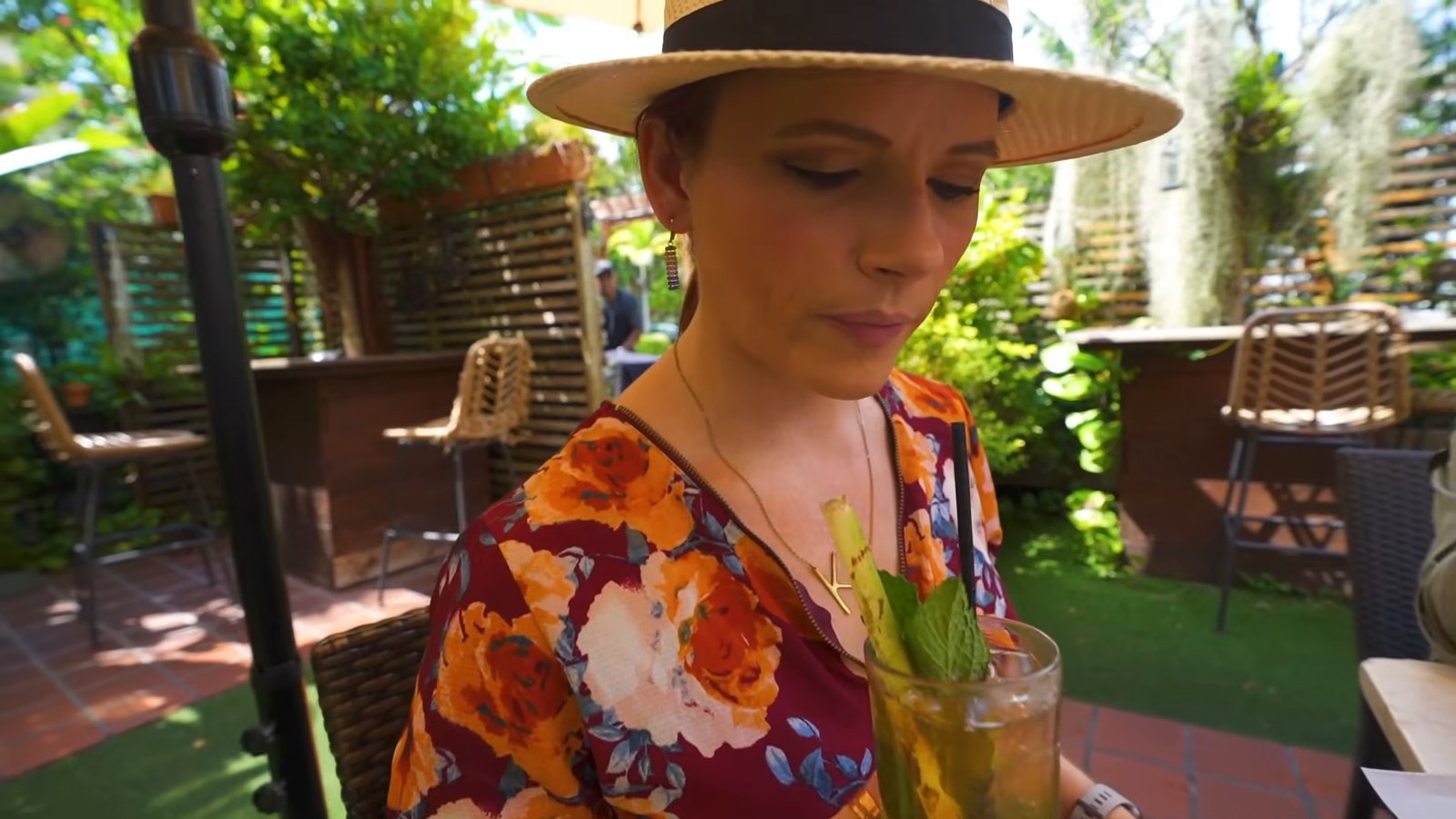
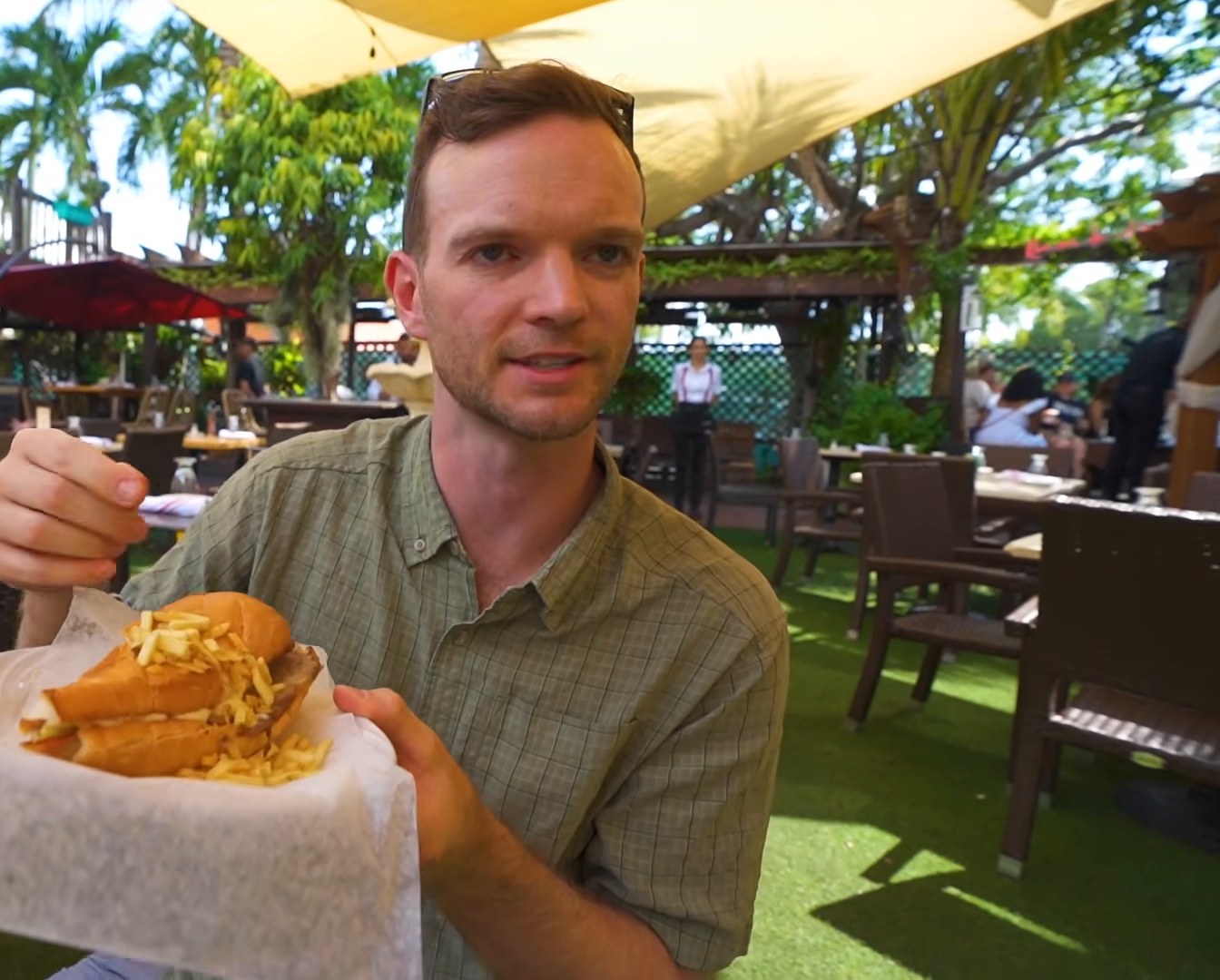
The first stop was all about mojitos and a Cuban sandwich. The sandwich comes with ham, pork, Swiss cheese, pickles and mustard, and ours was crispy on top. It looked amazing.
Picadillo, an empanada and a Cuban coffee
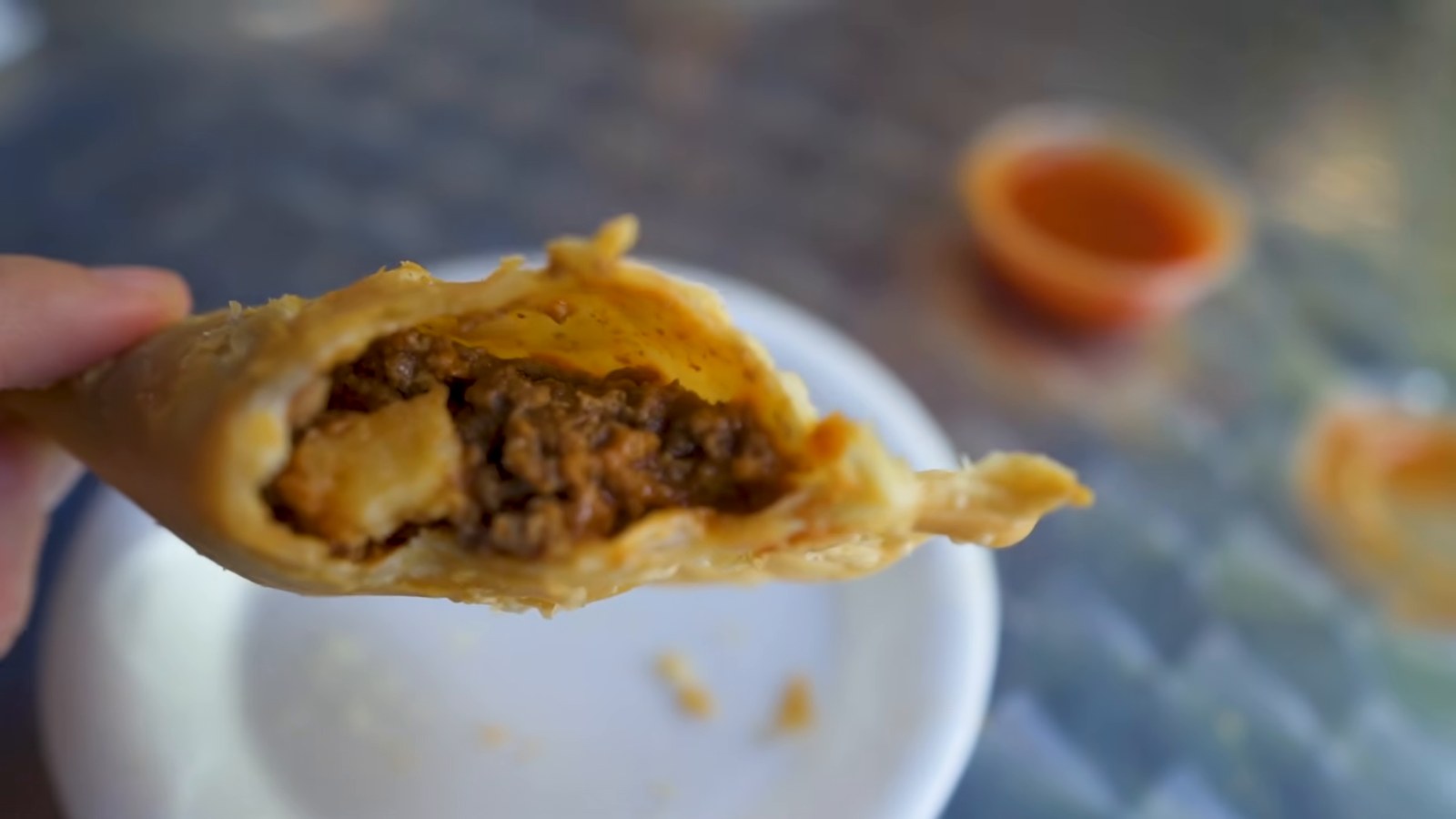
Next up was a spot for picadillo and Cuban coffee. Picadillo is a Cuban meat dish made with white wine, tomatoes, bay leaves, cumin, green olives, raisins and a little potato. It’s a huge mix of goodness.
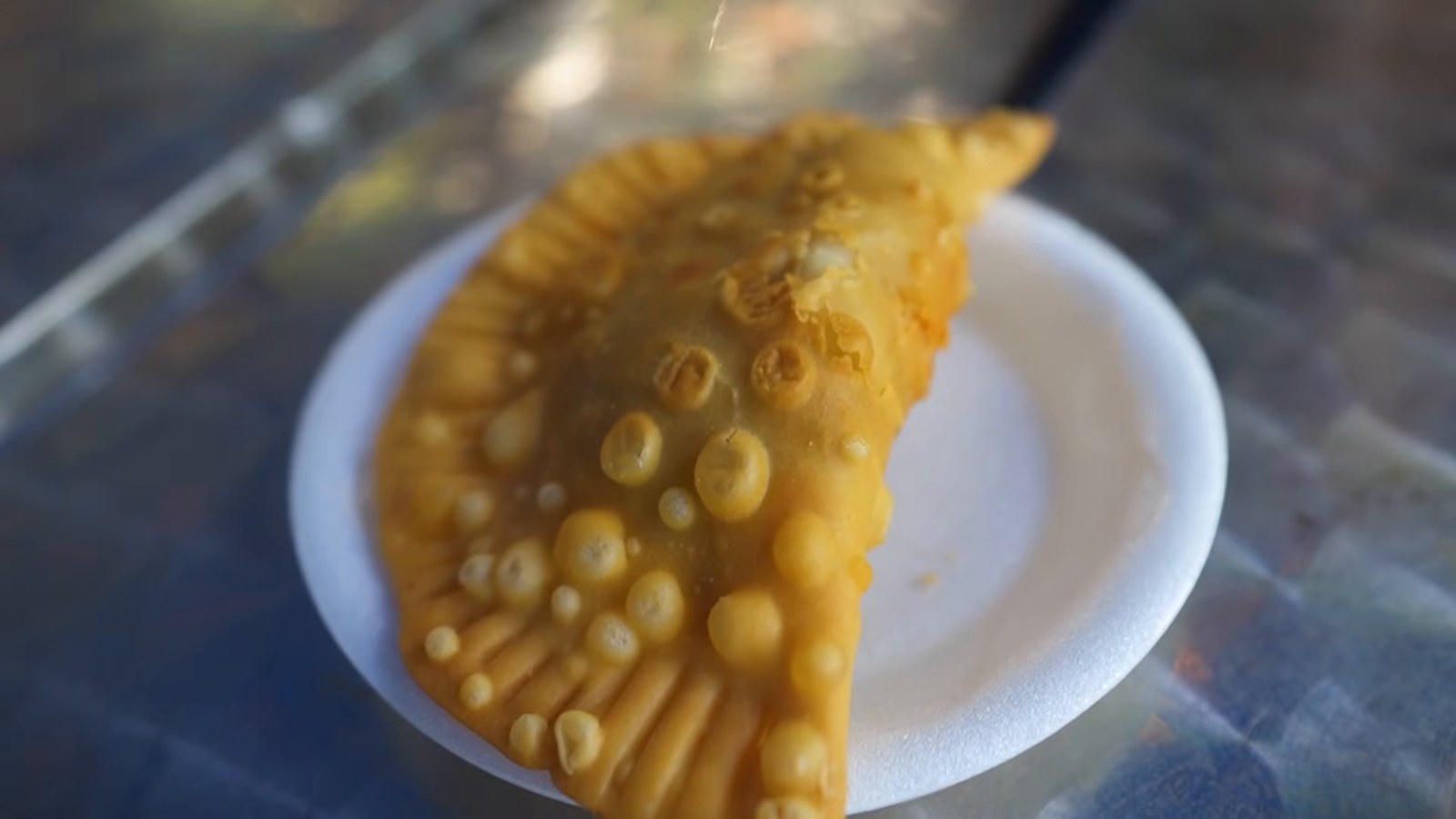
We also had an empanada filled with picadillo, plus the coffee. A Cuban coffee is tiny, about the size of a creamer, because it’s extremely strong. It supposedly has about as much caffeine as a regular American coffee. Ours was a colada, so it was very sweet, with a ton of sugar in it, and we took it like a shot before leaving.
Murals, guava pastelitos and croquetas
Between stops we walked, in the humidity. Florida makes you sweaty, and the only answer is to embrace it. We passed what we decided was the coolest McDonald’s we’d ever seen, and we were already weighed down by empanadas and Cubanos.
The walk was also where we noticed the murals. People talk about Wynwood for street art, but Little Havana has a ton of murals too, so if that’s your thing, add it to the list. We were hurrying so we wouldn’t miss the next food stop.
That stop was a bakery, where we ate guava pastelitos and ham croquetas. Guava is a huge pastry flavor in Miami. The pastelito is like a turnover, sweet and sticky on the outside, and the savory ham croqueta looks like a mozzarella stick and is a bit squishy. If we’re being honest, we wanted the sweet one.
The cigar shop and the fruteria
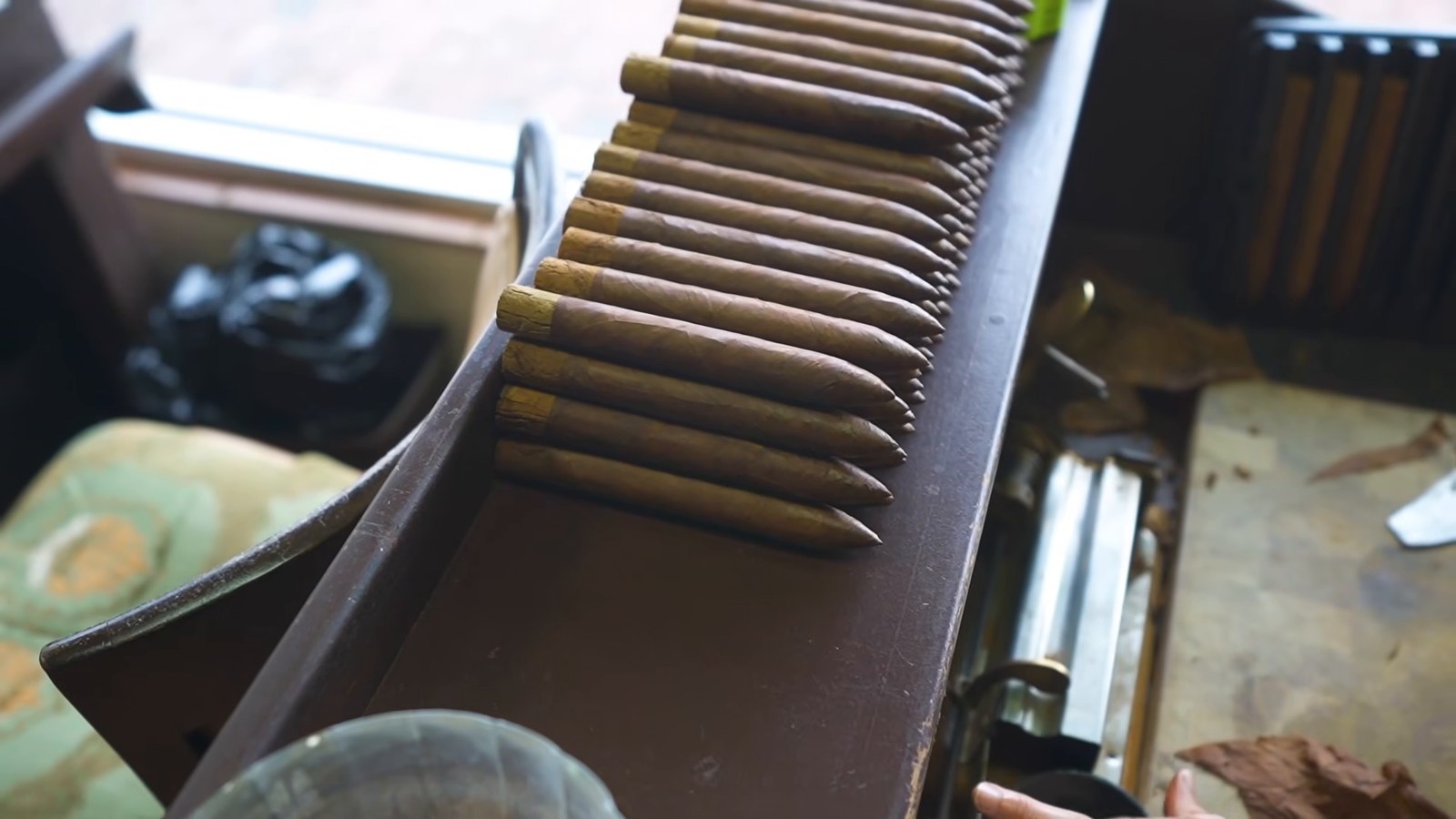
Of course there was a cigar shop. We learned how the cigars are rolled, and they’re Cuban-style: Cuban tobacco seed grown elsewhere, because of the embargo, so you can’t really get actual Cuban cigars in the United States. It was really cool to see the women rolling them, though the smell of tobacco was overwhelming. Trying one was a pass this time, but it was cool to learn about.
The fruteria was a highlight. The fresh-pressed juice came from an 85-year-old Cuban woman at one of the original businesses in Little Havana, opened in the 1950s. She pressed us guava juice.
Churros and Rooster Alley
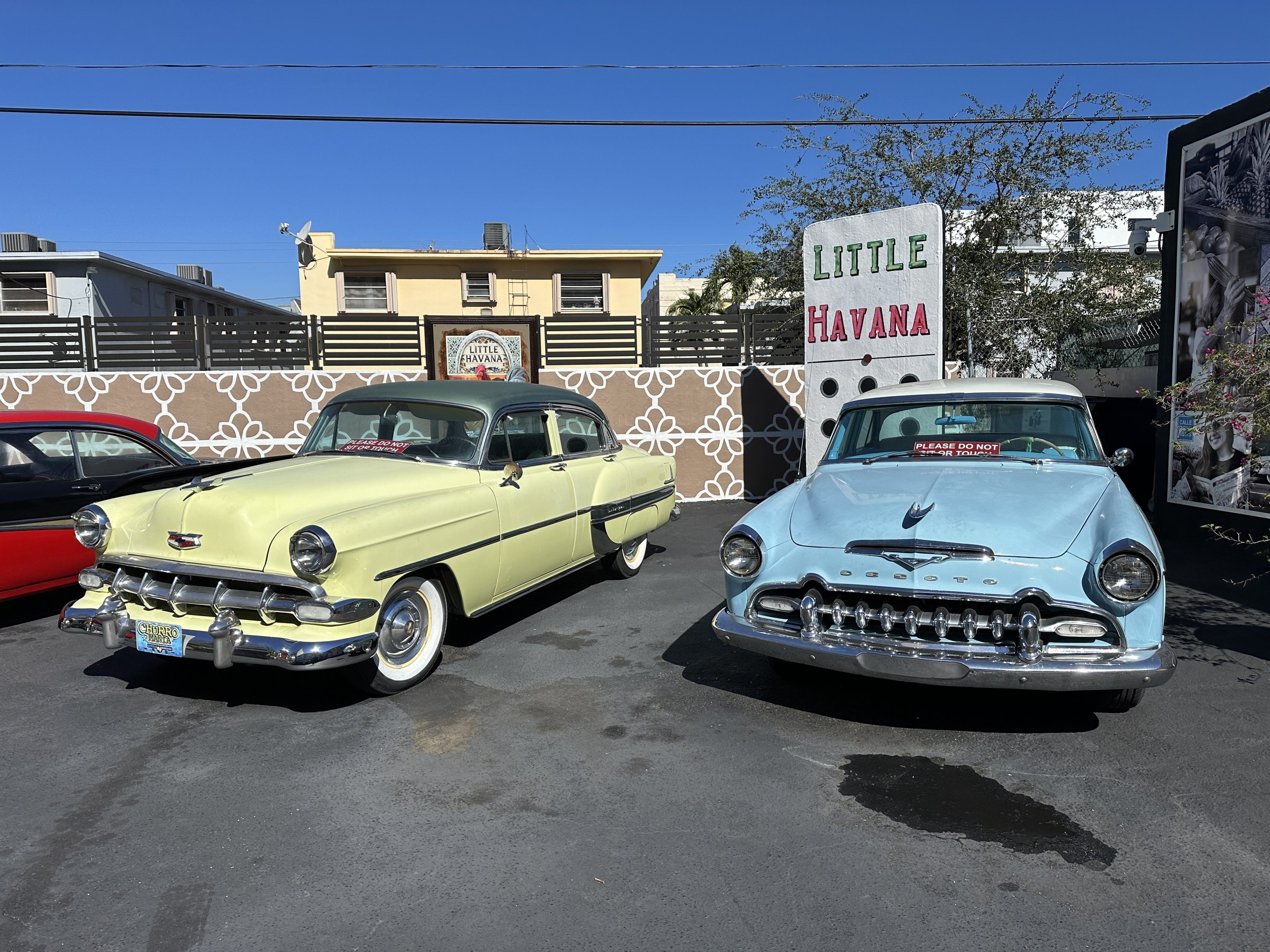
The last food stop was Churro Mania. Churros aren’t traditionally Cuban, but they’re part of Latin culture more broadly, and there were signs for them all over. They were really skinny, a little different from other churros, and still amazing.
Right next door is Rooster Alley, a little alley and lot covered in rooster murals. It’s a tribute to Little Havana, with small business owners honored and pictures of Cuban celebrities up on the walls, and it’s where the tour wrapped up.
Was it worth it?
We’d give it 11 out of 10. Our guide, Marco, was excellent, and the tour covered a lot more than food. We went to Domino Park to learn about the domino-playing culture, where people are there every day, all day, and visited a traditional Cuban shop that makes shirts and hats. Together it was a really good overview of the neighborhood and its culture.
The tour felt a little pricey, but we were glad we paid for it, because we learned a lot and got a lot of food. Our guess is that buying all of that ourselves would have cost about the same, and it was much easier to take the tour than to track it all down. For what it costs now, use the operator’s page.
After the tour: Virginia Key
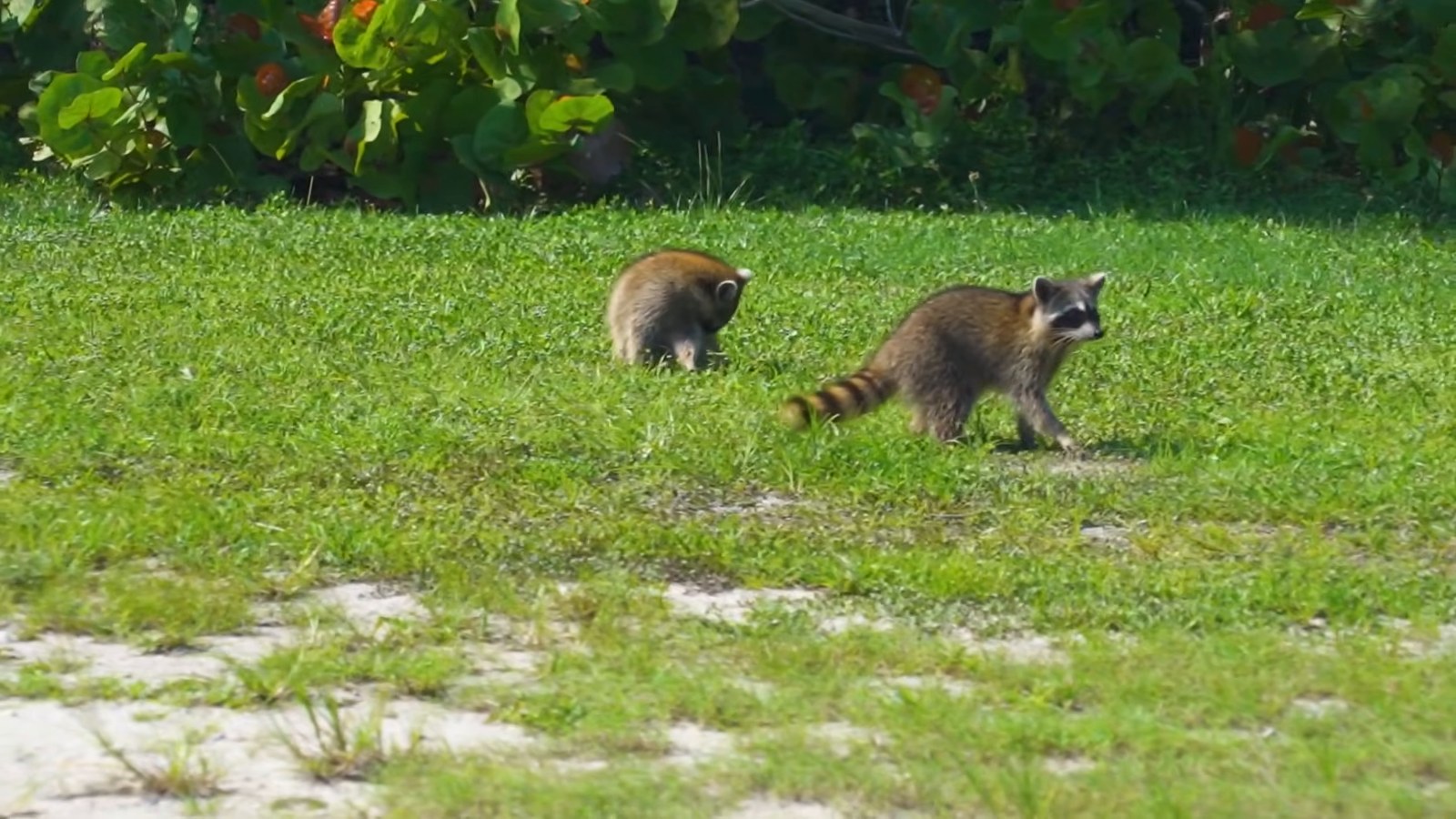
That afternoon we went to Virginia Key, which we’d read is a good place to see manatees. We didn’t see any, but we did see raccoons and iguanas. We weren’t dressed for the mud around the inlet, and with the heat, humidity and storm clouds rolling in, we headed back to the hotel.
Before you go
If you’re thinking about a Little Havana food tour, here’s what we’d pass on:
- Book and check the current price, stops and schedule on the operator’s own page. Ours was the Little Havana Food and Cultural Tour from Miami Culinary Tours, and what it includes may have changed since we went.
- Come hungry. We were full and happy at the end, and we were weighed down by food before the tour was over.
- Expect heat, humidity and a fair bit of walking, so dress for it.
This post covers the one tour we took. Other operators run their own Little Havana food tours with different stops, so compare length and what’s included before you book.
Image credits: the photo of vintage cars near the top and the featured image are by Phillip Pessar, licensed CC BY 2.0, via Wikimedia Commons (photo 1, photo 2). The other photos are stills from our own video of this tour.
