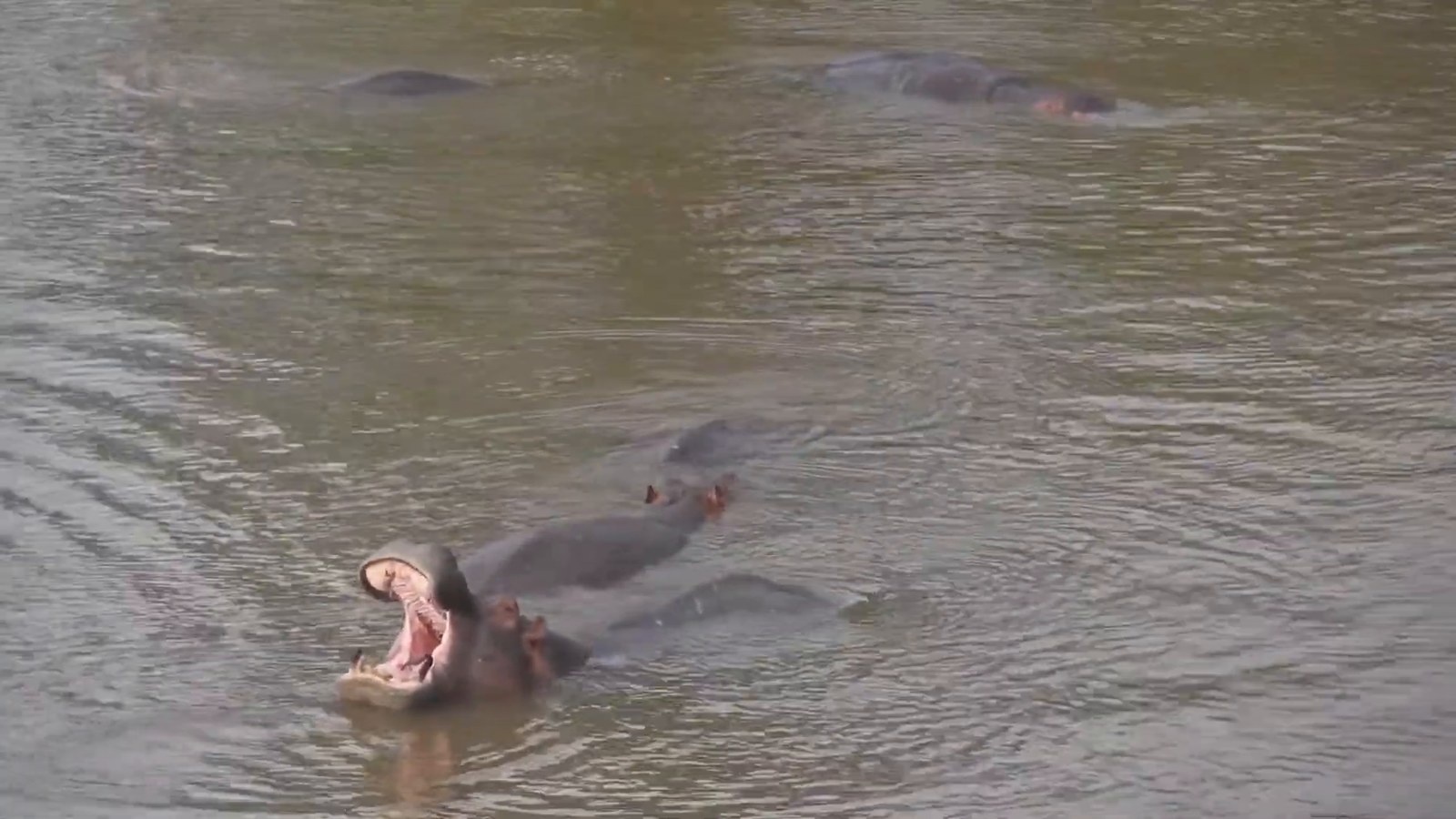
Our tent at a safari camp near the Maasai Mara was enormous, with a bathroom as big as the bedroom, and hippos grunted from the river below. Then we learned that our all-inclusive booking didn’t include game drives. Our 12-day Kenya itinerary went from Nairobi to the Maasai Mara to Diani Beach, and it taught us quite a bit about how those stops fit together—and what to check before booking them. GetYourGuide sponsored two of the outings described here: the Nairobi elephant orphanage tour and the Diani dhow trip.
Our route: Nairobi, safari, then beach
We spent four nights in Nairobi, three nights at a tented camp near the Maasai Mara, and four nights at Diani Beach. Nairobi gave us time for two wildlife visits while we recovered from the journey. Then we flew to the Mara for our safari before finishing on the Indian Ocean coast. The order worked because the long travel day came first and the beach came last.
Getting to Nairobi took about 40 hours
I work for an airline, so we fly standby, which means a lot of backup plans on top of backup plans. We flew from Los Angeles through New York and Doha to Nairobi. The first two flights were first class and a lie-flat business seat, and the last was economy middle seats, so please don’t think we’re spoiled. (Okay, we’re a little spoiled.) Because the Doha-Nairobi flight was a separate reservation, we had to collect our bags and recheck them, and by then our body clocks had no idea what time it was. By the time we arrived, we’d been traveling for about 40 hours.
After immigration and customs, we bought Kenyan SIM cards and called an Uber to our hotel, the DoubleTree in Nairobi. Jet lag stuck around for the first few days, and Uber Eats came in handy when going out for food sounded like more effort than we had in us. If you’re building a similar itinerary after a long flight, those first four nights don’t have to be packed with activities to be useful.
Four nights in Nairobi: baby elephants and giraffes
We took a hotel-pickup tour to the Sheldrick elephant orphanage, and seeing the babies come in for their bottles was worth the 40 hours it took to get there. A keeper talked us through the elephants’ stories, including how they had been rescued, mostly from drought, poachers or being separated from their herds, and what would happen as they grew. The whole outing took us about four hours. Our GetYourGuide tour was sponsored; if you’re planning your own visit, check the Sheldrick Wildlife Trust for visiting details. Wear shoes you don’t mind getting dusty, and bring sunscreen—we were out in the sun, and the elephants weren’t shy about throwing dirt around.
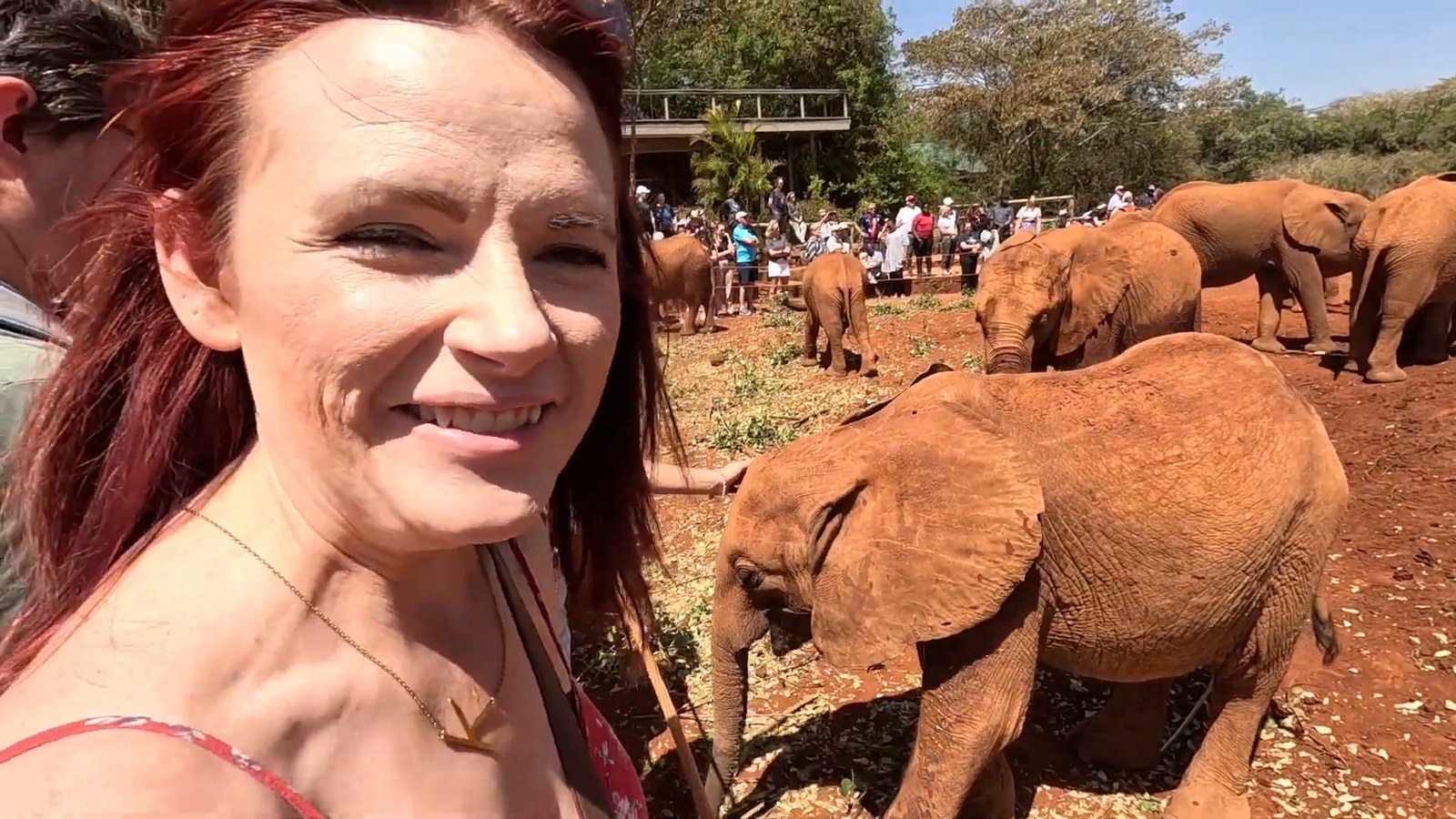
We also adopted an elephant for a year as a birthday gift for family back home. It’s a yearly commitment, and the paperwork makes a great present.
At the Giraffe Centre, we washed our hands, took our little pellets, and fed the giraffes one at a time. Their tongues are impressive. They also leave you wanting to wash your hands again. A warthog turned up in the same habitat.
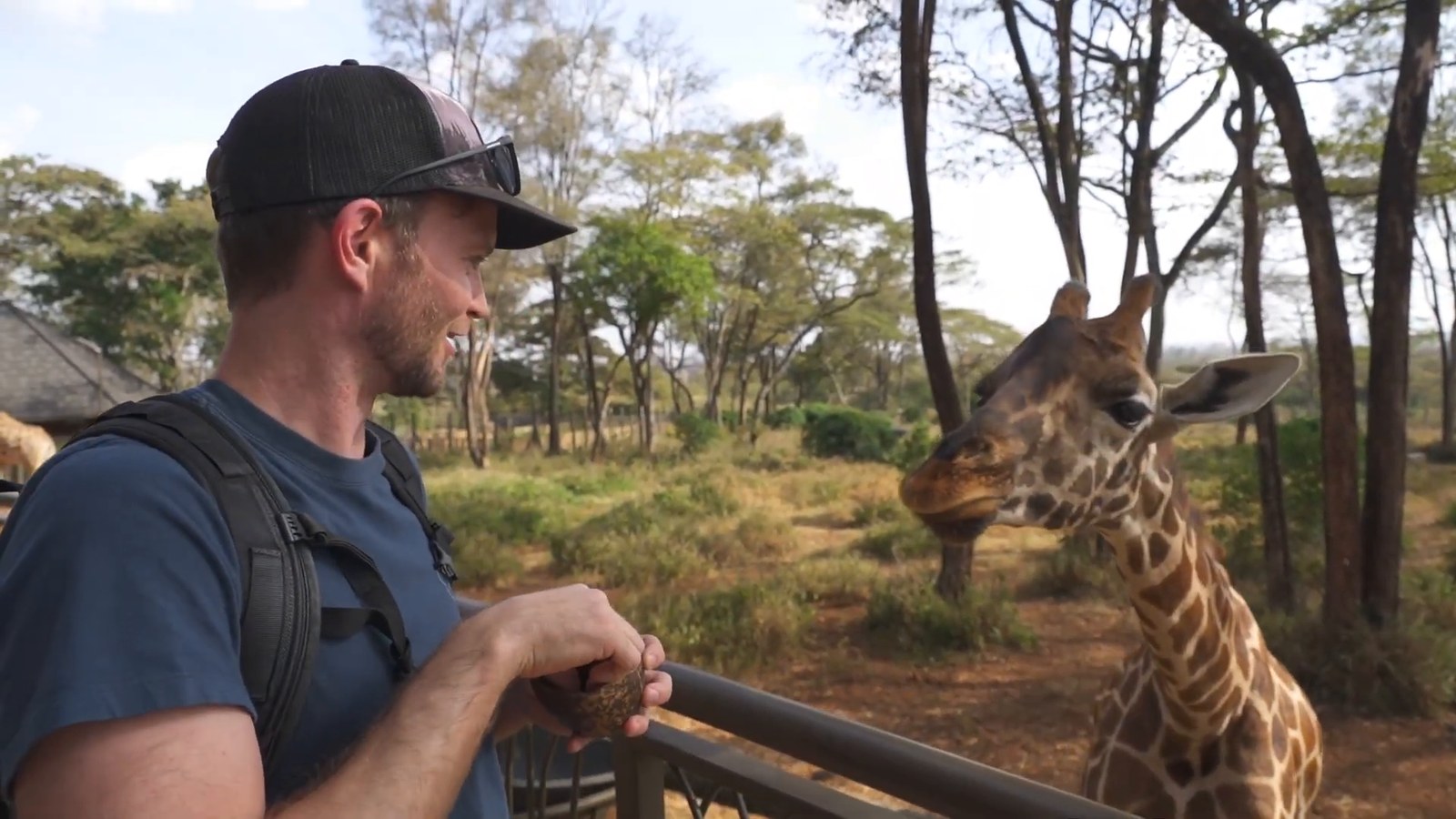
Feeding the giraffes can be a short visit; we stretched ours to about half an hour. We also went into the small information centre, which was worth doing because we didn’t get much explanation outside unless we asked. The Giraffe Centre is close to the elephant orphanage if you’re deciding how to arrange your Nairobi outings.
A small plane, a dirt airstrip and three nights near the Mara
For the safari leg, we left from Nairobi’s smaller Wilson Airport on a Safarilink flight. We had repacked our luggage after reading about the flight’s baggage limit and used the free bag storage at the airline’s terminal. The flight took about an hour and landed on a dirt airstrip, where our camp transport was waiting. It was roughly another hour by road to Neptune Mara Rianta, our home for three nights.
The shower was huge and had a view. If the shutters were open, you might be giving the hippos a show. We could hear them grunting in the river below during our arrival briefing, and watching them from the camp kept us entertained for hours.
Here’s the catch. The camp was marketed as all-inclusive, which to me meant food, drinks and game drives. Our fly-in safari from Nairobi to the Maasai Mara goes into more detail on the extra costs and what to ask before booking. We’d been on a safari in South Africa where everything was included, so I expected the same. Instead, the food and drinks were included, game drives were pretty pricey per person per day, and reserve entry was extra. Our camp was in the Mara North Conservancy, outside Maasai Mara National Reserve, so getting to the reserve gate took at least an hour each way on very bumpy roads. We loved the safari, but that was a nasty surprise.
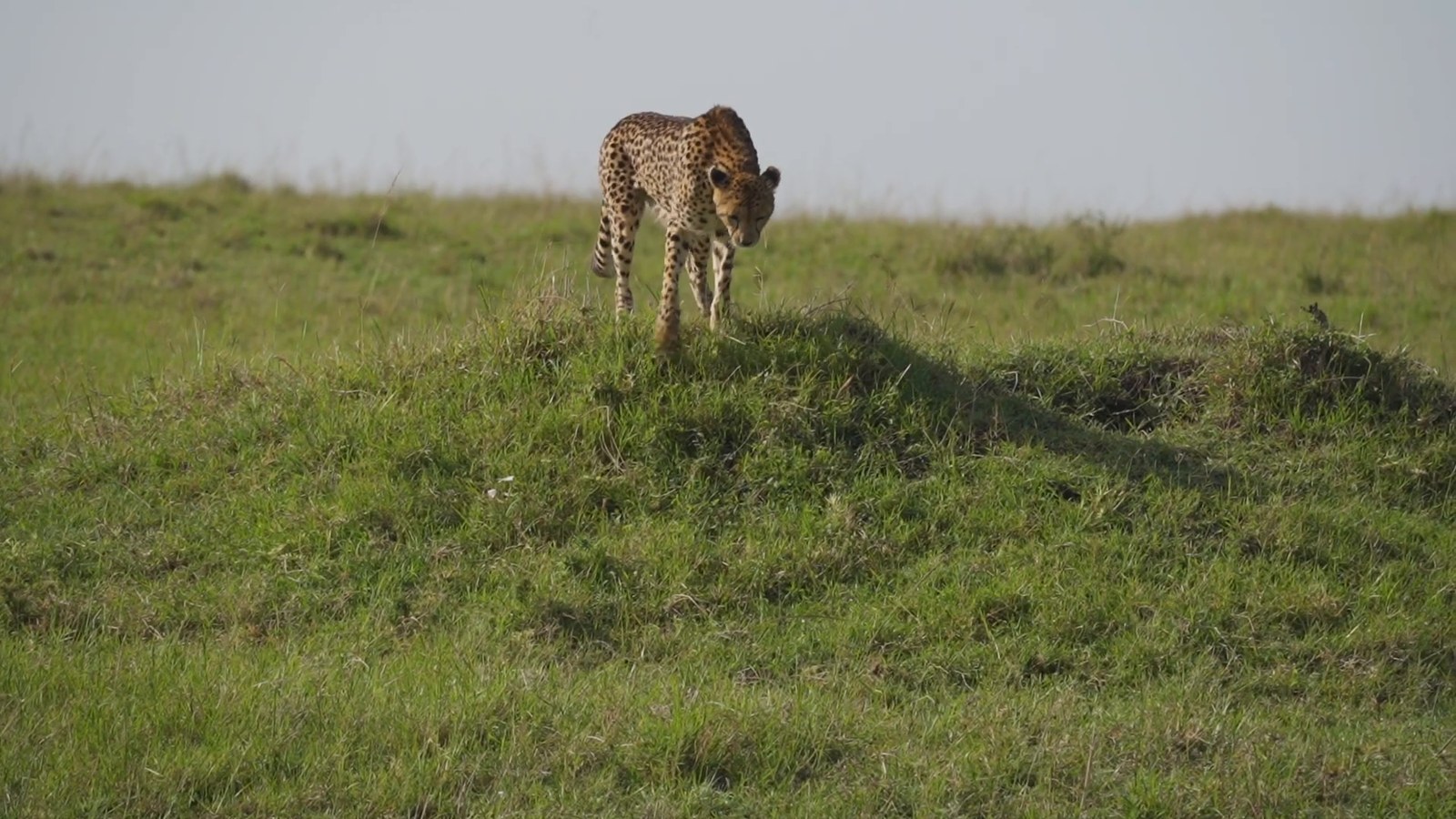
The game drives themselves were amazing. Our first left at 6 a.m. and lasted about seven hours. It brought us a pride of lions, probably a dozen or more, and then a cheetah, which we’d hoped for but hadn’t expected on the very first drive. Breakfast was in the bush, with a hyena about 50 yards away, so we were very aware of our surroundings and hoped we were hungrier than the hyena.
On another day we watched about 15 elephants walk right in front of us, then spotted 17 giraffes. It was also my birthday, and our guide brought out Prosecco at the lunch spot. About five minutes after we left it, we got stuck in the mud near more lions. For a second it looked like we’d have to get out and push, but a little rocking back and forth got us free. We drove up to the Tanzania border pillars, and later we had a flat tire, though not, as far as we knew, in the company of lions.
Four nights at Diani Beach, with one big boat day
A photo of blue water and camels walking along a beach was one of the reasons Kenya caught our attention in the first place. I said I wanted to go there, and it turned out to be Diani Beach, on the Indian Ocean south of Mombasa, which became our four-night finish.
While we were walking on the beach taking photos, men approached us with friendly questions about where we were from and where we were going. I’d noticed they had been following us for a while, so I was a little wary. The conversation turned to carved wooden souvenirs: pay now, choose a name and animal, and collect the finished item the next day. We weren’t buying anything, and variations of the same conversation happened again, with the same questions in the same order. Diani is a great little beach town and worth visiting, but never give anyone money for something you aren’t getting right then.
Our other Diani outing was a sponsored GetYourGuide dhow trip to Kisite-Mpunguti Marine National Park and Wasini Island. It was about an eight-hour tour, with roughly an hour’s drive from our resort to the port. We snorkeled over a reef that looked really healthy to us, though the water was choppy and snorkeling reminded us how much work it can be. Lunch on Wasini Island was excellent, especially the seaweed, which was sweeter than we expected. We had time to see the baobab trees there before heading back by boat.
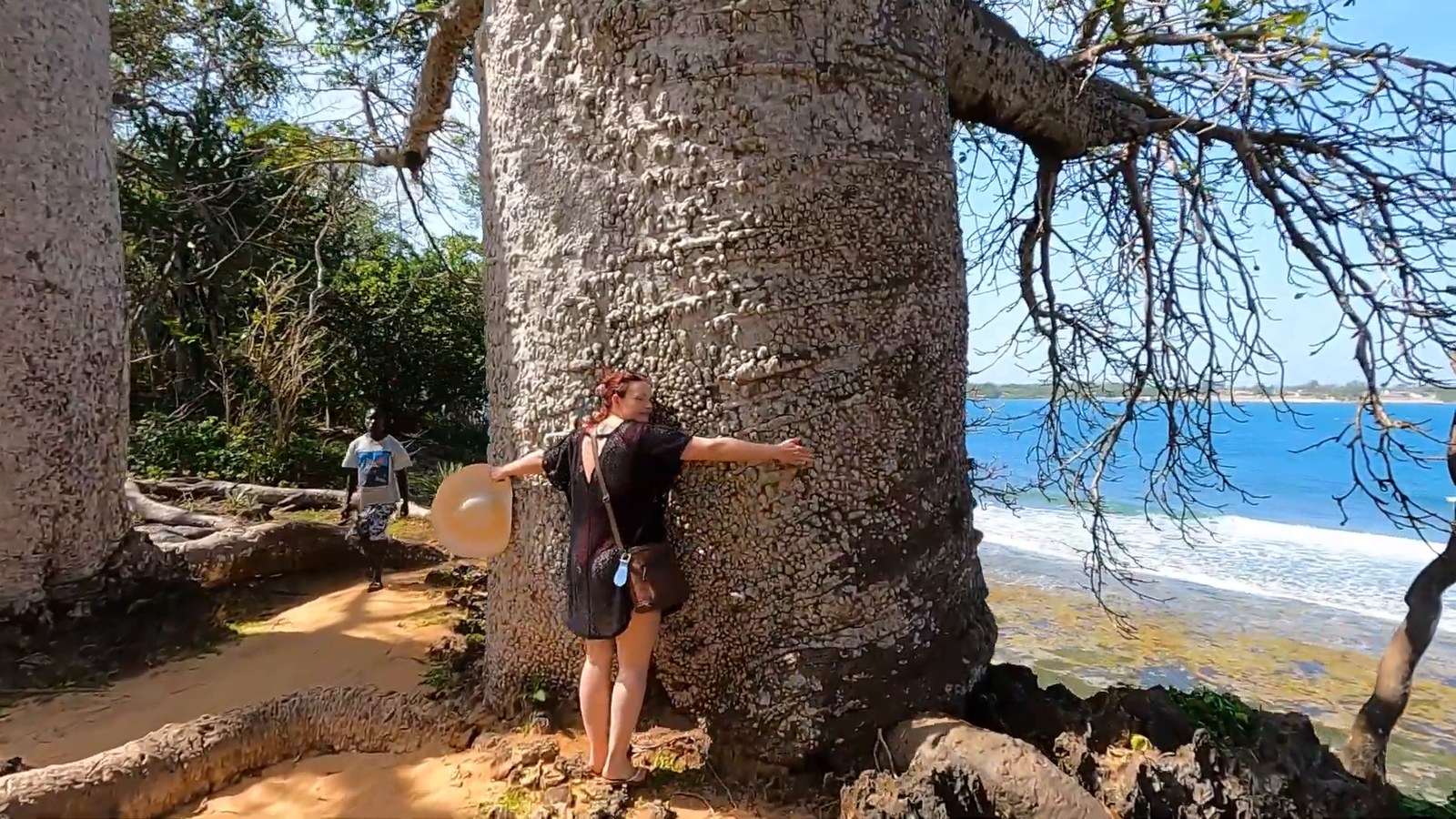
The day ended with an unexpected stop at the Shimoni slave caves, about a minute from where we got off the boat. Historically, slave traders held enslaved people there before putting them on boats to places like the Arabian Peninsula. It was really interesting, and it is history from this part of the world that’s worth keeping in mind. By the time we returned to the hotel, it was our last night in Kenya.
Two practical things that made travel easier
The one thing I really wish we’d figured out sooner was M-Pesa, Kenya’s version of Venmo. We didn’t figure it out until the end of the trip. We saw it advertised at small roadside businesses, and a motorcycle rider at the beach wanted us to pay that way. We went with Safaricom SIM cards, which were slightly more expensive than the other options, because I’d read they had the best network and worked with M-Pesa. Setting it up takes an M-Pesa agent, so it’s worth asking about once you have your SIM rather than leaving it until the end as we did.
Uber worked well for us in Nairobi and Mombasa: the destination was set in the app, and we didn’t have to negotiate a ride. Before traveling, check the official Kenya eTA portal for entry requirements rather than relying on what applied during our trip. For us, e-visas had to be arranged in advance.
What we’d do differently
We’d set up M-Pesa earlier and ask much more specific questions before choosing a safari camp: Are game drives included? Is reserve entry included? How long is the drive to the gate? If I ever go back, I’d prefer to stay inside the reserve to avoid that long, bumpy trip each way. I’d also check flight baggage terms with Safarilink before packing for the small plane.
That’s our Kenya itinerary: jet-lagged Nairobi wildlife visits, three nights near the Mara, and a Diani finish with room for both a beach walk and a full day on the water. Would I recommend Kenya? Ten out of ten. We’d just read the safari booking a little more carefully.
Image credits: the photo of a sleeping lion used as the featured image is by Lebu Ayiga, licensed CC BY 4.0, via Wikimedia Commons (source). That photo was not taken on our trip. The other photos are stills from our own videos of Kenya.
