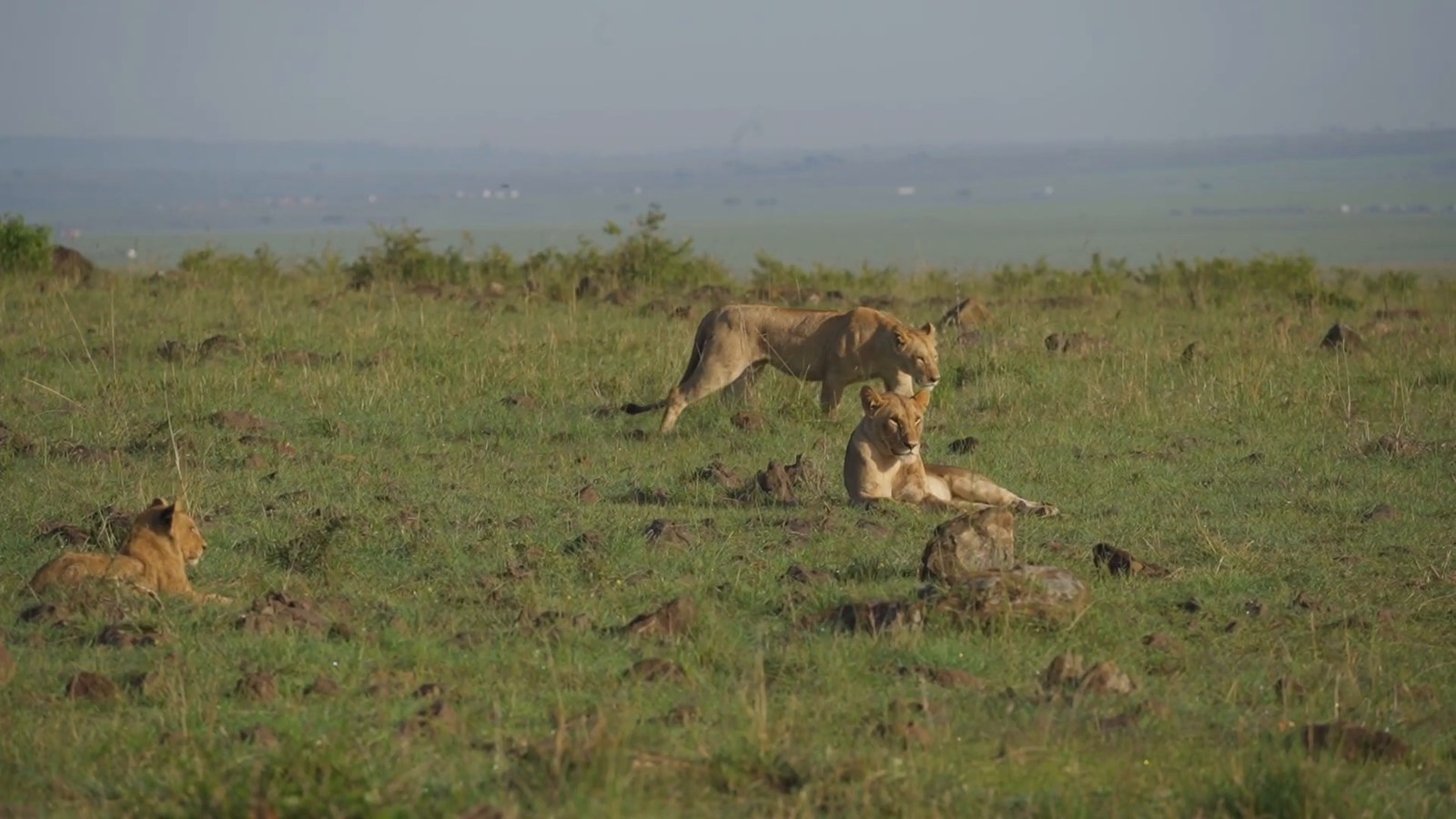
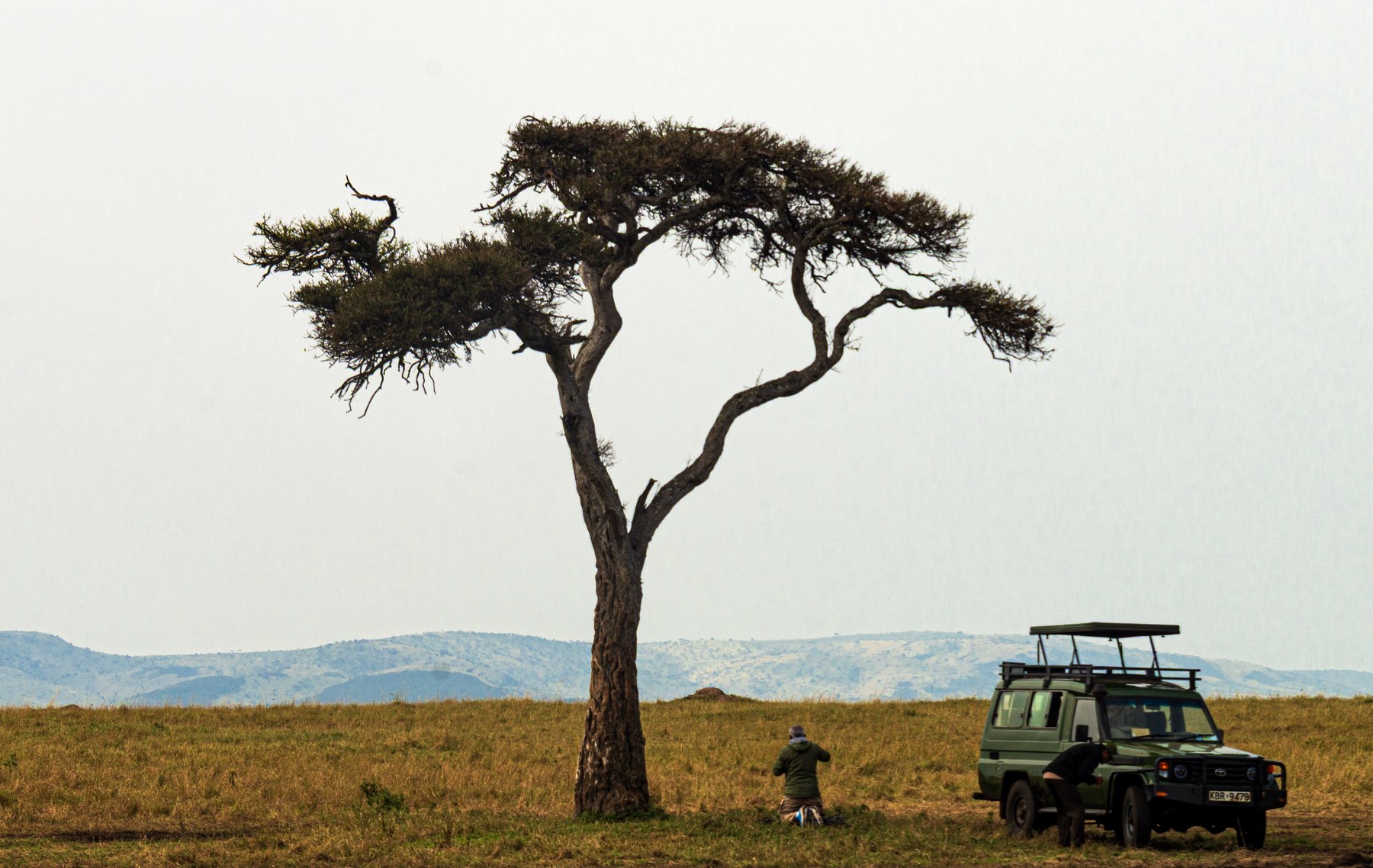
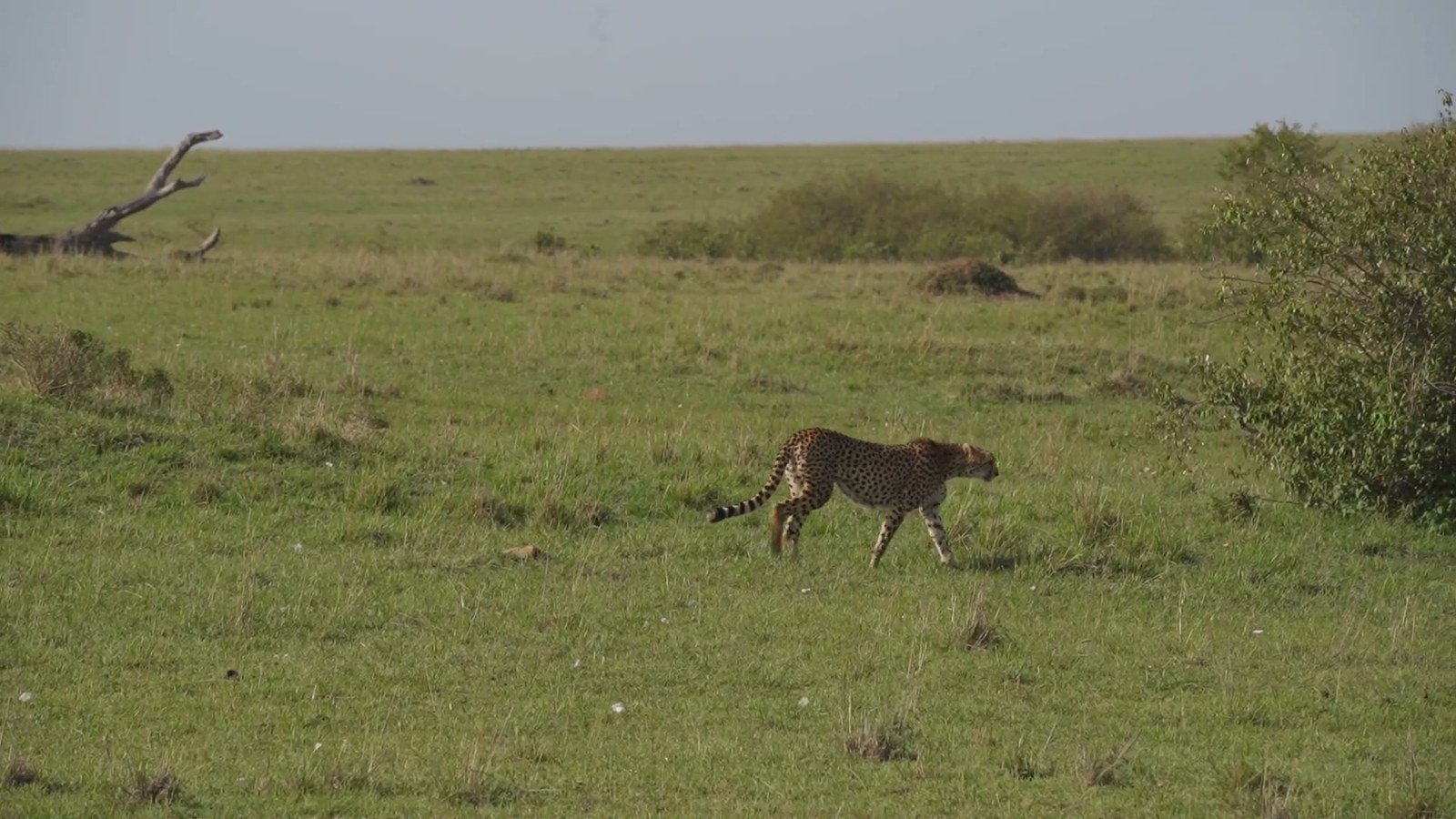
A lion roared through the night before our first game drive, and by breakfast we’d seen a pride of lions and a cheetah. Is Maasai Mara worth it for a short fly-in safari from Nairobi? After two days of game drives, we had a clear answer—and a better understanding of what “all-inclusive” did and did not mean at our camp.
This article contains affiliate links. If you book or buy through one, I may earn a commission at no extra cost to you.
The short answer: yes, with one important booking check
For us, the Maasai Mara was well worth it. We flew in, stayed in a comfortable tented camp and spent two days seeing more animals than we could quite believe. Flying made sense for our short safari: we figured driving from Nairobi would take about five hours and mean renting a car.
The catch wasn’t the wildlife or the flight. It was assuming that an all-inclusive camp rate covered the game drives. Ours included food and drinks, but the drives and the fee to enter the national reserve were extra. We’d still recommend spending a few days in the Mara; we’d just check those inclusions much more carefully.
Flying from Wilson Airport to a dirt airstrip
We left Nairobi from Wilson Airport, the smaller airport made up of separate buildings rather than one central terminal. At Safarilink, we repacked because we’d read that the luggage limit included carry-ons. The staff weighed our checked duffel bags but not our backpacks, and the airline’s building had free luggage storage. Don’t take our backpack experience as a packing rule—check your allowance with the airline before you go.
The flight on the small plane took about an hour and landed on a dirt airstrip. We paid for that flight ourselves, separately from the camp stay. Our transport to camp was already waiting, though flying in didn’t mean we were there yet: the drive to Neptune Mara Rianta took about another hour. We saw so many animals on that transfer that it felt like a mini game drive. Whether a camp charges for the airstrip transfer or includes it in the rate is worth asking before you book; we can only tell you that ours was waiting for us.
A very comfortable tent, with hippos outside
We booked Neptune Mara Rianta partly with points and partly with cash, drawn by its reviews and the ease of having food and drinks included. The tent made an excellent first impression. It had a king-size bed, a sitting area, a bathroom nearly as big as the bedroom, mosquito nets and running water for the shower. There was no air conditioning, but there was a butler to handle turndown service. This was glamping, not an exercise in making do.
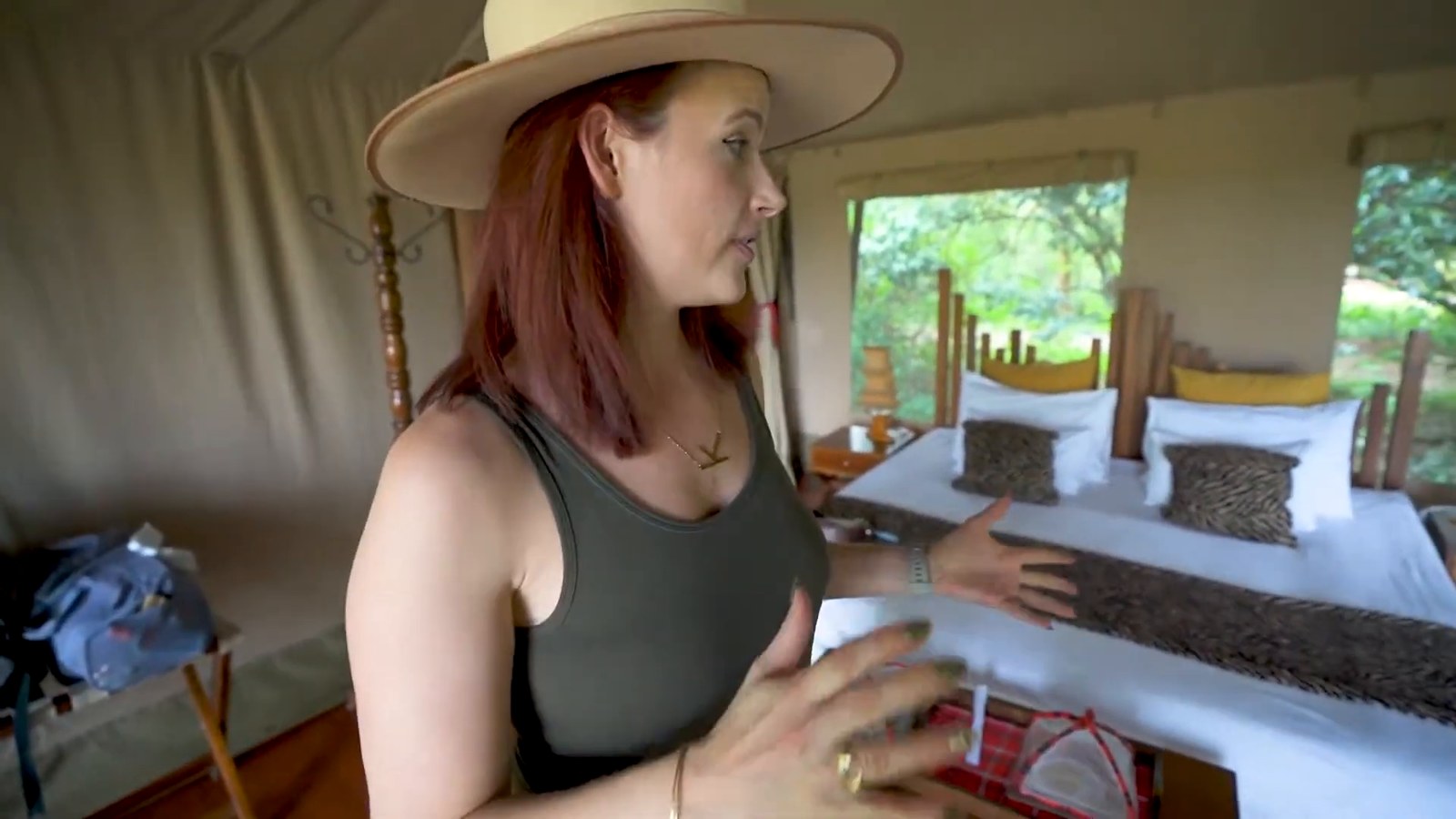
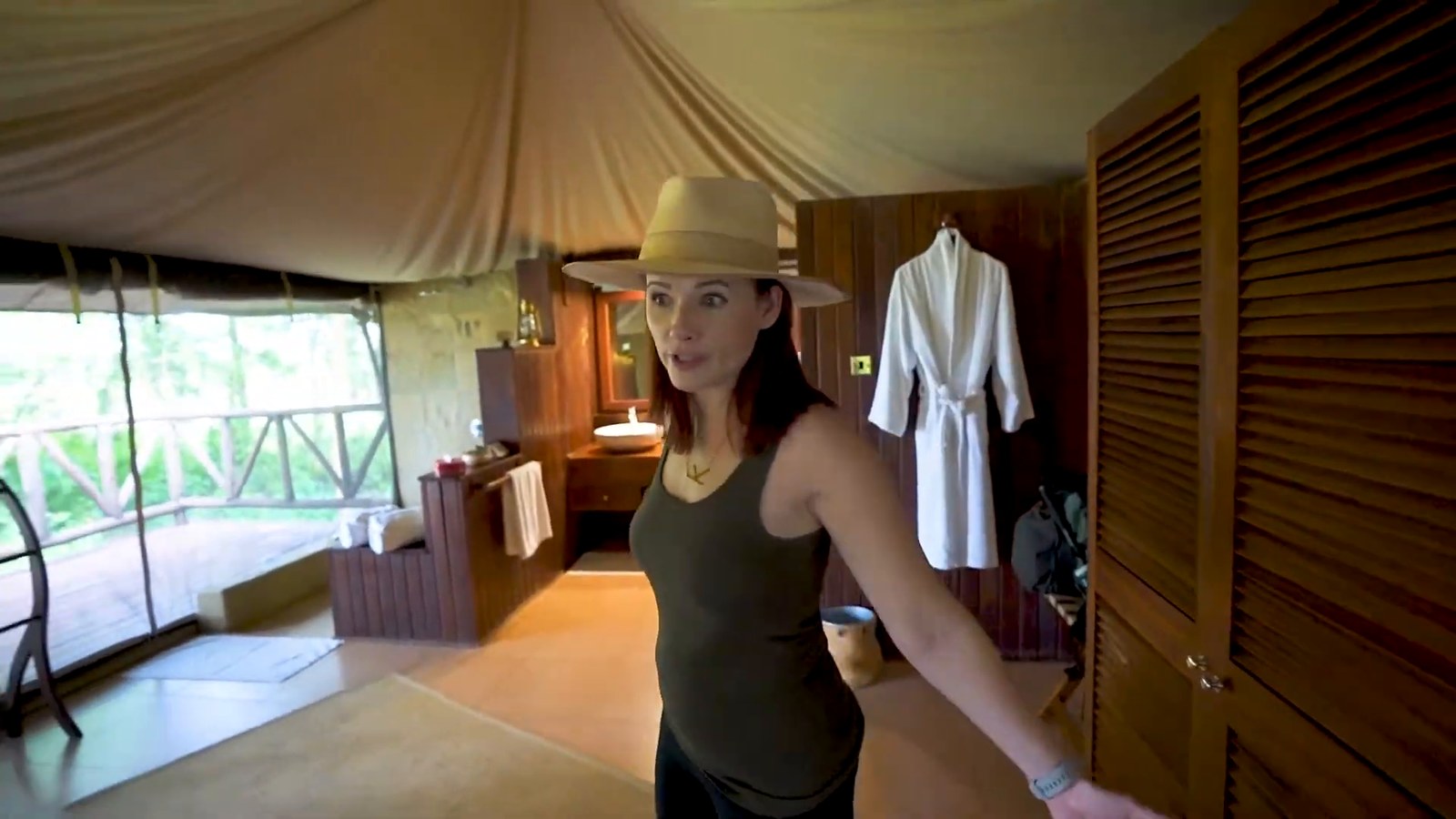
We kept getting distracted during the room tour because hippos were right there in the river below. We could hear them grunting as we were being welcomed, then spent a few hours watching them over drinks before rain sent us inside. With the shower open to that view, the hippos might have had a show, too. Dinner was included—a four-course meal with a couple of choices—and we went to bed full, with an early game drive ahead.
Day one: lions, a cheetah and breakfast in the bush
A lion had roared loudly enough during the night to interrupt sleep, although it was probably some distance away; the camp had an electric fence. We set off before sunrise, heading from the camp in the Mara North Conservancy to the Maasai Mara National Reserve. Those are different places, so we stopped at the reserve gate to pay the separate entry fee before continuing.
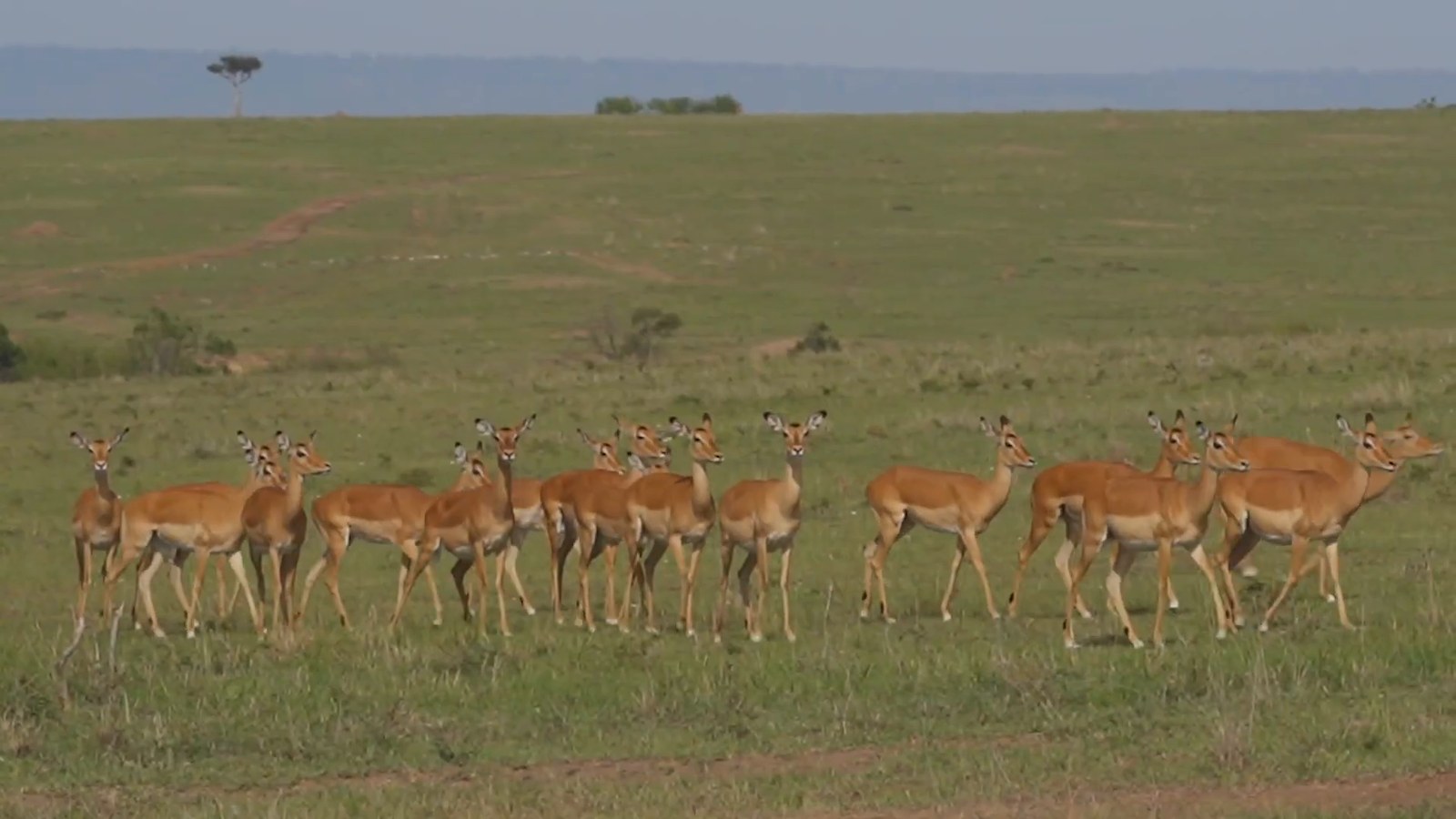
Inside, we found a pride we guessed held a dozen lions or more. Then came a cheetah. Seeing one was a hope, not something we expected to happen on our first drive, and it was a treat. We stopped for a bush breakfast with impalas and gazelles around us and a hyena nearby, then eventually returned to camp after about seven hours out. Lunch came with a view of a giraffe and more hippos.
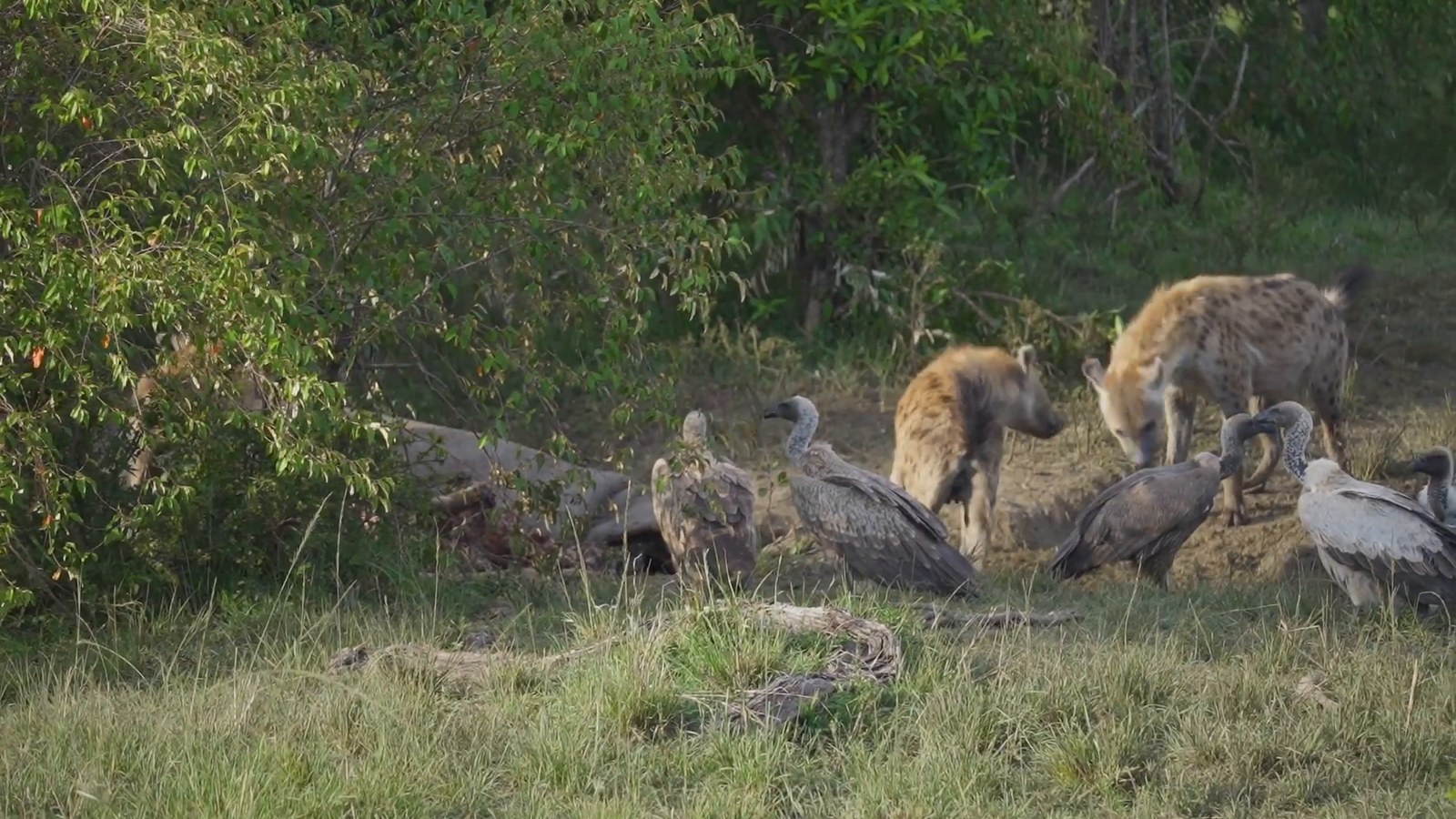
After some time by the pool and a little work, we accepted our guide’s invitation to join a shorter evening drive. We saw hyenas feeding on a carcass.
Day two: elephants, giraffes and an eventful drive
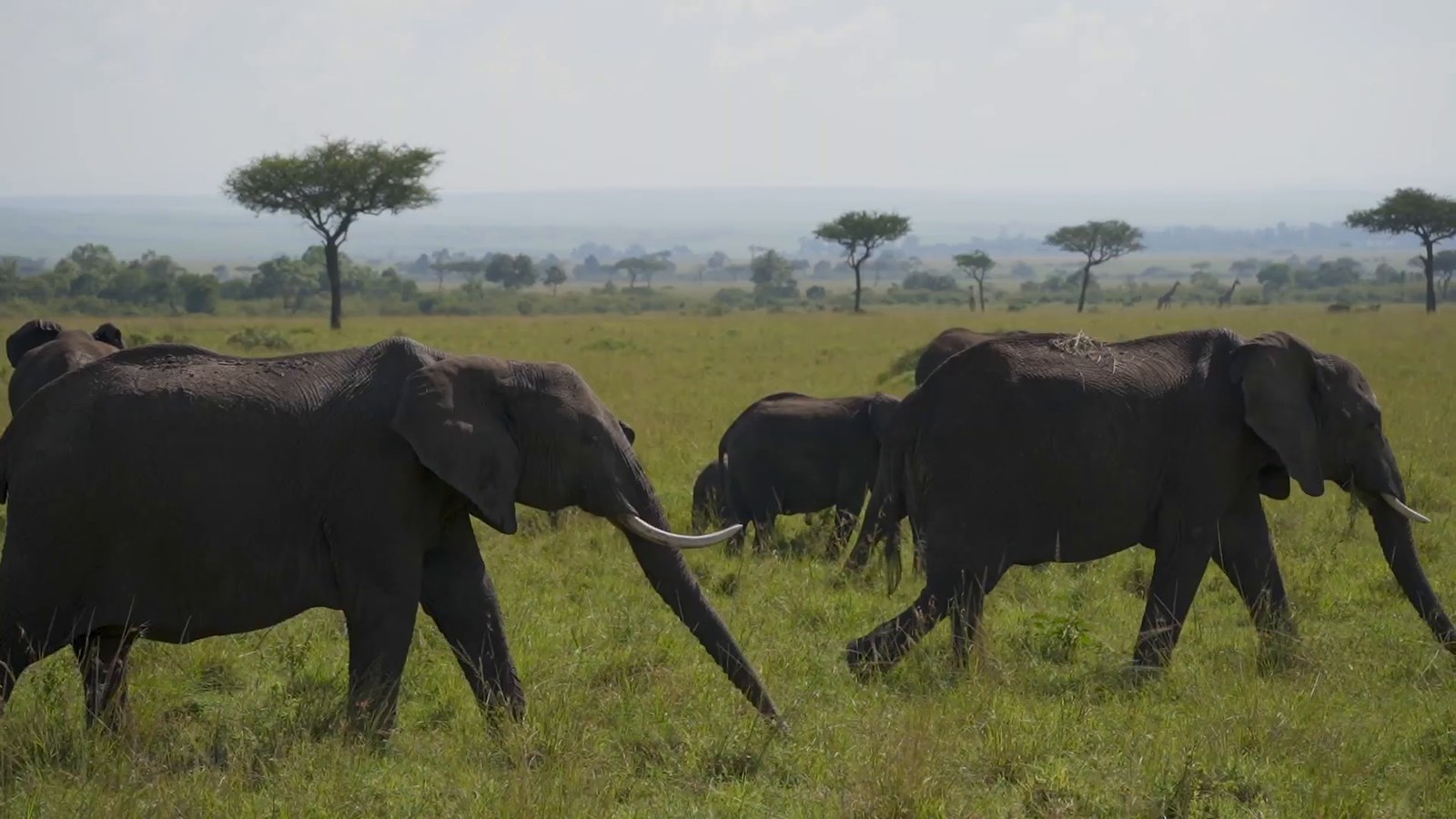
Our second long drive entered through a different gate and took us to another part of the reserve. A herd of about 15 elephants, including babies, walked in front of our vehicle. Later we came across 17 giraffes. We’d seen female lions on the first day; this time, we saw males. Partway through the day, leopard and rhino were the two big-five animals we still hadn’t seen, though we’d seen both on an earlier safari in South Africa.
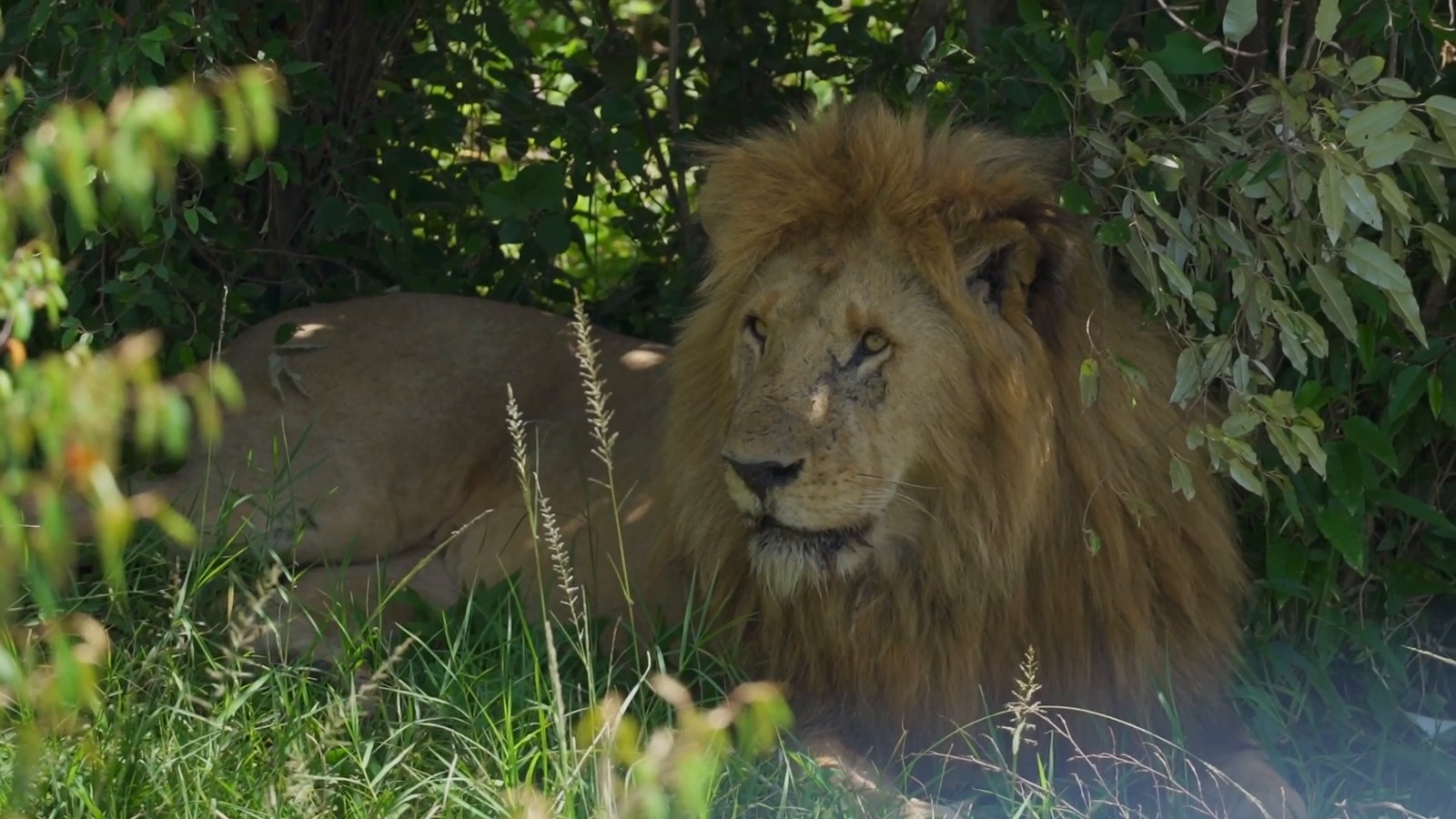
At lunch, prosecco appeared for Kelly’s birthday. About five minutes after we left the lunch spot, we found more lions—and got stuck in mud near them. A little rocking back and forth got us free, so getting out to push never became necessary. We continued as far as the pillars marking the Tanzania border, with the Serengeti on the other side. A flat tire followed later, this time with a couple of giraffes in view rather than lions.
What our all-inclusive camp rate left out
Our previous safari in South Africa had included game drives, so we expected the same when we booked an all-inclusive camp. At Neptune Mara Rianta, the meals and drinks were included, but the two main game drives were an additional charge. Entry to the national reserve was another separate, per-person daily fee. At the gate, we paid by card because we hadn’t brought cash; it worked, though cash seemed to be preferred there during our visit.
Location matters just as much as inclusions. The land around the national reserve is run as conservancies and community partnerships, and our camp was in the Mara North Conservancy, not inside the reserve. From there, the drive to the reserve gate was long and very bumpy; our own estimates range from roughly 40 minutes to an hour each way, so ask your camp for its current figure. Lodges also exist inside the reserve, so if that transfer sounds like too much time in a vehicle, compare locations before you choose a camp.
What to budget for on a fly-in Mara safari
None of these is a price, because prices change, but these are the separate categories we ran into. Ask for each one before you book.
- The flight. We bought ours separately from the camp. Flying was the alternative to a long drive from Nairobi.
- The camp stay. Ours was all-inclusive for food and drinks. The camp’s own page, Neptune Hotels’ page for Neptune Mara Rianta, is the place to check what it covers now.
- The airstrip transfer. Ours was waiting; check whether yours is part of the rate.
- Game drives. Charged per person, per drive, on top of our camp rate.
- Reserve entry. A separate per-person daily fee, paid at the gate. Cash is the safer choice; our card worked but seemed inconvenient for the staff there.
- Tips. We tipped the camp staff, so leave room in the budget.
Is the Maasai Mara worth it for a short safari?
Yes. Two game-drive days gave us lions, a cheetah, elephants, giraffes and plenty of reasons to keep looking out of the vehicle. The small plane was worth it for us, and the camp was wonderfully comfortable. Our sightings were ours, though—not a promise of what you’ll see on yours.
Before you book, ask your camp what its rate covers, where it sits relative to the reserve gate, how you’ll get there and how entry is paid. Confirm flight details and luggage rules directly with Safarilink. We’d recommend a few days in the Mara without hesitation. We’d just read the inclusions before getting distracted by the hippos.
Image credits: the photo of the acacia tree and safari vehicle near the top is by Daniel Case, licensed CC BY-SA 4.0, via Wikimedia Commons (source). The featured image, a giraffe at sunset, is by Weldon Kennedy, licensed CC BY 2.0, via Wikimedia Commons (source). Both show the Maasai Mara but were not taken on our trip. The other photos are stills from our own videos of this trip.
