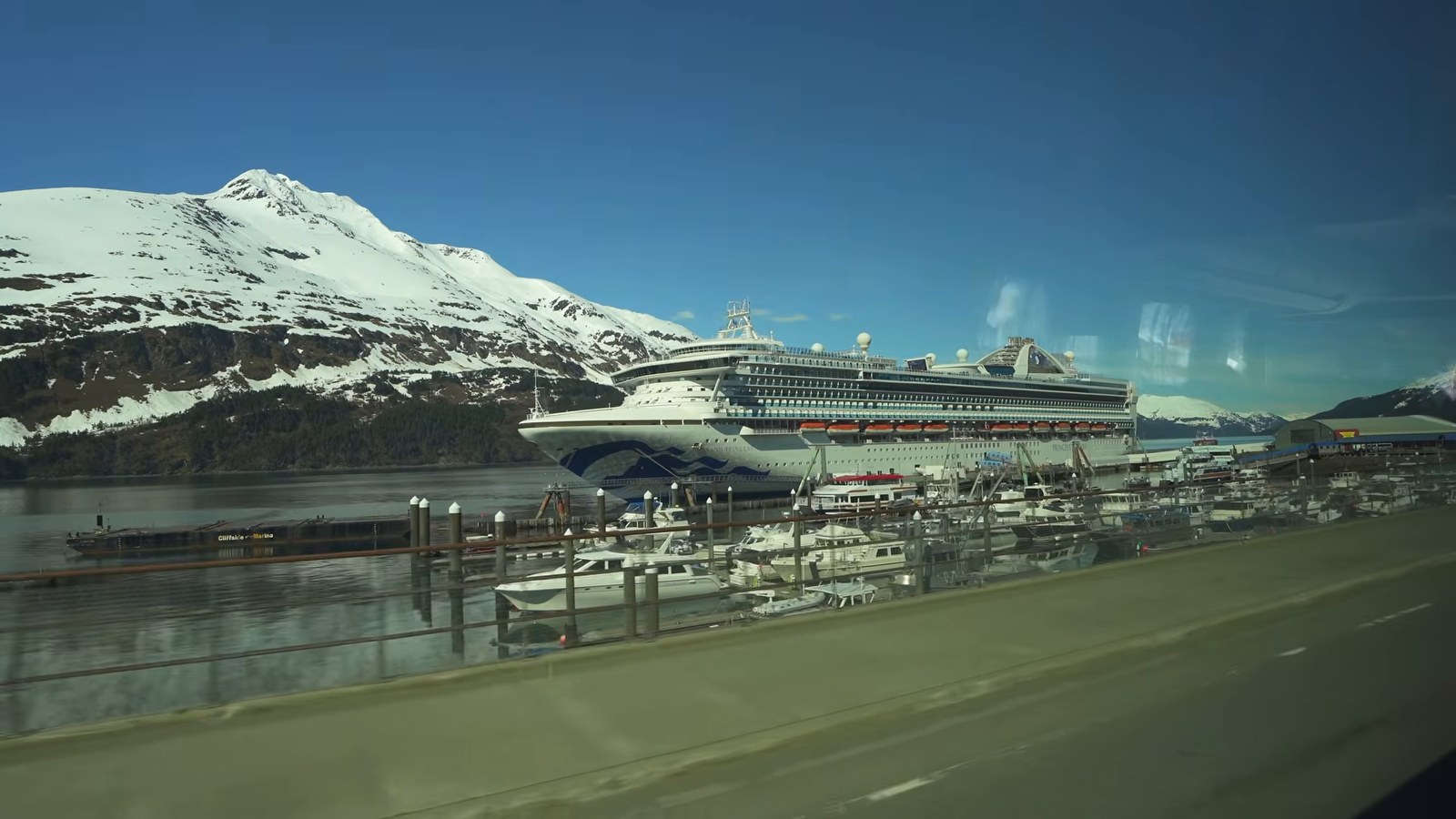
Most people planning their first Alaska cruise ask the same question: what does a week on the water actually look like, day by day? We sailed a 7-day Princess cruise from Anchorage south through Glacier Bay National Park and Alaska’s Southeast Panhandle to Vancouver, and filmed every leg of it. Here’s exactly how our week went, port by port, including which excursions were worth the money and which ones we’d skip.
We sailed in May, early in the Alaska cruise season, on the Grand Princess. We paid our own way. Below is the whole trip in order: getting to the ship, two days at sea and in Glacier Bay, three port days in Skagway, Juneau and Ketchikan, and the last sea day into Vancouver.
This article contains affiliate links. If you book or buy through one, I may earn a commission at no extra cost to you.
The itinerary at a glance
Fly into Anchorage, then it’s a bus or train to the port of Whittier to board the ship. From there: two days of scenic cruising, including a full day in Glacier Bay National Park, then three port days down the Inside Passage in Skagway, Juneau and Ketchikan, one more full day at sea, and disembarkation in Vancouver, British Columbia. Southbound Anchorage/Whittier-to-Vancouver sailings like ours are sometimes marketed as “Voyage of the Glaciers” itineraries; a northbound version runs the same route in reverse.
Getting from Anchorage to the ship
There’s no cruise terminal in Anchorage itself, so step one for almost everyone is getting about an hour south to Whittier or Seward, the two ports Alaska cruises actually use. We sailed out of Whittier. You’ve got two real options to get there: a motor coach (we booked through Park Connection, about a two-hour ride) or the Alaska Railroad. We wanted the train, but it was already sold out by the time we booked, so we took the bus.
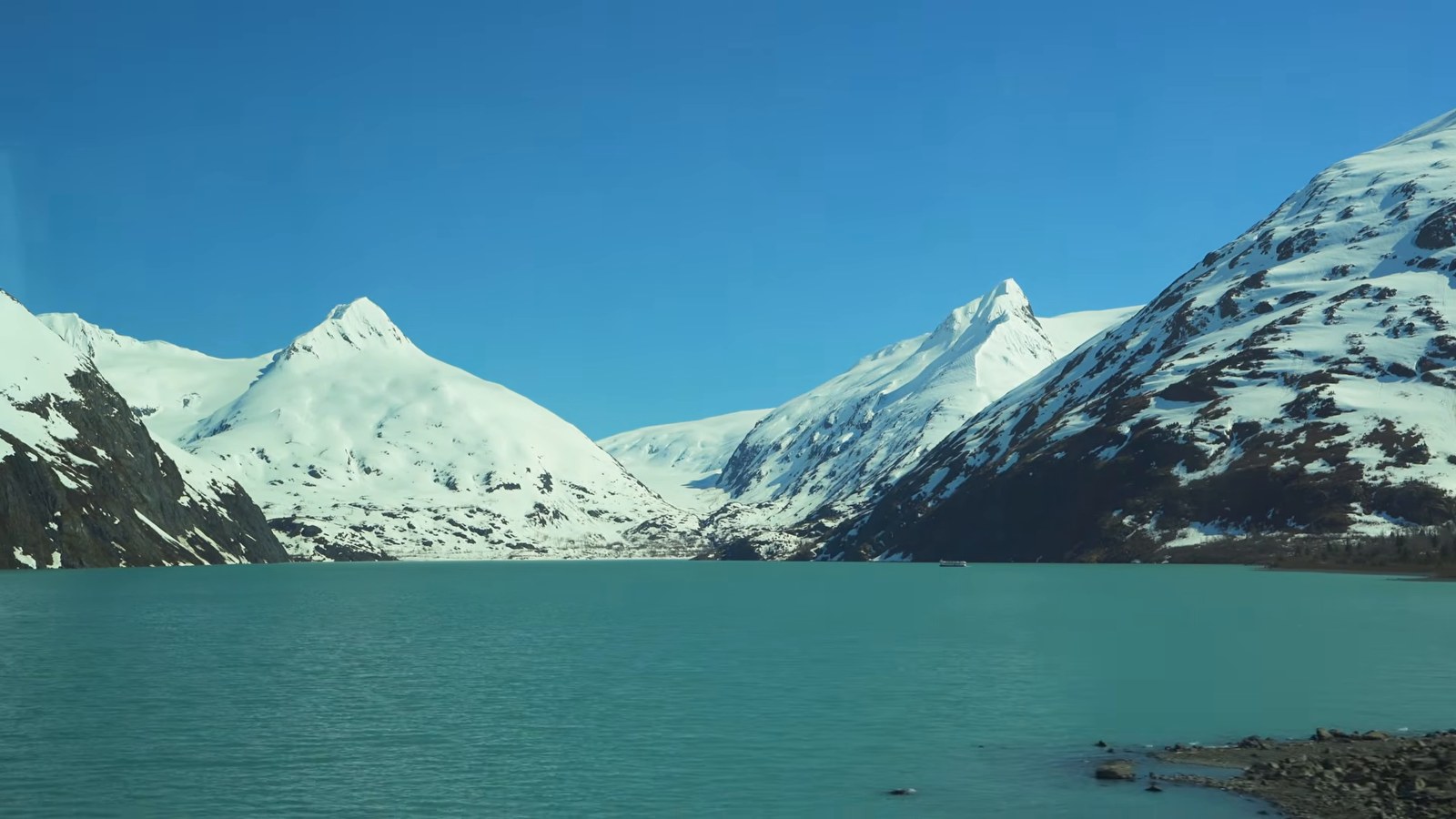
The drive is a big part of the experience on its own. You follow Turnagain Arm, with the water on one side and snow-covered mountains on the other, and we spotted a moose, a bald eagle and some Dall sheep along the way without even trying. The only way into Whittier is through the Anton Anderson Memorial Tunnel, a roughly 2.5-mile single-lane tunnel that cars share with the Alaska Railroad on a timed schedule — vehicles run one direction, then the other, then make way for a train, on a repeating cycle. It sounds alarming the first time someone tells you your bus is about to drive down the train tracks, but it’s routine and very well organized.
Embarkation day
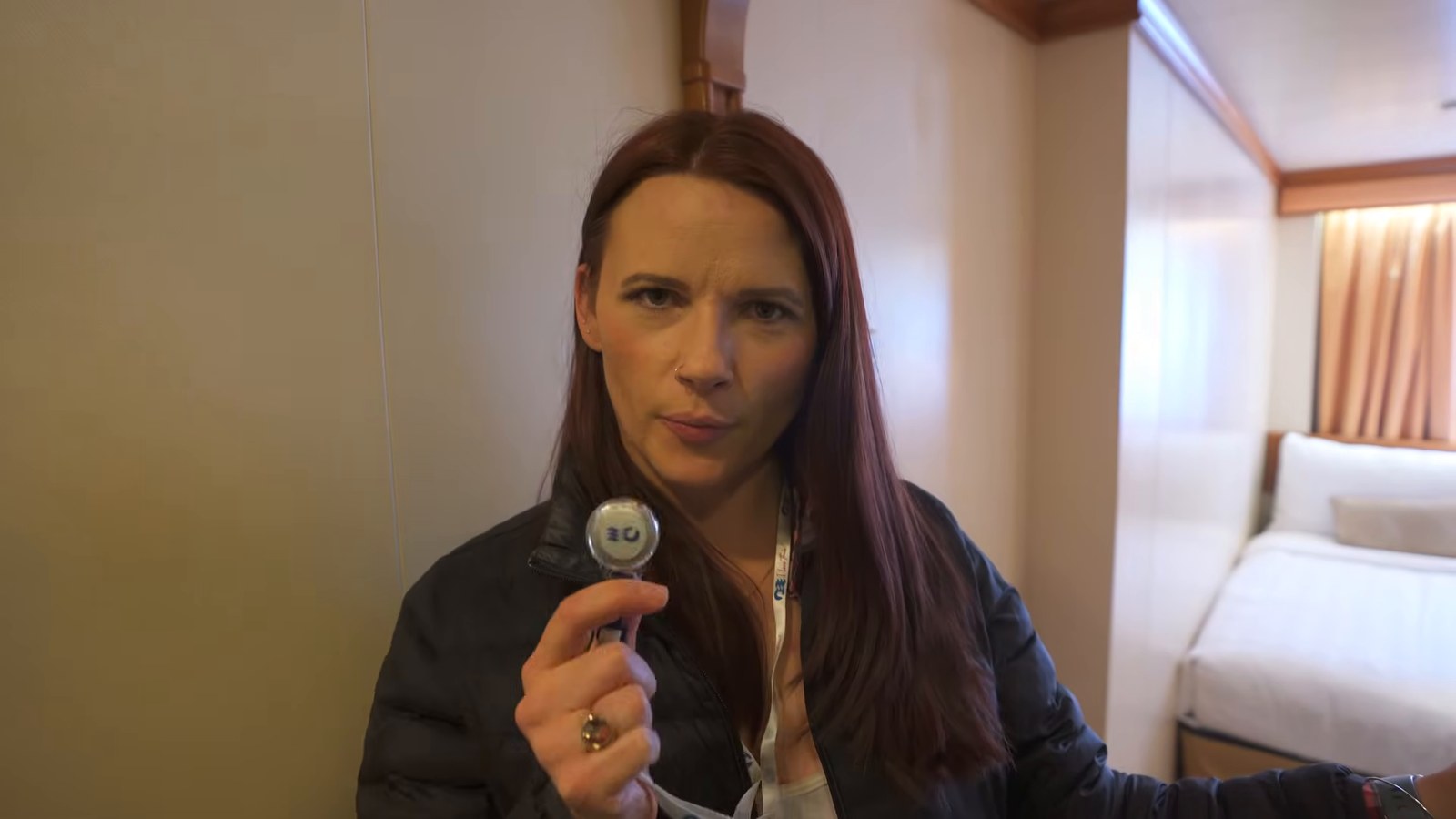
Once you’re at the port, check-in was quick: they checked our passports and handed us our Princess Medallions, a small disc that works as your room key, your onboard payment method, and (through the Princess app) a way to find dining times, make reservations and see the ship’s layout. You can have your Medallion mailed to you ahead of time to skip part of the line; we didn’t bother. Our luggage went straight from the motor coach to the ship without us touching it again, which was a nice surprise. Security screening was standard — metal out of your pockets, jacket off — so keep medication, camera gear and anything else you want for the next couple of hours on your person rather than in checked bags. You’re allowed two bottles of wine per cabin in your checked luggage and nothing else alcohol-wise.
We’d booked an ocean-view cabin with a window, which cost only a little more per person than an interior room — worth it to us, since interior cabins have no window at all and can feel very dark when you’re trying to adjust your sleep schedule. The rooms themselves are smaller than a typical hotel room (some configurations fold or drop extra beds from the wall or ceiling to sleep up to four), but ours had everything we needed: USB chargers built into the bedside lamps, blackout curtains, a decent-sized desk and storage area, a phone, a small bar nook with an empty mini-fridge, and a compact bathroom with a shower. The cabin door actually unlocks on its own as you approach wearing your Medallion, which felt like a small bit of cruise-ship magic the first time it happened. Instead of an in-person muster drill, our safety briefing was delivered through a video on the Princess app — easier, if a little less memorable.
Life aboard the Grand Princess: two days at sea and in Glacier Bay
We left Whittier around 9:30pm, and because it was early in the season, it was still light outside that late. The next two days were scenic cruising days, which gave us time to actually explore the ship before the port stops started.
The Grand Princess was built in 1998 and last refurbished in 2019. Our honest take: it feels a little dated, but nothing felt worn out, and it has a classic, grand-cruise kind of charm rather than the sleeker look of some newer ships. There are three main dining rooms (one of them runs an afternoon high tea on certain days, which we tried and loved), a large buffet with grab-and-go pizza, burgers and ice cream nearby, 11 further bars and restaurants, 7 lounges, a two-level theater, an art gallery that runs daily auctions (you can get a free glass of champagne just for showing up, no bidding required), four pools — including two side-by-side on the top deck, one indoor and one out, handy for an Alaska sailing — plus hot tubs scattered around the ship. Our favorite hot tub was tucked at the back of the ship, mostly empty because it’s cold back there, with genuinely incredible views.
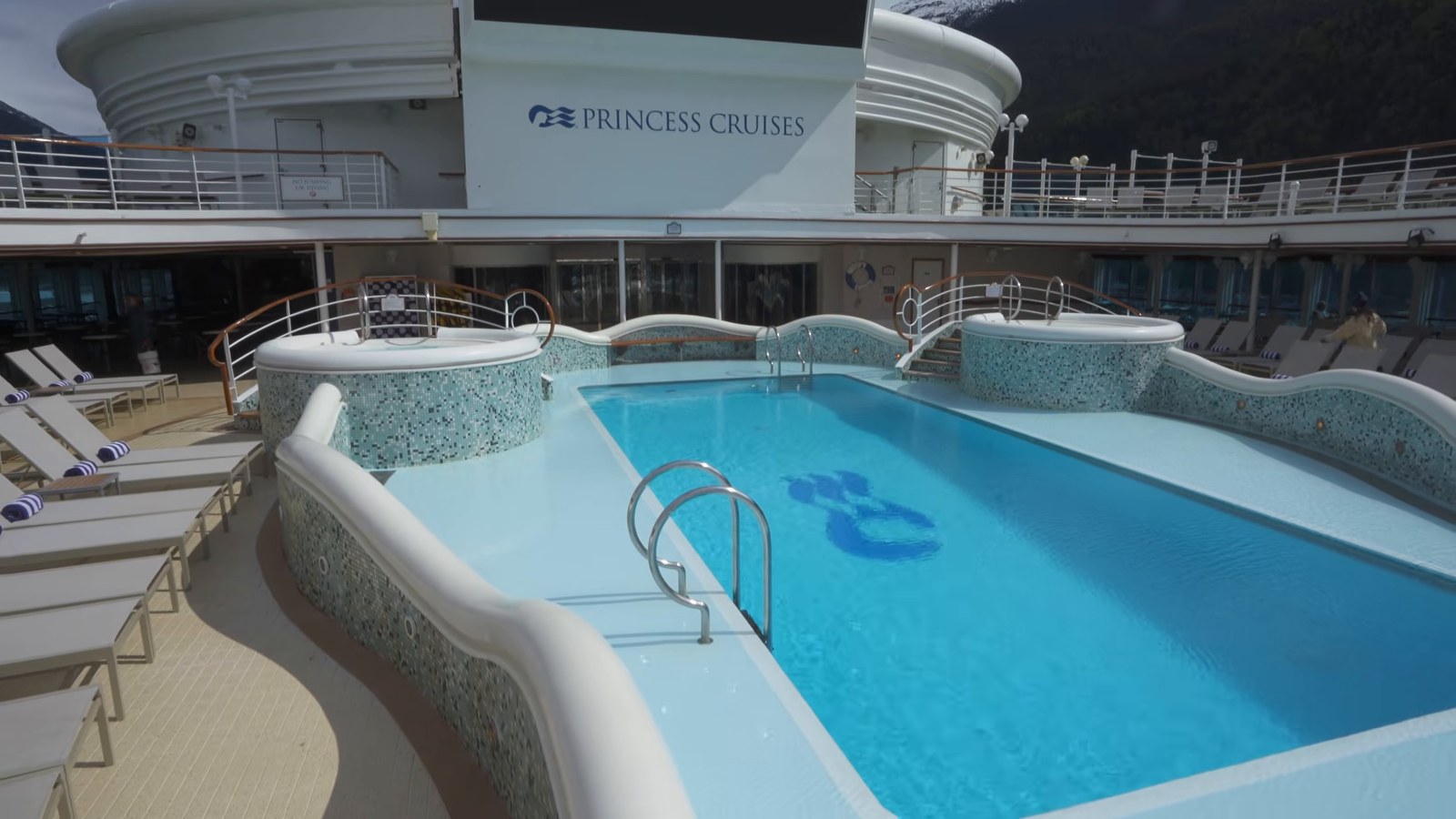
We bought the Princess Plus drink package at a discounted rate when we boarded rather than the pricier Princess Premier tier. The math that made it worth it for us wasn’t really about the alcohol allowance — it was that the package also covers Wi-Fi and gratuities, both of which we’d have paid for anyway, so the extra cost for drinks on top of that felt small. If you’re deciding between packages, work out what you’d spend on Wi-Fi and tips regardless of drinking, and see how much is really left to weigh against the alcohol.
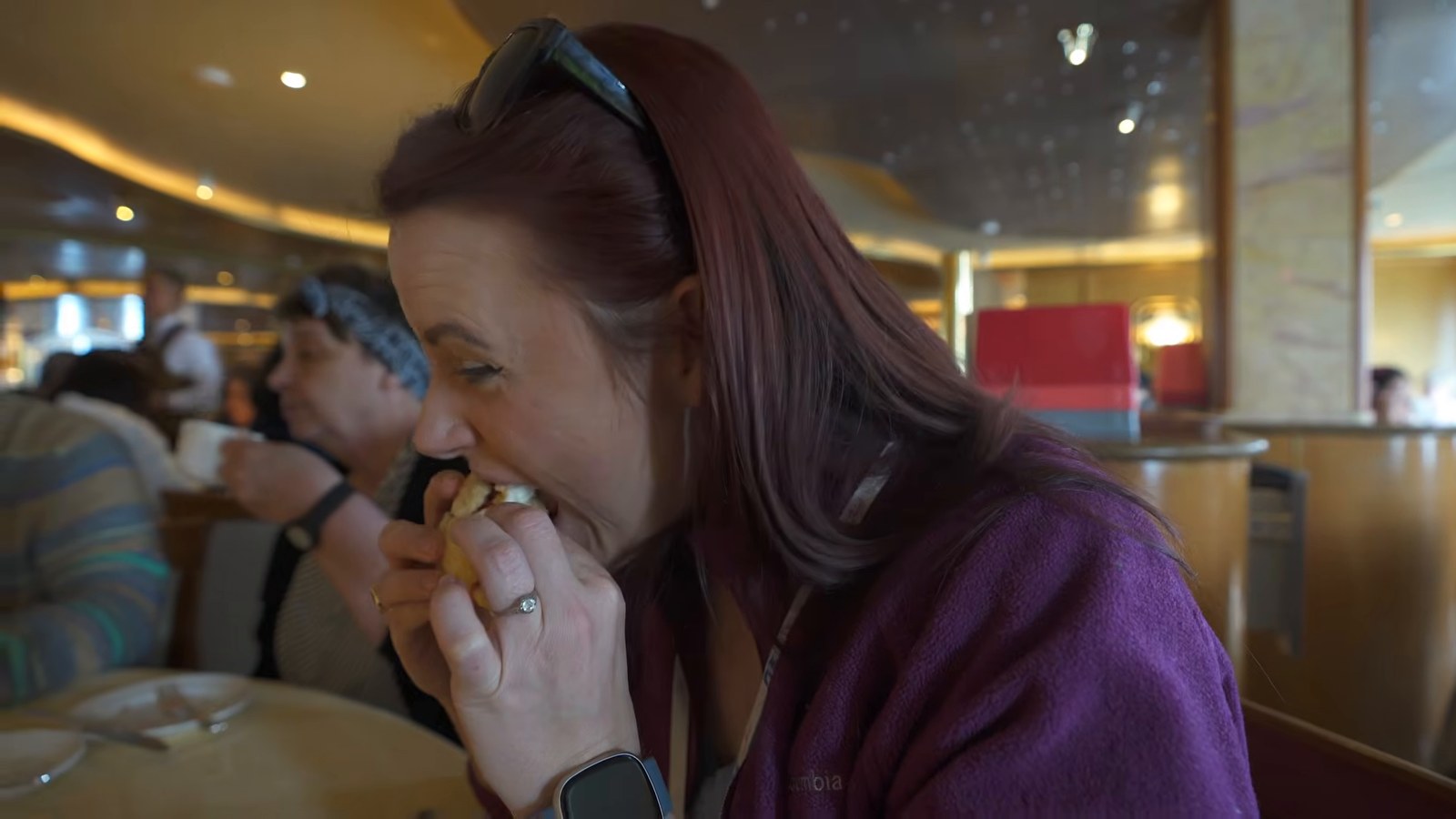
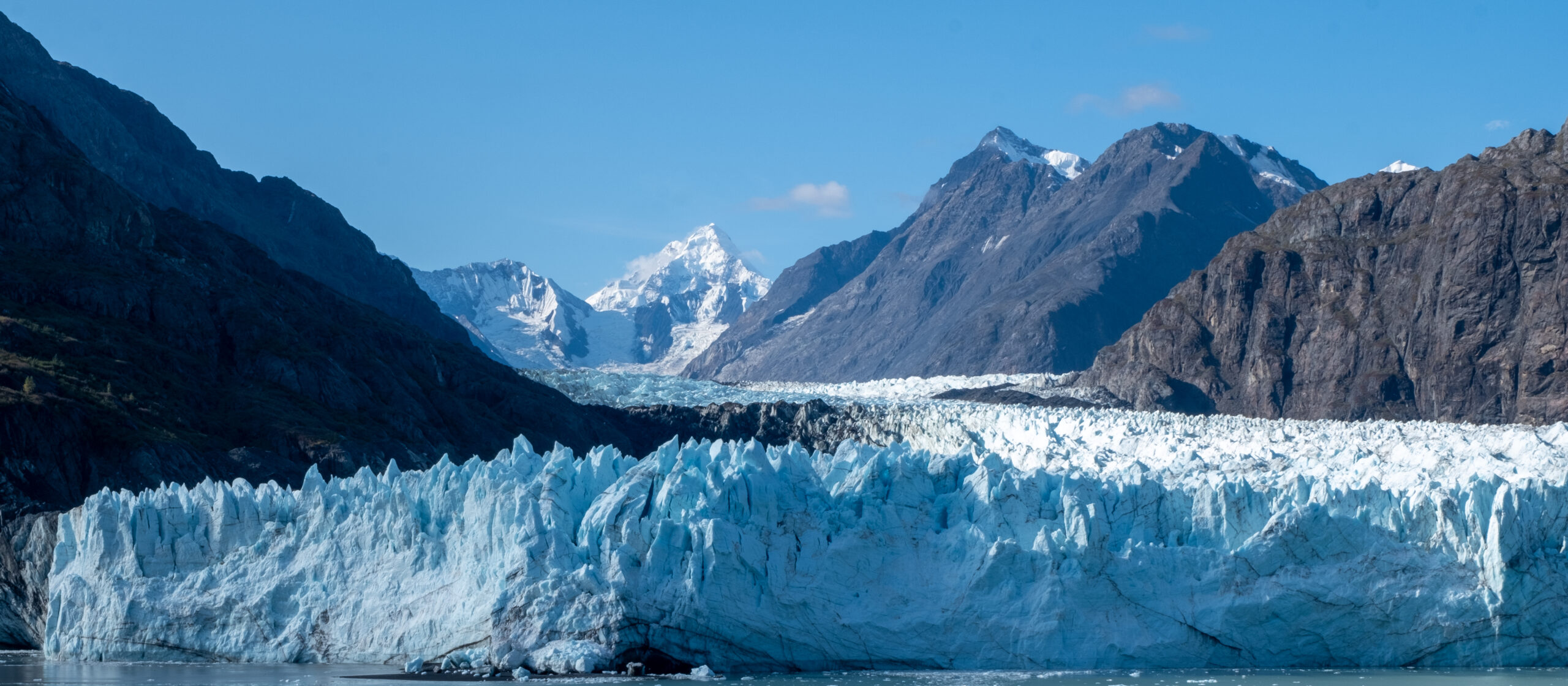
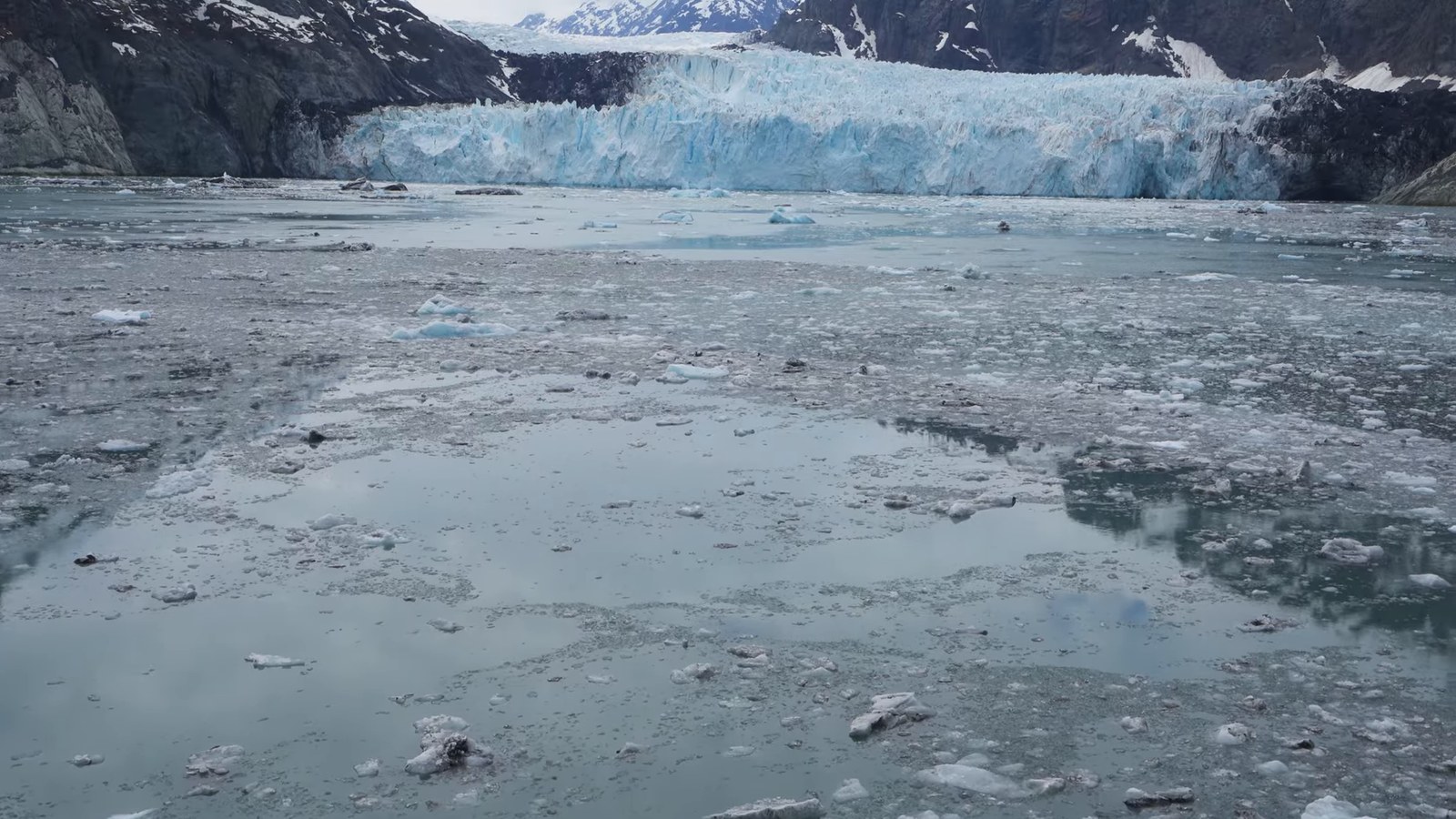
The actual highlight of these two days was the morning we spent cruising Glacier Bay National Park. There’s no option to get off the ship here — the park doesn’t allow cruise ships to dock, so the entire visit happens from the deck as the ship spends hours moving between different glaciers. It sounds like it could be a letdown, but it wasn’t: the scenery is dramatic enough on its own, and we were lucky enough to spot a bald eagle perched right on top of an iceberg, which still might be the most “Alaska” thing either of us has ever seen.
Skagway: the White Pass & Yukon Route railroad
Skagway was our first chance to actually get off the ship, and we’d pre-booked an excursion through the cruise line: the White Pass & Yukon Route railroad, a narrow-gauge train built during the Klondike Gold Rush that climbs from sea level up to the White Pass summit, roughly 2,900 feet up, right at the Canadian border (no passports needed since you turn around at the top rather than crossing). It cost noticeably more than any other shore excursion we considered, which felt steep in the moment, but it’s genuinely one of the most scenic short train rides either of us has done — narrow tracks hugging the mountainside, old collapsed trestles, waterfalls, and views that got better the higher we climbed.
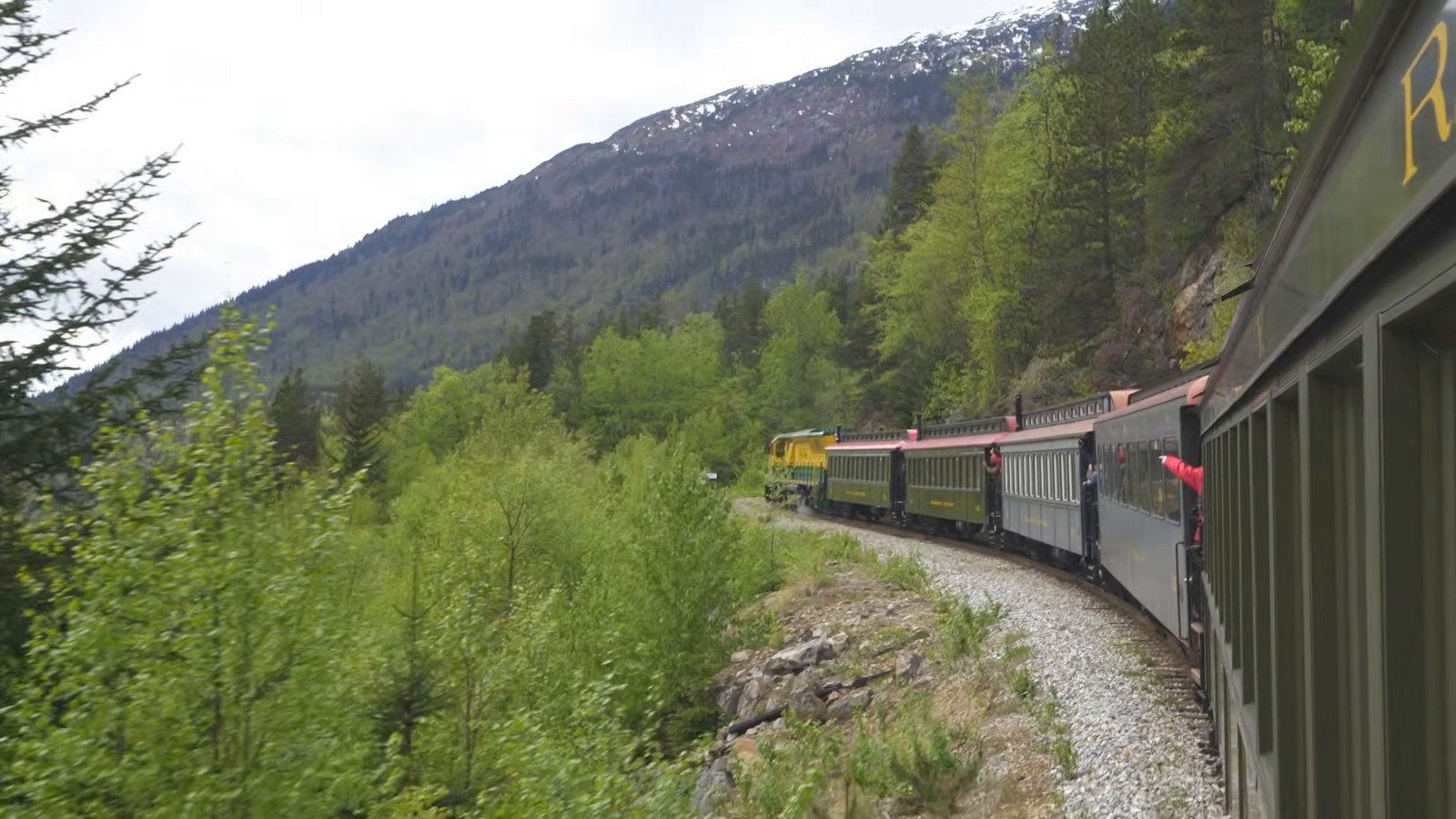
Our honest verdict: yes, book it. It’s consistently the most popular excursion sold in Skagway, and we understood why by the time we got back down.
The round trip took about two to two and a half hours, which left us a few hours of free time in town afterward. We wandered through the free Klondike Gold Rush National Historical Park museum and stopped into the Red Onion Saloon, a former brothel turned into a lively, deliberately cheesy restaurant and bar (they also run a paid brothel-museum tour upstairs, which we skipped).
If you’d rather skip the train or it’s sold out by the time you book, there are independent alternatives worth comparing — including shorter bus tours up to the summit. You can browse current Skagway shore excursions on GetYourGuide to see what’s running when you sail.
Juneau: a return visit, this time by ship
Juneau was our second port, and it’s worth saying upfront: this wasn’t our first time there. We’d explored Juneau on an earlier Alaska trip years before this cruise, so this time we didn’t film a separate deep-dive video of the town itself — just the day as it actually happened on this sailing.
We booked a whale-watching excursion through a local operator, Juneau Tours and Whale Watch, picked up directly from the dock rather than needing to get ourselves downtown. They took us out to Auk Bay, and the whale-watching that day was incredible — we saw roughly a dozen humpback whales, close enough at one point that we got sprayed by a whale’s blowhole, which smells exactly as bad as you’d imagine.
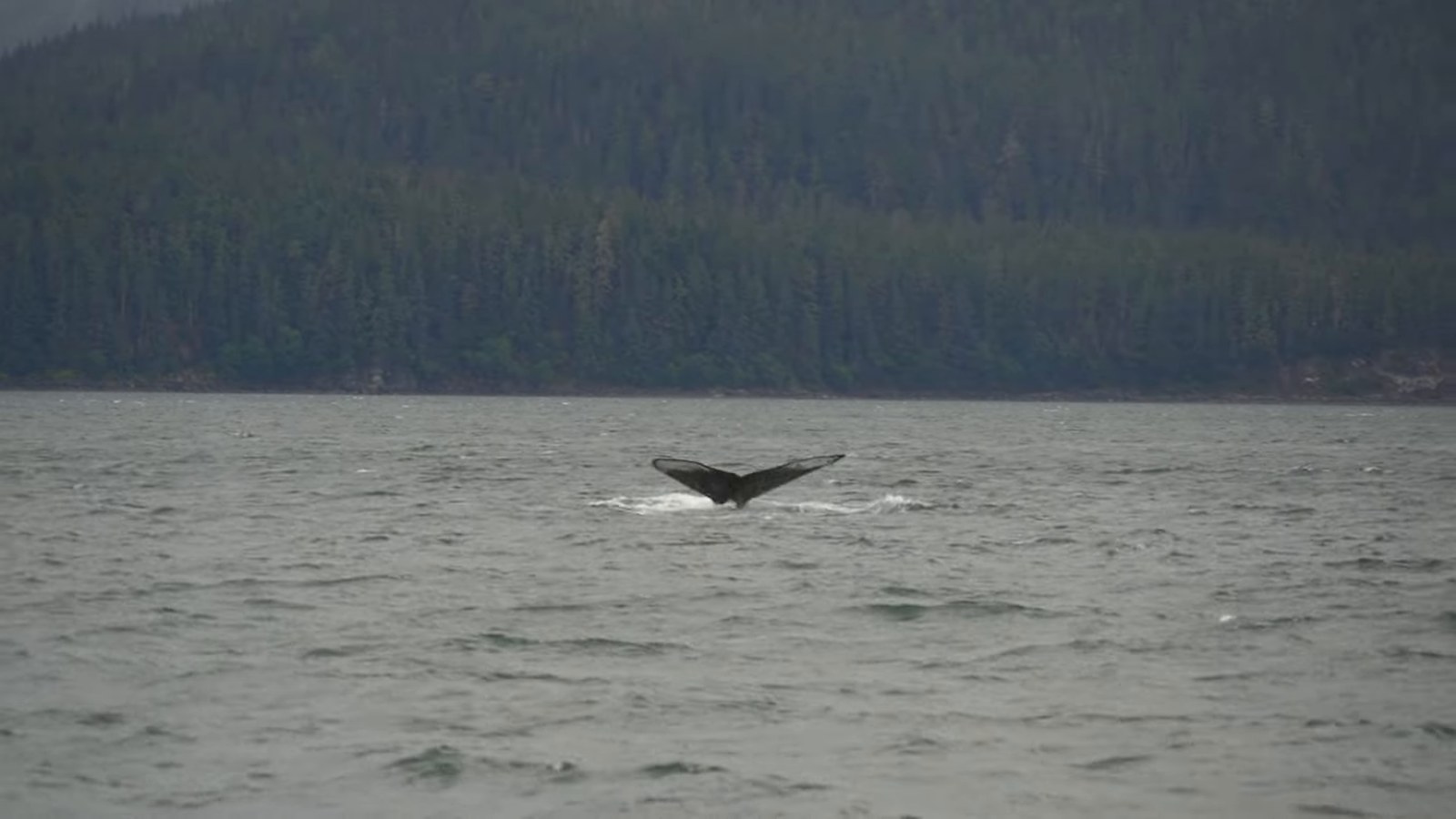
After the boat, we made our way to Mendenhall Glacier. You can see the glacier from a distance, but you can’t walk right up to it anymore; it has receded quite a bit over the years. The short hike out to Nugget Falls nearby is worth doing regardless. If you’ve got extra time and like a bit of history, the Treadwell Mine ruins on Douglas Island are an easy add-on.
Whale watching paired with a Mendenhall Glacier stop is one of the most commonly booked excursions in Juneau, and for good reason — you can compare current Juneau whale-watching and Mendenhall Glacier tours on GetYourGuide if you want to see what’s available for your sailing.
Ketchikan: the husky walking tour
By Ketchikan, our third and final port, we were ready for an easier day after splurging on the Skagway train. We’d heard about a walking tour through town led by real Alaskan sled dogs and couldn’t pass it up. Our two guides, a pair of 13-year-old huskies named Scarlet and Quinn, set a relaxed, dog-paced stroll through the forest on the outskirts of town and along Ketchikan Creek, past a salmon ladder, and into Creek Street — Ketchikan’s old red-light district, now lined with gift shops and restaurants built out over the water. It was a genuinely fun, low-key way to see parts of town we’d never have found walking on our own. Our verdict: we’d absolutely recommend it, especially if you’ve already done a bigger excursion elsewhere on the trip. Afterward we grabbed seafood chowder at Annabelle’s, a local spot that’s been serving chowder and sourdough since 1927.
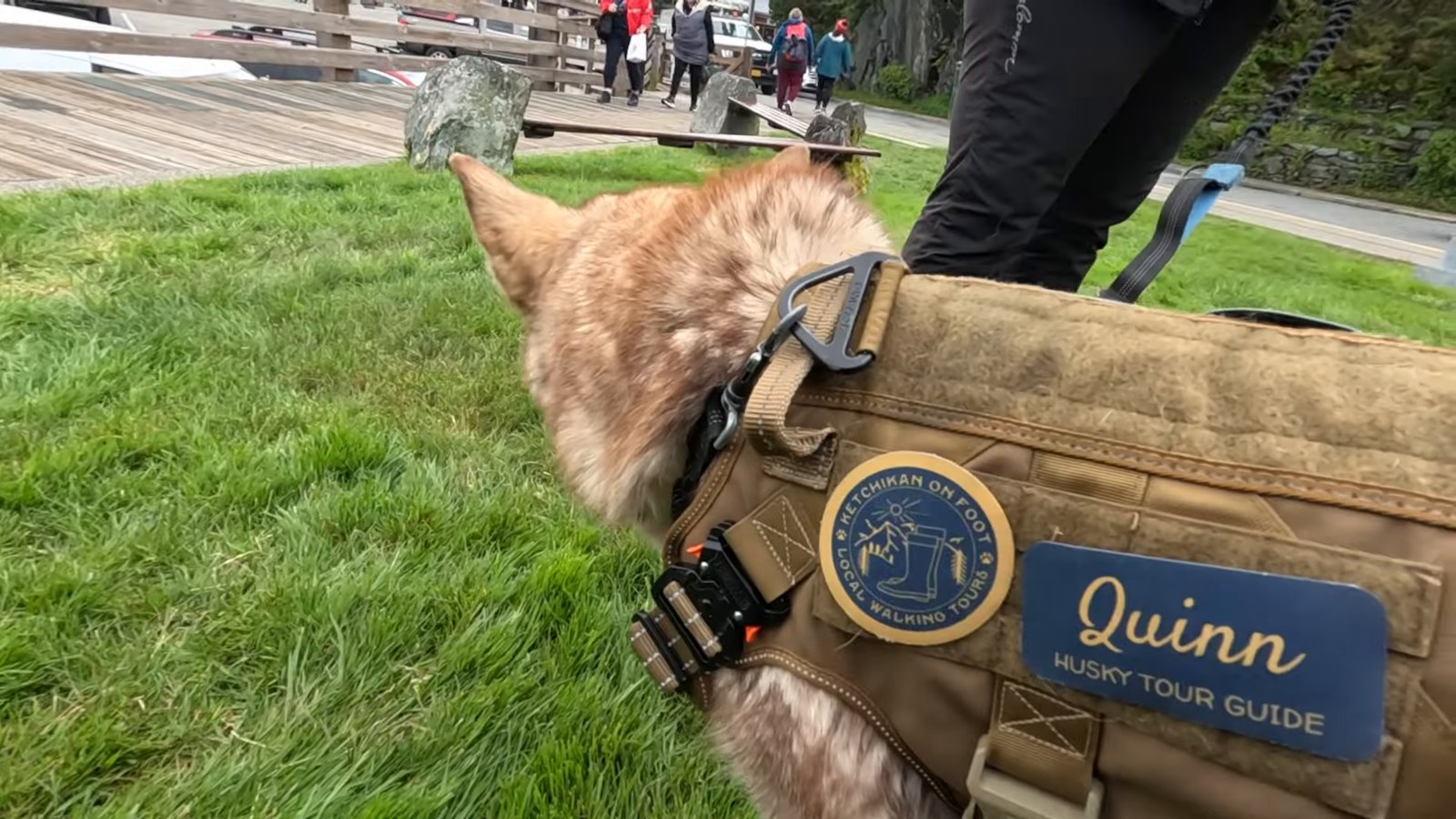
Ketchikan sits inside the Tongass National Forest, the largest national forest in the US and the largest contiguous temperate rainforest in the world — which also explains why it was cool and damp the whole time we were there.
The last sea day, and disembarking in Vancouver
Our final full day was another sea day, a good chance to finish exploring the ship and pack before an early disembarkation the next morning in Vancouver, British Columbia. By that point the week had gone by fast — two sea days, three very different port days, and a lot more wildlife than we expected to see from a cruise ship deck.
Planning takeaways from our trip
This article contains affiliate links. If you book or buy through one, I may earn a commission at no extra cost to you.
- Book your big-ticket excursions early. The White Pass train in Skagway sells out — it’s billed as the most popular tour in town for a reason.
- Pick a window cabin if your budget allows it. The scenery is a big part of this trip, and the price difference over an interior cabin was small for us.
- Do the drink-package math for yourself. Wi-Fi and gratuities are bundled in, so work out what those alone would cost you before deciding if the alcohol allowance tips it over.
- Don’t expect to get off the ship in Glacier Bay. It’s a from-the-deck experience by design, not a missed opportunity.
- Pack layers even in May. We were in the 40s (Fahrenheit) at several of the ports, with wind off the water making it feel colder.
- Consider travel insurance for a trip like this, given the mix of flights, land transport and a sea voyage all stacked together — we’ve used SafetyWing for trips with this many moving pieces.
If you’re also doing the land portion
If you’re combining this cruise with time in Alaska’s interior, we’ve also written up our honest take on whether the Denali bus tour is worth it, from a separate Alaska trip we took that covered Denali National Park and the drive up from Anchorage.
Alaska cruise itinerary FAQ
Which ports do 7-day Alaska cruises like this one start and end at? Southbound sailings like ours start in Whittier or Seward (both about an hour from Anchorage) and end in Vancouver, British Columbia; northbound sailings run the same route in reverse.
Do you get off the ship in Glacier Bay National Park? No. Cruise ships aren’t permitted to dock there; the entire visit is viewed from the ship as it cruises among the glaciers for several hours.
Is the White Pass & Yukon Route railroad in Skagway worth it? We thought so. It’s pricier than many shore excursions, but the views climbing to the White Pass summit were some of the best of the whole trip, and it’s consistently the most booked tour in town.
What should you pack for a May Alaska cruise? Layers. We saw temperatures in the 40s (Fahrenheit) at the ports, with wind off the water, even though it stayed light out surprisingly late in the evenings.
