By the time we reached Mont-Saint-Michel, we had already spent the day on D-Day sites and stopped for a bunker in a cow field. Dad stayed at the bottom of the steep hill while we climbed toward the abbey. That was this trip in a nutshell: a drive from Paris to see the D-Day sites Dad had wanted to visit for a very long time, with one ambitious evening detour. Dad’s father served in the Battle of the Bulge. If you’re planning something similar, here’s the order we followed, where we based ourselves, and whether that Mont-Saint-Michel detour was worth it.
This article contains affiliate links. If you book or buy through one, I may earn a commission at no extra cost to you.
Our route at a glance
We picked up a car in Paris and based ourselves near Omaha Beach for four days:
-
Day 1, the arrival drive from Paris: pick up the car, drive to our B&B near Omaha Beach and get a first look at the beach.
-
Day 2, our first full sightseeing day: the Memorial Museum Omaha Beach, the beach itself, the Normandy American Cemetery and Pointe du Hoc, followed by dinner in Bayeux.
-
Day 3, our second full sightseeing day: Utah Beach and Sainte-Mere-Eglise, then Mont-Saint-Michel for the evening.
-
Day 4, the return to Paris: Longues-sur-Mer, Arromanches and Pegasus Bridge on the way back.
That order gave us two full days for the main D-Day stops, but Mont-Saint-Michel made the second one long. We saw the village and the outside of the abbey but did not go in, because the abbey closed at six. If going inside the abbey is a priority for you, give Mont-Saint-Michel more time.
Day 1: From Paris to a base near Omaha Beach
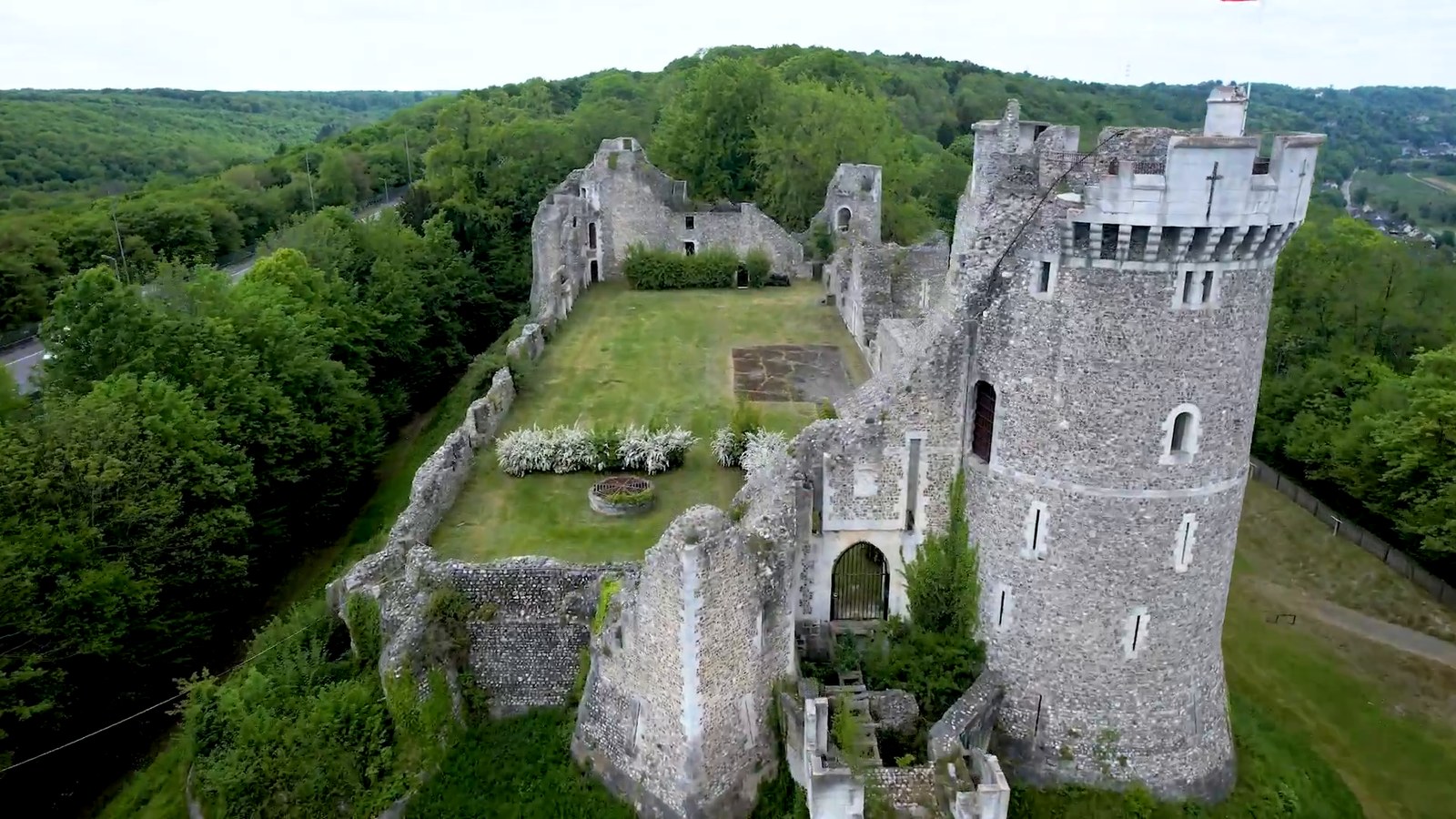
We arrived in Paris, picked up our car the next morning and headed for Normandy. We had guessed the drive would take three to four hours. First came a lunch stop on the edge of Paris, where ordering in French took some stumbling and the meal included steak and fries and a croque monsieur. Then we spotted castle ruins just off the road and, naturally, stopped. That freedom is exactly why we liked having a car; driving straight past a castle would have been very unlike us.
Caen rush hour slowed us down when we were about 40 minutes from our accommodation. Dad needed a bathroom at that point, so we had to find one. The drive was a useful reminder to leave room in your plan for both unexpected stops and delays.
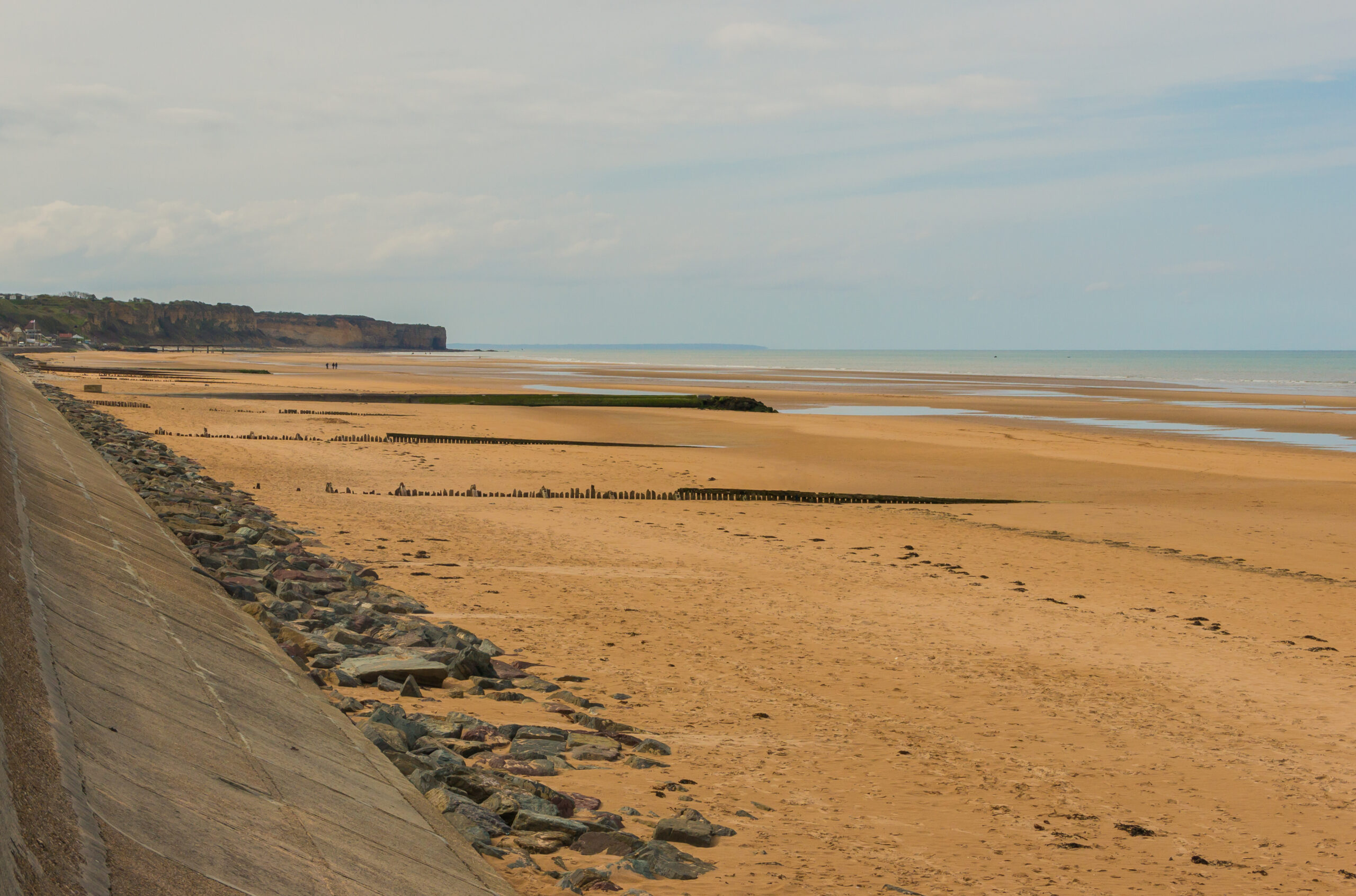
Our base was a tiny, five-room B&B a few minutes from Omaha Beach. Two bedrooms for three people is hard to find in Europe, where a room is usually a queen or king bed plus a sofa bed. Dad was turning 69 that day, and a sofa bed is not such a great thing for that. The rooms had separate entrances, and there was a small kitchen downstairs with a fridge and microwave. The owner was extremely nice and helpful, and told us about a beach about a five-minute walk away. We went down for a look; Omaha Beach was just beyond the cliffs. Dad has watched so many movies and documentaries about this place, and now he got to see it in real life.
Day 2: Omaha Beach museum, beach and American Cemetery
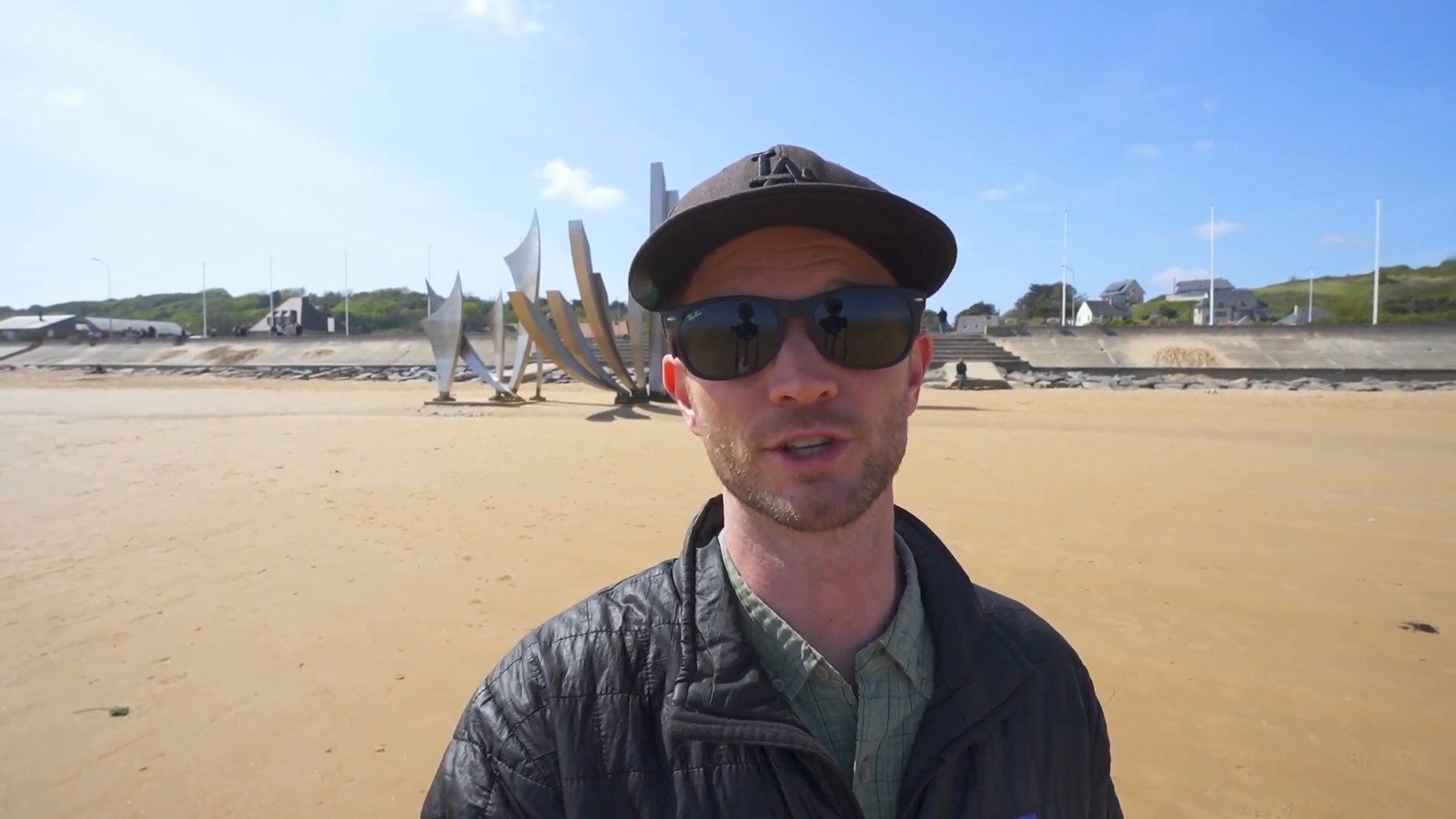
We started our first full day at the Memorial Museum Omaha Beach, about ten minutes from our B&B. We spent roughly an hour there, including an English-language film about the landing, and saw items excavated from Omaha Beach. The beach itself was beautiful, which was a surprise. There’s a large memorial there, and a short way from the main section we found an old gun emplacement with a bunker we could step inside.
After lunch, we went to the Normandy American Cemetery for the free English walking tour our B&B host had told us about, which our host said ran at two o’clock every day. The tour we joined was free and lasted about an hour. Visiting a cemetery where we had no relative buried felt a little strange at first, but the guide’s personal stories made it emotional and worthwhile. An hour was plenty, and it made the visit richer.
What’s available now: that was our experience on our visit. The American Battle Monuments Commission, which runs the cemetery, now lists free daily guided tours through the summer season into fall, in English at 11 a.m. and 2 p.m. CET, starting at the Overlook inside the cemetery, with no reservation needed. Outside that season, times may differ, and the cemetery takes requests for group visits and special tours, so check the ABMC page before you plan around a tour.
Day 2, afternoon: Pointe du Hoc and dinner in Bayeux
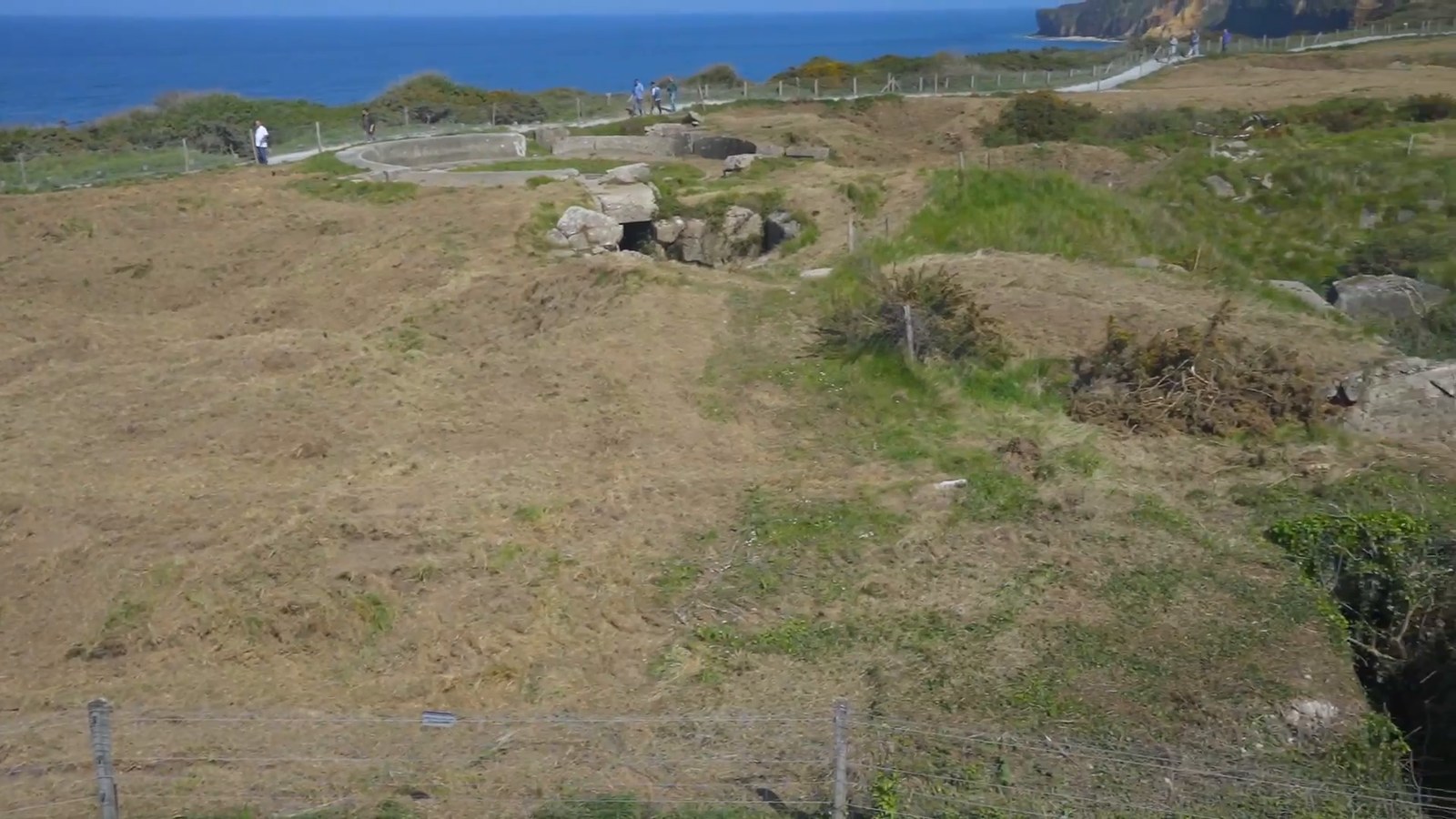
Pointe du Hoc was our next stop. Army Rangers had come here to take out a German gun on the cliff, and many lost their lives. The ground was still pockmarked with bomb craters; we also spotted bullet holes.
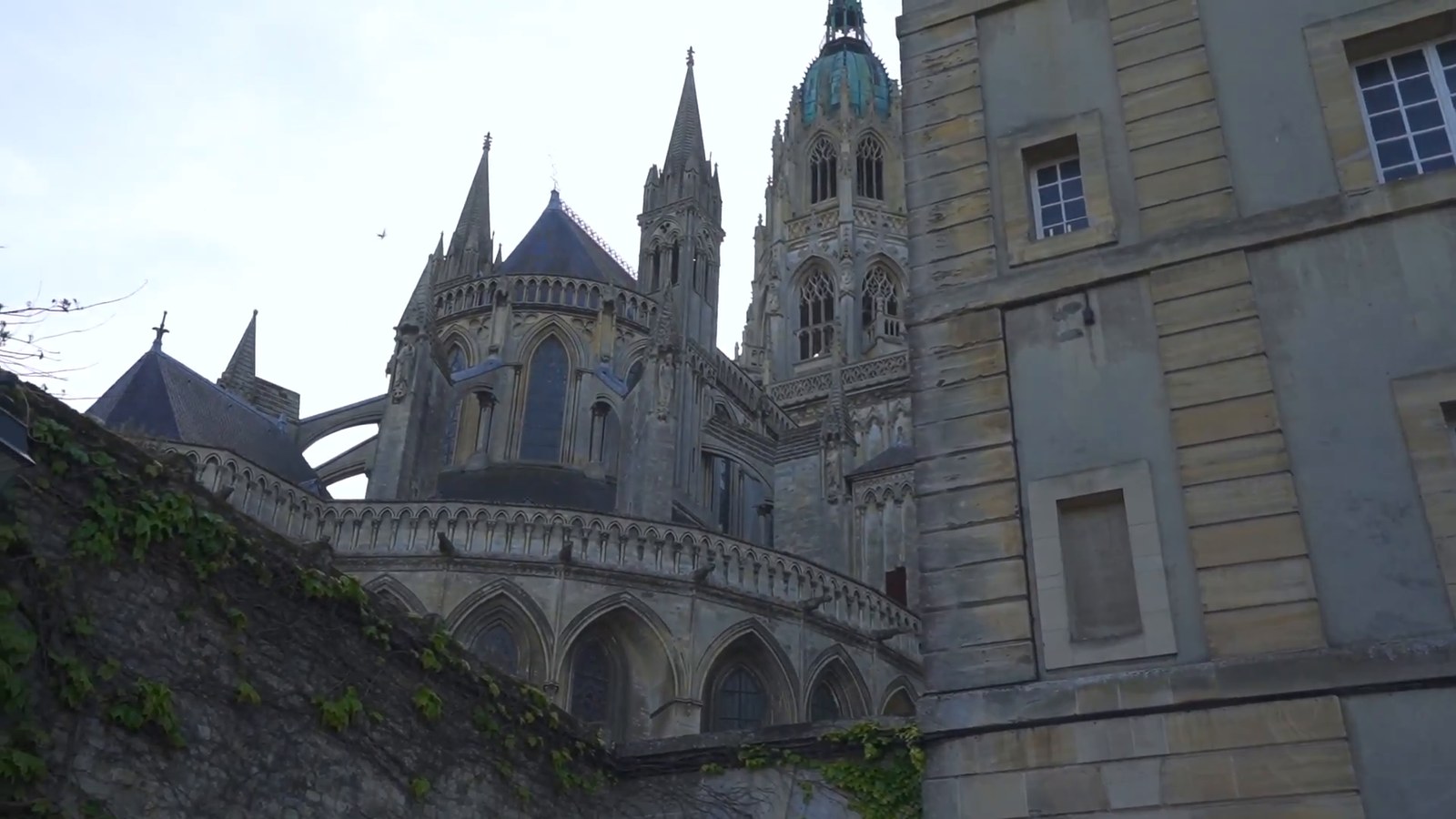
We went back to our room to rest and rehydrate before heading to Bayeux for dinner. We had done no research on Normandy’s towns because we were focused on the coastal WWII sites, so Bayeux was a happy surprise. We parked in front of its Gothic cathedral just as the bells rang, then followed a shared craving for burgers. One came with Camembert cheese. Bayeux wasn’t a carefully planned stop, but we wished we’d had longer there.
Day 3: Utah Beach, a cow-field bunker and Sainte-Mere-Eglise
On our second full day, we headed west to Utah Beach. There was a lot to see in a compact area: a museum, tanks, memorials, gun emplacements, bunkers and a landing craft. To us, it felt as though more relics and information were gathered here than at Omaha Beach. There are tons of monuments and museums here, and you could really go overboard. We had visited a museum the day before and figured the others would have similar exhibits, so we planned to see the sights themselves rather than more museums.
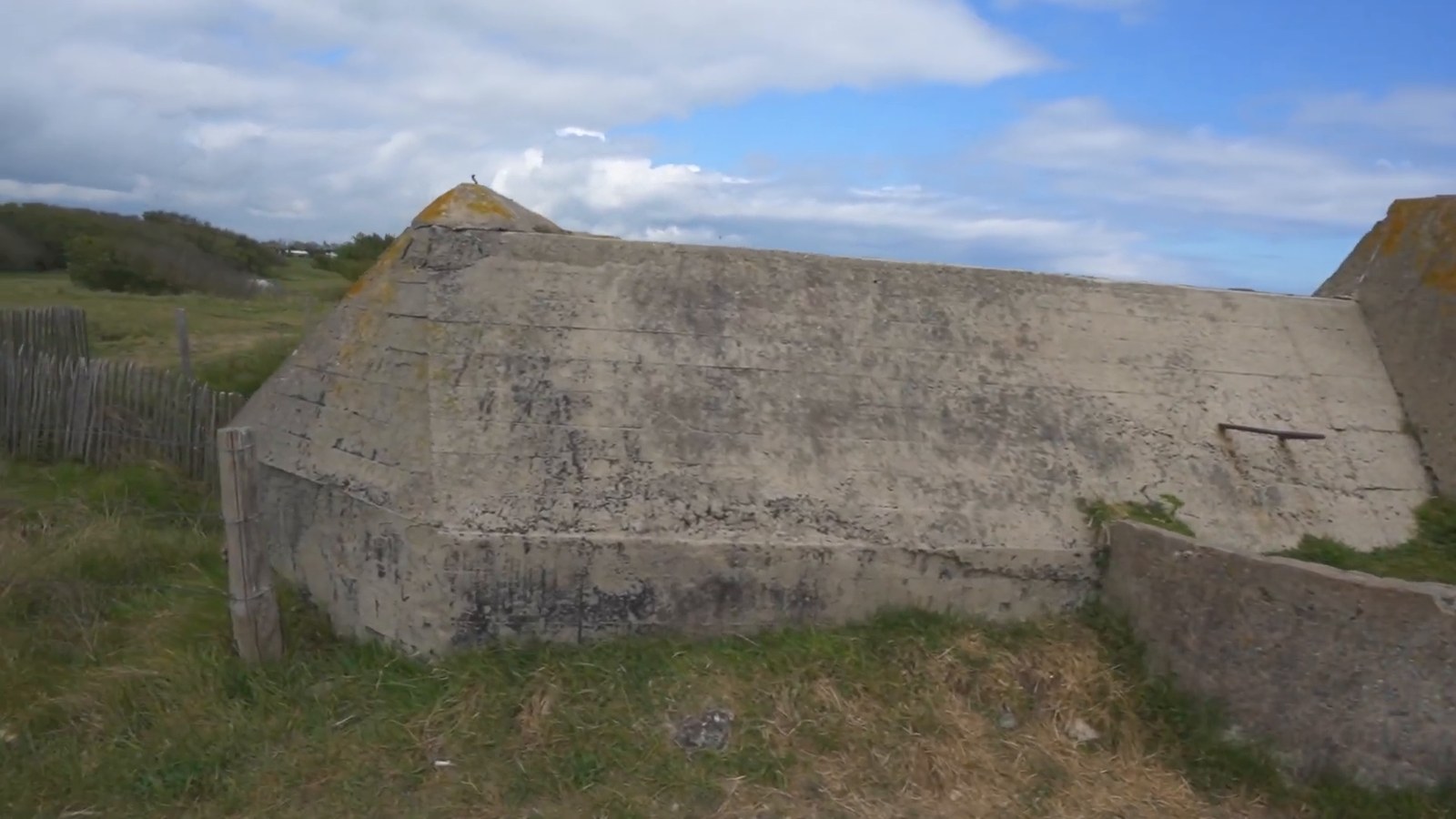
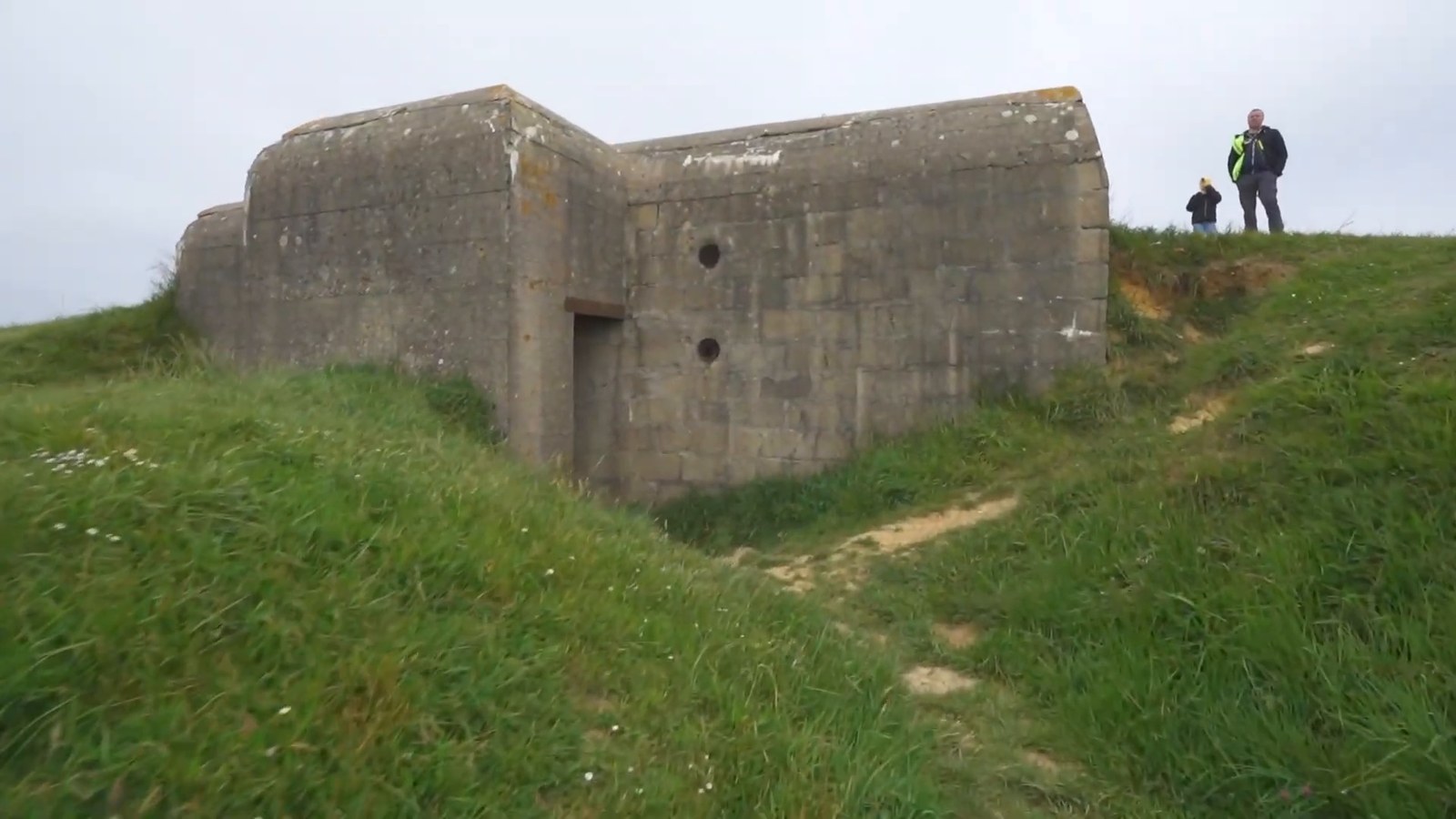
We made it about a quarter-mile down the road before spotting a bunker in a cow field and stopping again. There was water inside, so we couldn’t go all the way in, and no plaque to tell us about it. Normandy is littered with concrete bunkers along the coast, and many have no information about them.
In Sainte-Mere-Eglise, we saw the dummy paratrooper hanging from the church. It recalls a member of the 82nd Airborne who became caught there after winds blew paratroopers into the town rather than outside it.
Day 3, evening: Mont-Saint-Michel as a detour
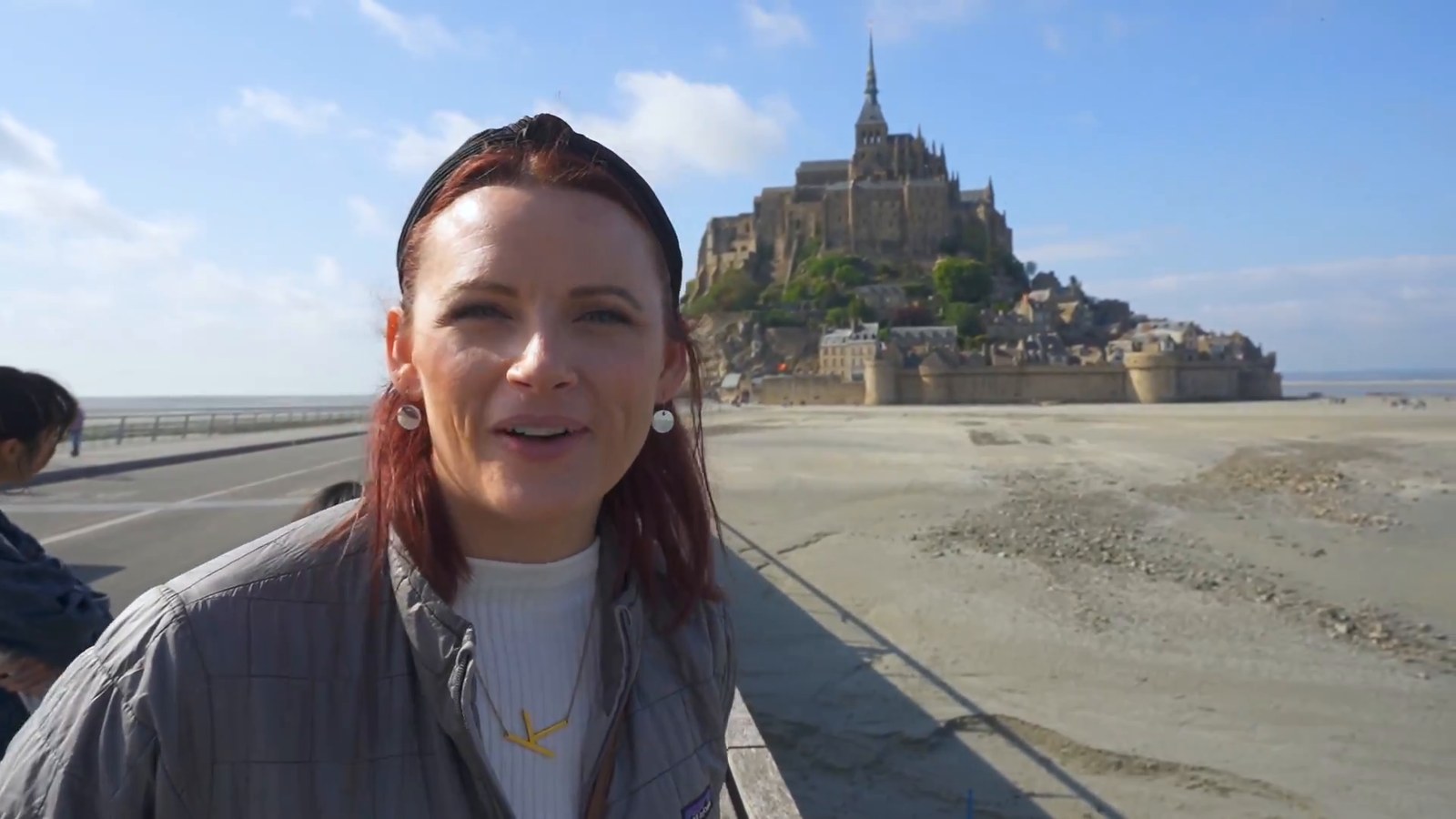
We estimated Mont-Saint-Michel was about an hour and a half from our base near Omaha Beach. Before we even reached the parking area, we stopped for a photo with sheep in the foreground and picked our way through their pasture, carefully avoiding what the sheep had left behind.
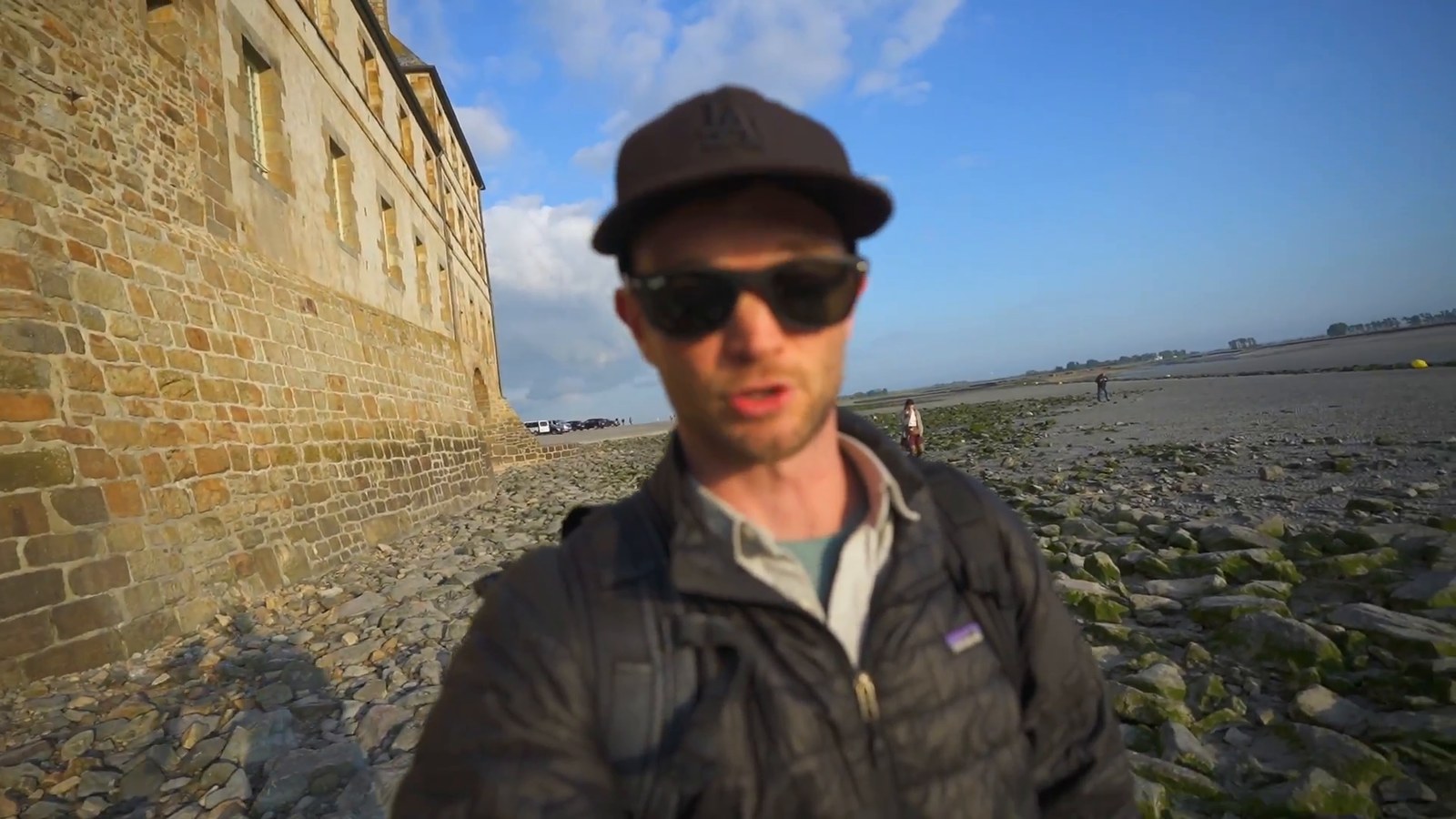
We reached the main parking area around 5 p.m. on a Saturday, when it was busy, and took the shuttle toward the island. The shuttle itself was free, though parking was not, and the official visitor site says it runs from 7:30 a.m. to midnight. From its drop-off, we still had a short walk. Mont-Saint-Michel looked almost unreal up close. We climbed the steep hill toward the abbey while Dad stayed below. The abbey closed at six that day, so we did not go inside, but it was still awesome.
The abbey’s official site lists seasonal hours: 9 a.m. to 7 p.m. from May through August and 9:30 a.m. to 6 p.m. from September through April, with last entry one hour before closing. We reached the parking area around 5 p.m. and the abbey closed at six that day, so we were too late to go in; if you want to see inside, plan to arrive earlier in the day. The village itself is freely accessible without a ticket.
We found a restaurant with panoramic views of the bay and had a galette with ham, cheese and egg on buckwheat, along with Norman-style chicken and pasta. Kevin’s dinner came with a dessert, and the apple tart was the pick. Later, with noticeably fewer people around, we walked along the outside of the walls and watched how much water had come in with the tide. We were back at the car at about 9 p.m., facing the drive to our room. It had been a long day, but seeing Mont-Saint-Michel was worth it to us.
Day 4: Three more stops on the drive back to Paris
On the fourth morning, we headed back toward Paris by way of a few more WWII sites. At Longues-sur-Mer, four gun positions stood near the road. We could walk through three of the bunkers; another had been destroyed, so we could not go inside. The guns are much larger than expected, and one is still intact. This whole trip was humbling.
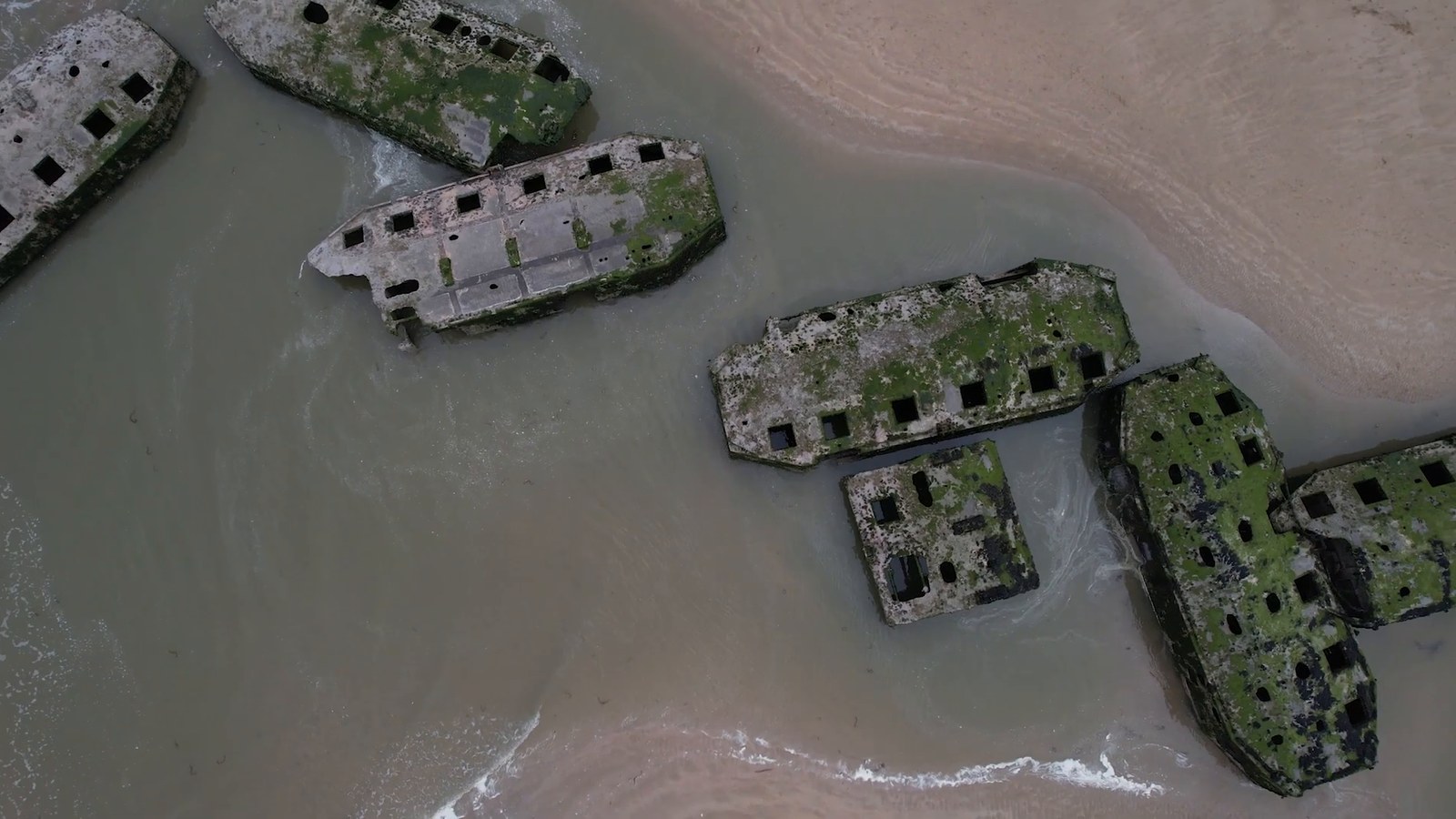
At Arromanches, near Gold Beach, we saw remnants of the Mulberry artificial harbors on the beach and out in the bay. These harbors helped move Allied troops and equipment during and after the landings. We stopped for lunch nearby, where two French women at the next table asked whether anyone in our family had served in the war. When they heard that Dad’s father had served in the Battle of the Bulge, they thanked us. It was very thoughtful and not quite what we expected.
Our last stop was Pegasus Bridge, the first place taken by Allied forces on D-Day, in the early hours of June 6. The memorial marks where the major who led the attack landed his glider, only about 100 feet from the riverbank. After that, traffic coming into Paris made the drive back take much longer than we’d expected. We reached our hotel with takeout and called it an early night.
So, should you add Mont-Saint-Michel?
Yes, if you’re based near the beaches, have a car and are comfortable making it a long evening. We got the village, dinner and time by the walls as the tide came in. We did not get inside the abbey. Arriving earlier—or planning a night nearer Mont-Saint-Michel—would give you a less rushed visit if that matters to you.
We also considered the idea of going from Paris: by our reckoning, a tour from Paris would mean about four hours of travel each way. Eight hours round trip seemed really far to us, and renting a car and spending a night nearby sounded like it would give you more time. From our Omaha-area base, the detour made more sense.
Before you go
Check current museum details with Memorial Museum Omaha Beach; the D-Day Overlord tourism site has other museum and route-planning resources. For cemetery visitor information and tour requests, use the American Battle Monuments Commission page. Before choosing your Mont-Saint-Michel day, check the abbey’s practical information page for current hours and last entry, and the Mont-Saint-Michel tourist office for tide times, shuttle and access.
This is our D-Day coast route and one evening at Mont-Saint-Michel, not a guide to every corner of Normandy. For this bucket-list trip, the car, the Omaha-area base and even that very long Saturday worked. We’d give Mont-Saint-Michel more time if seeing inside the abbey were the goal.
Image credits: the photo of Omaha Beach near the top is by Jebulon, released under CC0, via Wikimedia Commons (source). The featured image of Mont-Saint-Michel is by Eric Kilby, licensed CC BY-SA 4.0, via Wikimedia Commons (source). Neither was taken on our trip. The other photos are stills from our own videos of the trip.
