Best Redwoods in California: Top Spots to Visit for Majestic Trees
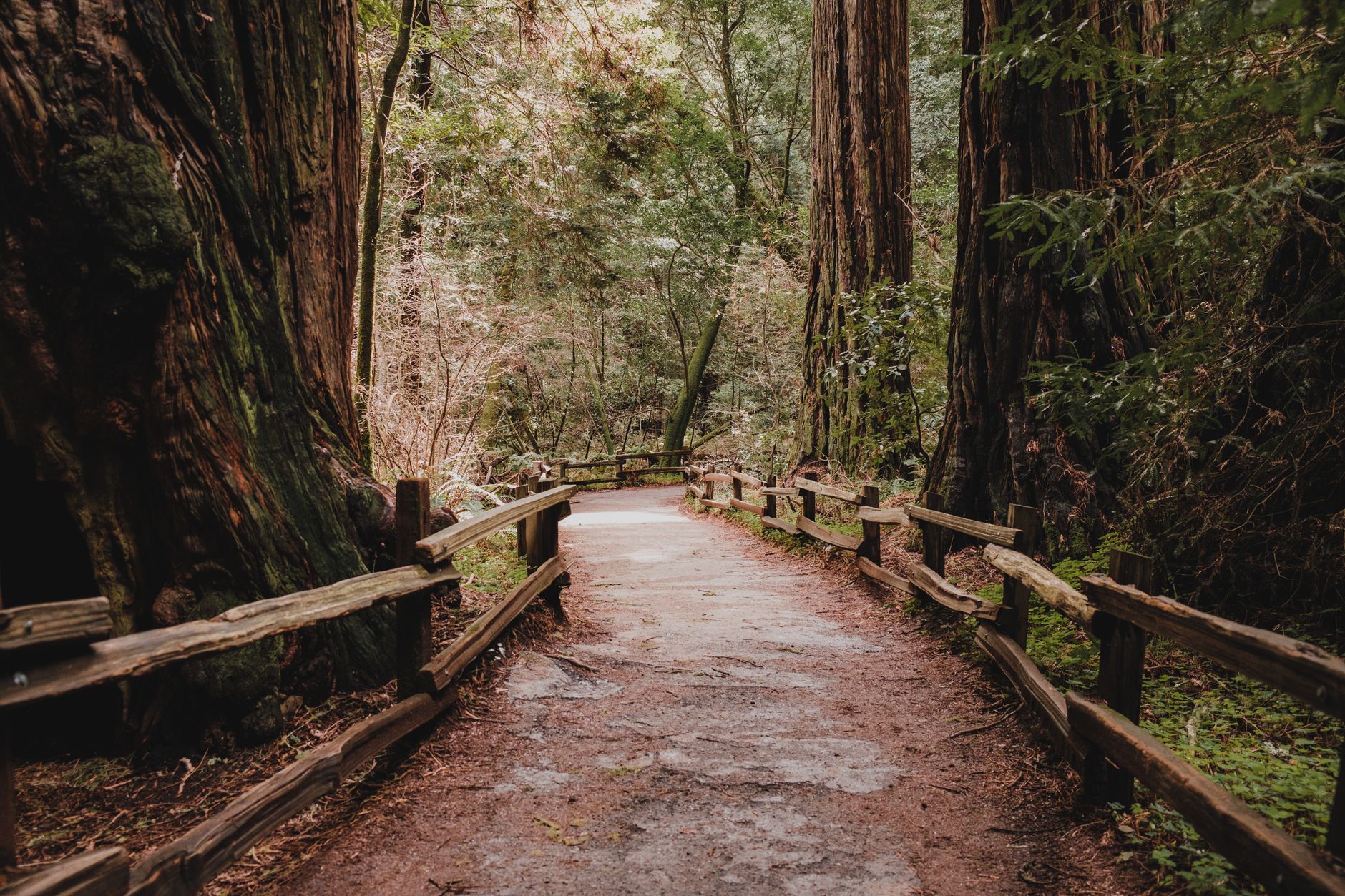
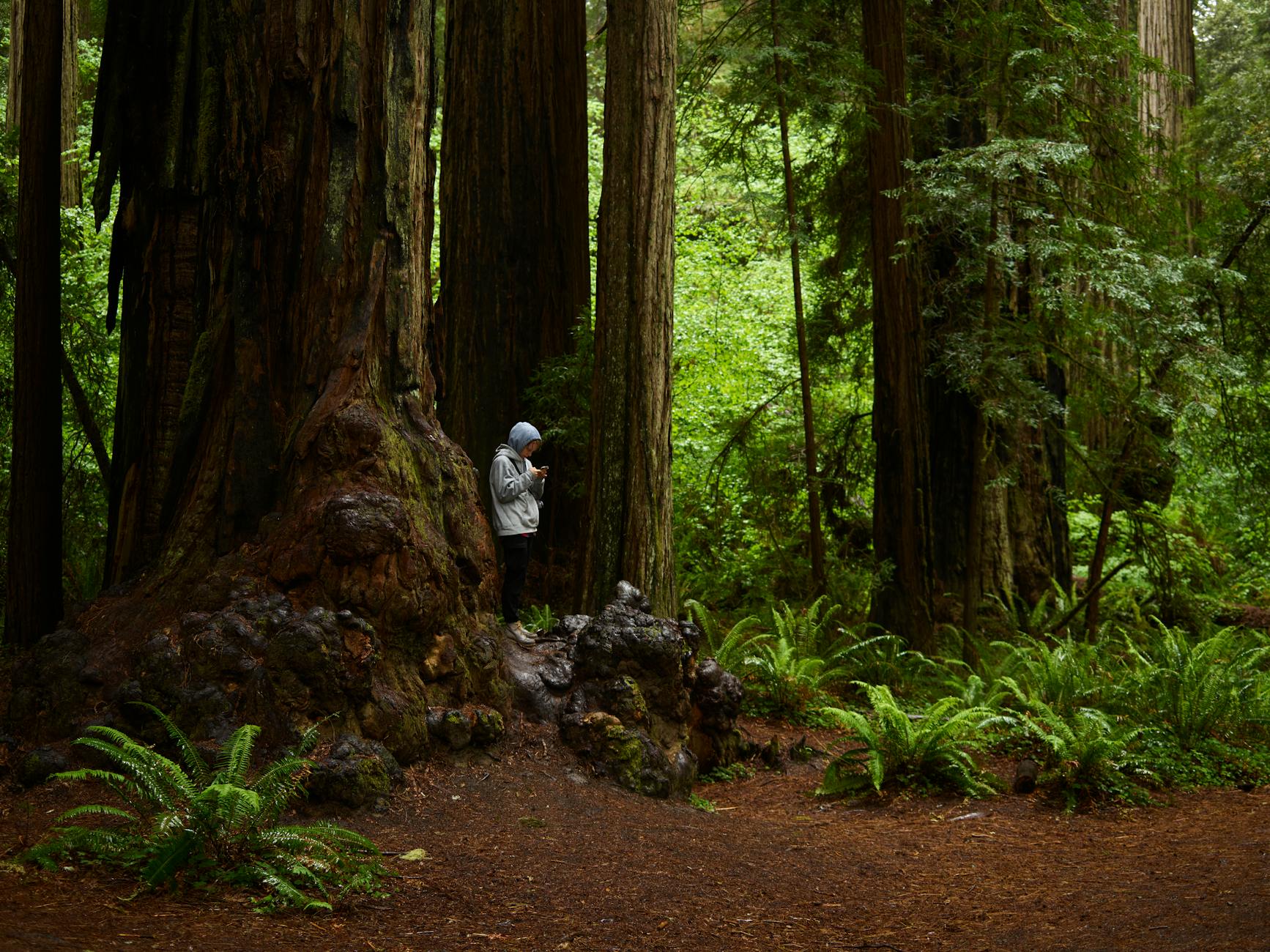
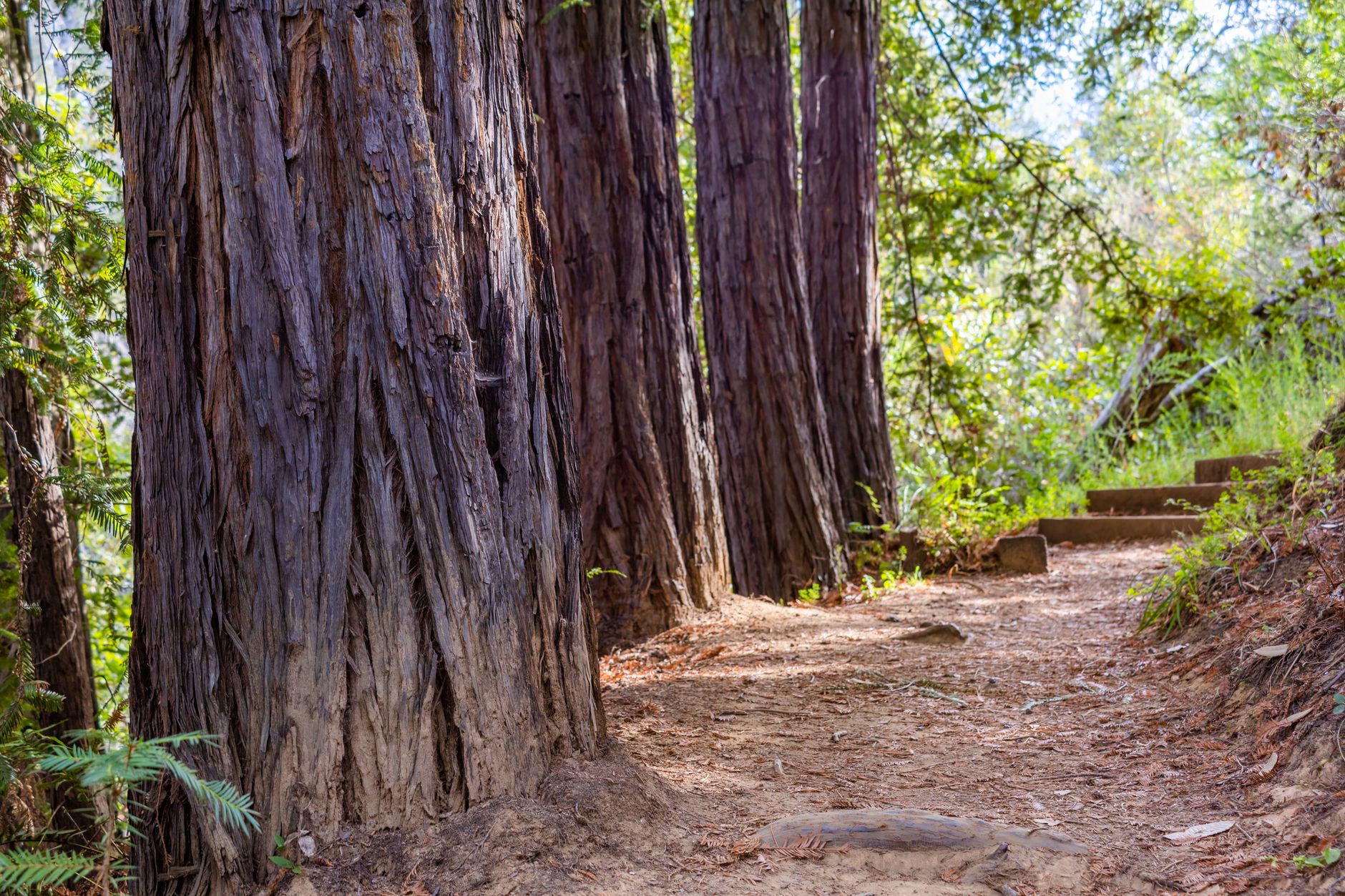
If you’re looking to stand among some of the tallest and oldest trees on Earth, California’s redwoods are the destination you can’t miss. The best places to see these giants combine stunning natural beauty with accessible trails and breathtaking coastal views.
From ancient groves tucked away in state parks to expansive national forests, these trees offer an unforgettable experience for any nature lover. What makes California redwoods truly special is their sheer size and age—some have stood tall for thousands of years.
Whether you’re after a peaceful hike, a scenic drive, or just a moment of awe beneath towering canopies, there’s a redwood spot that fits your vibe perfectly. I’ve gathered some of the top destinations to get you up close with these giants without having to guess where to go first.
Where to Stay
When planning your trip, I recommend checking availability in charming towns near the redwoods. You can view the best stays around places like Eureka, Crescent City, and Garberville.
From cozy lodges to well-appointed inns, these spots make great bases for exploring the forests.
Tours and Activities
To make the most of your visit, consider booking guided tours. Some must-do experiences include scenic hikes through old-growth trees, kayak tours near the coast, and photography outings focused on capturing the perfect redwood shot.
You can explore guided experiences ranging from easy walks to more adventurous treks that reveal hidden groves and local wildlife.
Top Old-Growth Redwood Parks and Reserves

If you want to see ancient redwoods, you’ll find them in places that protect vast groves of old-growth trees. Some parks offer towering giants and trails winding through dense forests, while others combine coastal beauty and wilderness.
There are also some lesser-known private reserves preserving rare, untouched redwoods.
National Parks with Ancient Groves
Redwood National and State Parks together protect nearly half of the world’s old-growth redwoods. Here, you can hike through primeval forests with trees soaring over 300 feet tall.
Prairie Creek Redwoods State Park is especially visitor-friendly, with accessible trails through fern-filled canyons and sandy beaches nearby. Jedediah Smith Redwoods State Park features some of the least disturbed groves and riverside hikes.
The diversity of trails ranges from easy loops to challenging climbs, so there’s something for all skill levels. You can learn more about exploring these parks at Redwood National and State Parks official site.
Best State Parks for Towering Trees
Big Basin Redwoods State Park is arguably the top state park for hiking among old-growth redwoods. Its trails cover various terrain—from creek paths to ridge-top viewpoints.
The park protects some of the oldest and tallest redwoods in California. Humboldt Redwoods State Park contains the world’s largest remaining contiguous old-growth redwood forest.
Other noteworthy parks include Mountain Home State Forest and Armstrong Redwoods State Natural Reserve, both offering peaceful walks beneath towering canopies. For a full list of hikes and park details, Redwood Hikes has comprehensive guides and maps.
Privately Protected Redwood Forests
While most famous redwood groves are in public parks, several private reserves protect significant redwood areas to ensure long-term conservation outside government lands. These forests often have limited public access but play a crucial role in preserving genetic diversity and forest health.
Nonprofits and trusts operate some of these reserves, focusing on habitat restoration and research. They help buffer the larger parks from development pressures.
Visiting is usually by special permit or through organized tours, which supports the conservation mission.
Must-See Redwood Hikes and Trails

The redwoods offer a variety of trails that cater to every kind of explorer. From epic coastal vistas to gentle strolls beneath towering giants, each path reveals a different side of these ancient forests.
Scenic Trails for Iconic Views
If you crave jaw-dropping scenes of endless tree canopies or wild Pacific coastline, the Coastal Trail is a must. Stretching along the edge of Redwood National and State Parks, it offers stretches that combine prairie, forest, and ocean views in one hike.
For a more forest-focused experience, the Tall Trees Trail takes you deep into old-growth redwoods, ending at a peaceful creek. Along these trails, keep an eye out for wildlife like Roosevelt elk, which often graze near the paths.
The combination of massive trees and scenic overlooks makes these hikes ideal for photographers or anyone wanting that classic redwoods experience. Since some areas like the Tall Trees Trail require a permit, plan ahead to secure your spot.
Accessible Walks Among Giants
If you’re looking for easy walks that still put you right under those towering redwoods, the Lady Bird Johnson Grove Trail is perfect. It’s a 1.5-mile loop with mostly level ground, making it accessible without compromising on grandeur.
The trail features interpretive signs explaining the ecology and history, which makes it great for families or casual visitors. Another gentle option is the Big Tree Trail in Prairie Creek Redwoods State Park; it’s less than a mile and takes you past one of the park’s largest redwoods.
These accessible walks let you soak in the scale and still have time for other park adventures. Comfortable shoes and a camera are all you really need.
Hidden Gems Off the Beaten Path
For those who prefer solitude or a little adventure, the Boy Scout Tree Trail is a worthy challenge. It’s more rugged and less trafficked, offering a true sense of wilderness.
The trail climbs steadily, rewarding hikers with panoramic views from the upper ridge and an impressive redwood grove along the way. Fox Creek Loop is another less-known trail where you can experience lush mossy forests and ancient trees away from crowded spots.
These hidden gems provide a quiet, personal connection to the forest that you won’t get on the main trails.
Where to Stay

I recommend checking out the best places to stay near Redwood National and State Parks before your trip. Consider Elk Meadow Lodge for cozy cabins in a forest setting or Redwood Suites if you prefer a more modern vibe close to the park entrance.
For a rustic, close-to-nature experience, Tree Walk Inn offers cabin rooms surrounded by old-growth redwoods. You can [view the best stays](https://tp.media/r?marker=370066&trs=176209&p=2076&u=https%3A%2F%2Fwww.booking.com%2Fsearchresults.html%3Fss%3Dredwoods california&campaign_id=84) in the area to find what fits your style and budget.
Tours and Activities

To get the most out of your redwood adventure, guided tours can really elevate the experience. A popular choice is the Redwoods and Elk Wildlife Tour, where you get expert commentary and a good chance to spot wildlife.
You might also want to try the Coastal Kayaking and Redwoods Tour to combine forest exploring with ocean paddling. For a more intimate experience, the Sunset Photography Tour captures the forest in golden light and teaches you how to snap stunning photos.
Feel free to [book this tour](https://www.getyourguide.com/s/?q=redwoods california&partner_id=M927JI7) to dive into these unforgettable experiences with professionals guiding your way.
Unique Redwood Experiences

Exploring California’s redwoods offers more than just walking among towering trees. You can join informative guided tours, bring the family to attractions designed for all ages, or immerse yourself in the local wildlife and natural scenery.
Each option provides a different way to connect deeply with these ancient giants.
Guided Tours and Interpretive Centers
I’ve found that guided tours are the best way to learn the stories behind the redwoods. Expert naturalists explain the ecology, history, and cultural significance of the forest, making every walk much richer.
Many parks feature interpretive centers with hands-on exhibits that bring the ancient ecosystem to life—some even show you how to spot tree rings or identify plant species. Popular tours often include special access to hidden groves or suspension bridges crossing deep forest canopies, like at the Redwood Canopy Trail.
These experiences reveal perspectives you won’t get on your own. If you want structure and insight on your trip, guided tours are a must.
Family-Friendly Attractions
Taking the kids to see redwoods? You don’t have to worry about boredom or overwhelming hikes. Several locations offer gentle, accessible trails suitable for strollers and young walkers.
The Trees of Mystery park, for example, combines the impressive canopy trail with a charming Native American storytelling museum, and even a sky trail ride for a fun aerial view. Look for places with educational programs, nature scavenger hunts, and interactive exhibits.
Many sites also have picnic areas and playgrounds nearby to keep younger visitors happy. This makes your redwood trip enjoyable for everyone, regardless of age or stamina.
Wildlife and Nature Observation
One of my favorite parts of visiting California’s redwoods is spotting the local wildlife. The dense forests shelter Roosevelt elk, black-tailed deer, and a variety of birds like spotted owls and Steller’s jays.
Early morning or dusk are the best times for wildlife viewing, often along quieter trails or near rivers. If you love photography or just want to experience the forest’s quieter moments, spending time observing nature is rewarding.
Some guided tours specialize in birdwatching or tracking mammals. Just remember to keep a respectful distance—these animals are wild, not stage props.
When you’re ready to find a place to rest after your redwood adventures, you can view the best stays. I recommend checking out the cozy Elk Meadow Cabins near Prairie Creek Redwoods, the elegant Humboldt Redwoods Lodge, or the family-friendly Redwood Suites in Eureka.
For immersing yourself deeper, you can book this tour like a guided hike through Redwood National Park, a canopy tour with suspension bridge crossings, or a wildlife spotting trip focused on the elusive Roosevelt elk.
Seasonal Tips for Redwood Visits

Visiting the California redwoods means tuning your plans to the seasons. Timing affects everything—crowds, weather, trail conditions, and even wildlife sightings.
Knowing what each part of the year offers can turn a good trip into a great one.
Best Times of Year to Explore
Spring and early summer are prime for exploring the redwoods. Temperatures range from the low 50s to high 70s °F, and the trails are usually less muddy than in winter.
The landscape is lush from winter rains, and you might catch the elk rutting season in late fall or winter if you’re into wildlife. Summer sees bigger crowds but also the best weather for long hikes and camping.
Fall offers a quieter experience with cooler temperatures, while winter brings rain and fog that can limit visibility but add an atmospheric twist to the forest. If you don’t mind wet trails and sometimes unpredictable conditions, winter can be peaceful and quite beautiful.
Weather and Planning Considerations
The redwood ecosystem is a temperate rainforest, so moisture defines the experience. Rain and fog are frequent from late fall through early spring.
Packing layers is essential because mornings can be chilly, while afternoons warm up. Waterproof boots and jackets keep you comfortable on wet trails.
Trail conditions vary significantly with the weather. Winter hikes may mean slippery paths and occasional closures, so check trail updates.
Fog can impact visibility any time of year but is most common in summer mornings. Since the coastal climate remains relatively stable, sudden temperature drops are rare but be ready for cool, damp air.
For fewer crowds and manageable weather, aim for late spring or early fall. These shoulder seasons balance good trail conditions with plenty of daylight.
Best Time to Visit Redwood National Park — A Season by Season Guide
Where to Stay
I’ve found some stellar places that really complement the redwood experience. For a comfy base, you can view the best stays near Redwood National Park with options ranging from cozy cabins to charming inns.
- Elk Meadow Cabins offers rustic charm right at the forest’s edge.
- Redwood Coast Motel in Crescent City is budget-friendly and close to the park entrance.
Looking for a bit more luxury? The Historic Requa Inn provides a cozy atmosphere with stunning river views.
Tours and Activities
If you want to level up your visit, guided tours are a solid bet. I personally recommend a few that highlight the best of the redwoods:
- Canopy Walk and Hiking Tour – experience the forest from above on suspension bridges.
- Elk Watching Evening Safari – catch the seasonal elk rut with an expert guide.
- Kayaking on the Smith River – see the redwoods from the water and enjoy some peaceful paddling.
You can easily book this tour to lock in your spot and get the insider access you want.
Photography and Scenic Drives
If you’re anything like me, finding the perfect shot of those towering redwoods is a bit of an obsession. The diffuse forest light and the mammoth, moss-covered trunks offer countless photo opportunities.
Early mornings or late afternoons work best, as the soft light adds depth and mood without harsh shadows. Scenic drives are a fantastic way to soak in the vistas without breaking a sweat.
One slower, more tranquil option winds through Humboldt Redwoods State Park, giving you plenty of chances to pull over and immerse yourself in nature’s grandeur. These drives often feel like a secret between you and the forest giants.
Here’s what I keep in mind for a scenic-drive checklist:
| Feature | Why It’s Great |
|---|---|
| Winding coastal roads | Dramatic ocean views & cool breeze |
| Towering old-growth trees | Epic photo backdrops |
| Multiple pull-off spots | Stretch breaks and quick hikes |
For anyone who loves to combine driving with photography, this is a perfect combo. You get the changing perspectives from the car and then can hop out to frame the perfect shot.
If you want detailed suggestions on routes, don’t miss this guide to scenic drives in Redwood National and State Parks. It highlights roads that zigzag through giant trees and coastlines alike.
Camping and Overnight Stays
Spending the night among California’s towering redwoods offers a unique experience, whether you prefer traditional campsites or cozy lodges nearby. The area provides a good mix of developed campgrounds, rustic backcountry sites, and comfortable lodging options.
Campgrounds in Redwood Forests
Redwood National and State Parks have several campgrounds catering to different preferences. Popular spots like Elk Prairie and Jedidiah Smith offer tent sites, RV hookups, and even cabins for those who don’t want to sleep on the ground.
Amenities vary but usually include restrooms, picnic tables, and fire rings. If you prefer solitude, the Flint Ridge Backcountry Site provides primitive, free camping accessible only by trail, perfect for those seeking peace in nature away from crowds.
Reservations for most campgrounds are made through ReserveCalifornia, so plan ahead, especially in peak seasons. For detailed info on camping options, check camping in Redwood National and State Parks.
Lodging Nearby
If roughing it isn’t your thing, there are plenty of lodging options close to the redwoods. Crescent City features places like Ramblin’ Redwoods Campground, which offers cabins alongside RV and tent sites, blending comfort with immersion in nature.
For a touch more luxury or convenience, you can find hotels and lodges in nearby towns. I recommend checking availability on a well-curated platform to compare options easily.
You can view the best stays and find accommodations ranging from budget-friendly inns to high-end lodges.
Conservation Efforts and Redwood Preservation
The redwoods of California are not just giant trees; they’re living carbon sinks. They absorb vast amounts of CO2, helping to slow climate change.
Several organizations are hard at work to keep these forests thriving. The Save the Redwoods League, for example, leads initiatives to expand protected areas and restore logged forests.
Their ambitious restoration project, Redwoods Rising, covers over 120,000 acres within Redwood National and State Parks. This public-private collaboration has already restored thousands of acres of young forest, aiming to grow them into towering old-growth someday.
Beyond preserving the trees themselves, these efforts focus on biodiversity and watershed protection. Healthy redwood forests support countless species and maintain clean water supplies.
Community involvement and education play a big role too, with groups like the Redwood Parks Conservancy engaging visitors and locals alike to ensure the forests’ future is secure.
Key conservation efforts include:
- Large-scale restoration projects like Redwoods Rising
- Expansion of protected land by conservation leagues
- Reforestation of logged areas to enhance climate resilience
- Public education campaigns promoting sustainable visitation
If you want to learn more or support these efforts directly, websites like the Save the Redwoods League and the Redwood Parks Conservancy offer plenty of opportunities.
Where to Stay
I found several great places to lay your head near the best redwoods in California. If you want rustic charm, check out the Mill Creek Inn.
For something more contemporary, the Richardson Grove Cabins are perfect. And if you want to splurge a little, try the Northwoods Lodge.
You can always view the best stays to see what fits your style and budget.
Tours and Activities
To get up close and personal with these giants, I recommend booking some tours. The Redwood National Park Hike & Wildlife Tour offers a deep dive into old-growth areas.
If you like biking, the Redwoods Coastal Bike Adventure combines exercise with jaw-dropping views. For something slower paced but equally stunning, the Redwoods Canopy Walk is unforgettable.
You can easily explore guided experiences and find the perfect tour for your trip.
Cultural History and Indigenous Heritage
Redwood forests are not just giant trees; they are living symbols deeply woven into the cultural fabric of Indigenous peoples along the California coast. Tribes like the Yurok, Tolowa, and Karuk have relied on these majestic trees for thousands of years.
The redwoods are sacred, featured in creation stories and traditional ceremonies. For many Indigenous communities, redwoods are living beings.
Fallen trees are carefully shaped into homes, canoes, and sweat lodges. The Yurok, for example, craft family homes and sweathouses from redwood boards, a practice that connects them physically and spiritually to the forest.
The cultural significance goes beyond utility. These forests have been central to the identity and spiritual life of local tribes, inspiring ongoing stewardship and care.
This connection was recognized internationally when Redwood National and State Parks became a World Heritage Site in 1980.
| Key Indigenous Uses of Redwood Trees |
|---|
| Building traditional homes |
| Crafting canoes and tools |
| Holding spiritual ceremonies |
Recently, Indigenous groups declared an Indigenous Marine Stewardship Area to protect not only the forests but also coastal waters. This highlights a living cultural commitment to preserving the ecosystem.
You can learn more about the cultural roots and ongoing Indigenous practices at Redwood National and State Parks’ history and culture page.
When it comes to where to stay, there are plenty of cozy spots to rest after wandering among these ancient giants. For a classic woodland vibe, try the charming lodges near Redwood National Park.
Alternatively, you could camp under the stars or opt for a quaint bed and breakfast nestled within the forest edges. You can view the best stays nearby and find what suits your style.
For tours and activities, don’t miss out on guided hikes that dive deep into the forest’s history and diverse ecology. There are also kayak excursions along the scenic rivers threading through the park, plus photography tours focusing on those dreamy, moss-covered giants.
You can book this tour and make sure you don’t miss the best of what the redwoods have to offer.
Visitor Information and Travel Tips
Visiting the redwoods in California means preparing for variable weather. Mornings can be foggy and chilly, even in summer, so layering is key.
Bring a rain jacket just in case—those ancient trees like to keep things fresh with a sprinkle now and then. Wildlife is everywhere, from banana slugs to elk, so keep your distance and carry bear spray if you’re hiking deep into the parks.
Trail conditions can change quickly, especially after rain, so check for updates before heading out. Redwood National and State Parks stretch over a vast area from Humboldt to Del Norte County, so plan your route accordingly.
Parking fills up fast during peak season, especially near popular trails like Lady Bird Johnson Grove and Fern Canyon. Arrive early or late in the day to avoid the busiest times.
For accommodations, you’ll find a mix of cozy lodges, rustic cabins, and campgrounds. If you want to skip the tent life, check availability for places like the Historic Requa Inn near the coast or the Redwood Sky Walk Lodge with forest views.
The Avenue of the Giants Lodging is also a charming option. You can view the best stays around the area and pick the one that fits your vibe.
When it comes to tours and activities, options abound. You might want to hike with a guide who knows the redwoods’ secrets or explore scenic drives on the “Avenue of the Giants.”
Take a kayaking tour on the Smith River. There are plenty of wildlife and photography tours too.
Book this tour to make the most of your visit.
✈️ Plan Your California Redwoods Trip
- Flights: Compare cheap flights on Kayak — search hundreds of airlines in seconds.
- Travel Insurance: SafetyWing Nomad Insurance — starting from just $56.28/month for comprehensive travel medical coverage.
Frequently Asked Questions About California Redwoods
Where are the best redwoods to visit in California?
The top spots include Redwood National and State Parks in Northern California, Muir Woods near San Francisco, and the Avenue of the Giants in Humboldt County. Each offers a distinct experience, from misty coastal groves to towering inland forests.
Do I need a reservation to visit California redwood parks?
Muir Woods National Monument requires advance reservations for parking and entry, especially on weekends. Redwood National and State Parks are more open but specific campgrounds book quickly in summer—plan ahead for the best experience.
Can I hike among the redwoods year-round?
Yes! Most redwood trails are accessible year-round, though winter rains can make some paths muddy. Spring and early summer offer lush green scenery, while fall features quieter crowds and beautiful golden light through the canopy.